GalkadawalaGalkadawala (rock spillway) takes its name from the village tank
(manmade lake), which forms part of Sri Lanka’s ancient cascade irrigation system. A long, naturally formed
expanse of rock serves as its spillway, allowing excess water to flow safely over it – a beautiful example
of how Sri Lanka’s ancient tank builders worked with the natural contours of the land. … the forest that returned
Galkadawala is a restored forest in the heart of Sri Lanka’s Cultural Triangle, inviting travellers to experience the landscape that silently nurtured the island’s ancient civilisation.
Most journeys through the Cultural Triangle revolve around its iconic heritage sites. These remarkable monuments reveal the grandeur of an extraordinary past.
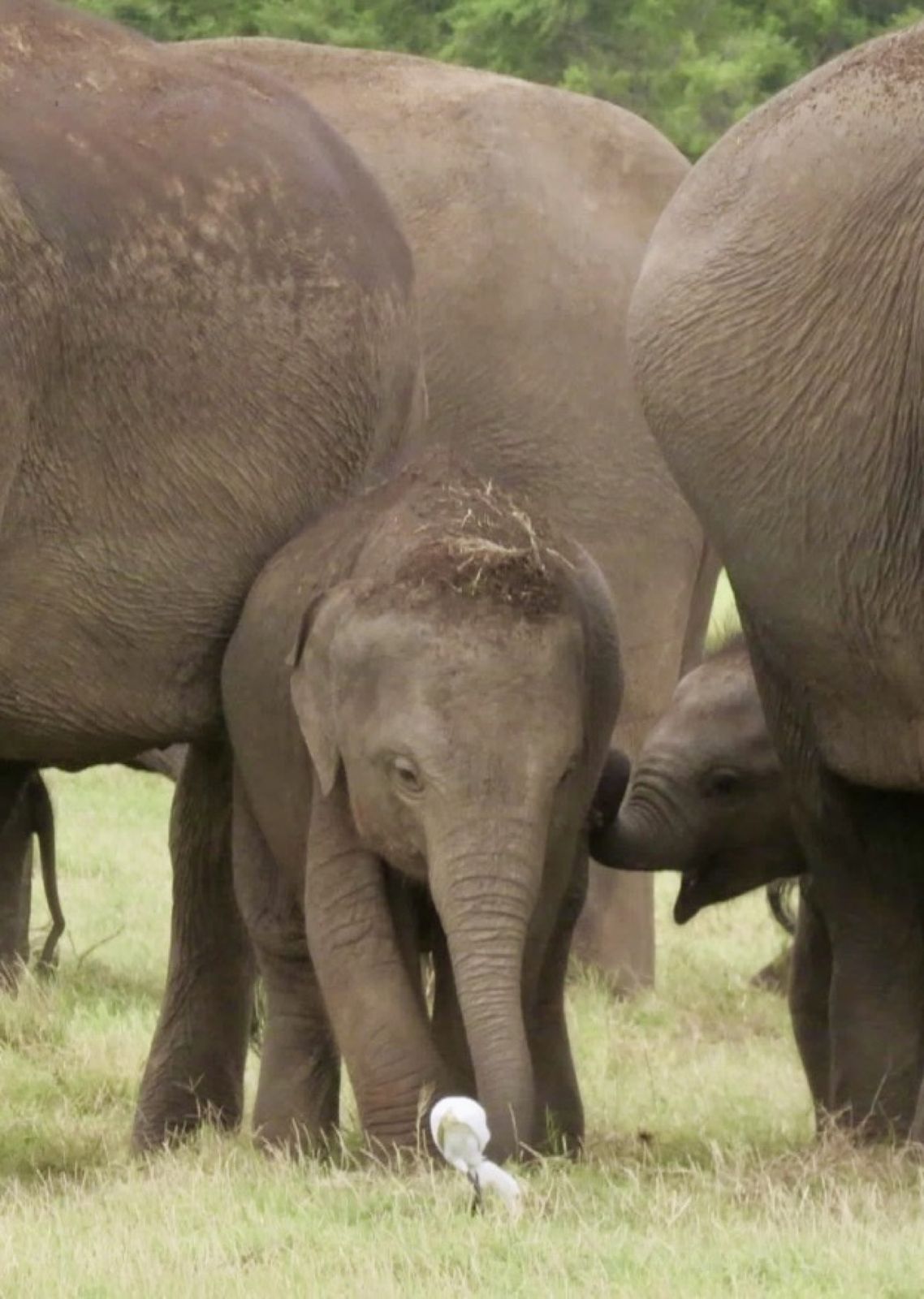
At Galkadawala, we invite you to experience the living ecosystem that nurtured that civilisation – where ancient reservoirs still nourish the land, elephants continue to follow age-old pathways, and the timeless relationship between water, forest and people continues to shape daily life.
Here, life unfolds at a quieter, gentler pace – one best experienced rather than simply visited.
This is the spirit of Galkadawala.
05:52 · Galkadawala village lake · Habarana, Sri Lanka
Where the day begins as the forest awakens
06:20 — the forest awakens
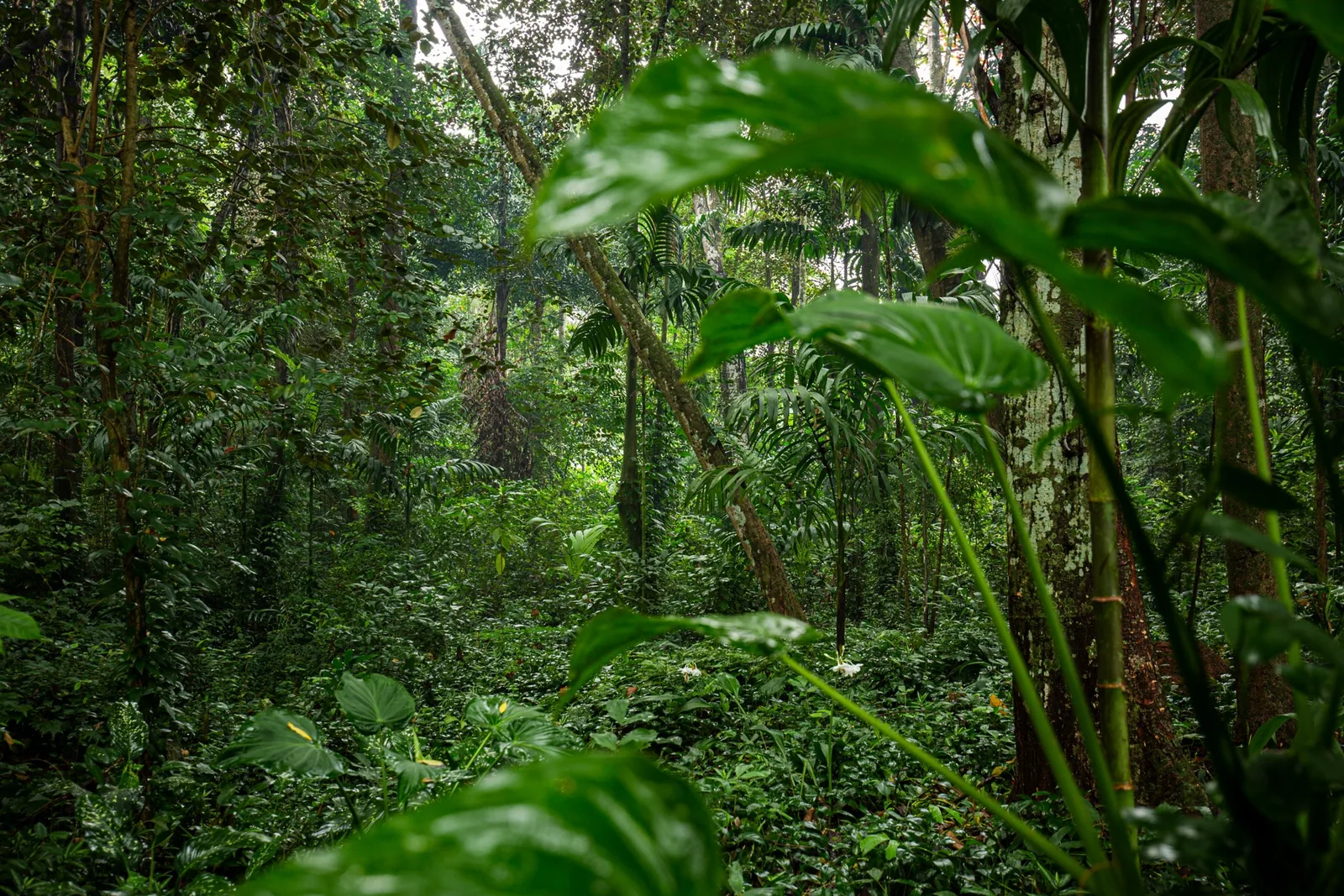
On land once degraded by slash-and-burn agriculture, nature was given the chance to recover. By nurturing the naturally sprouting saplings and planting about 800 native trees, the forest gradually returned.
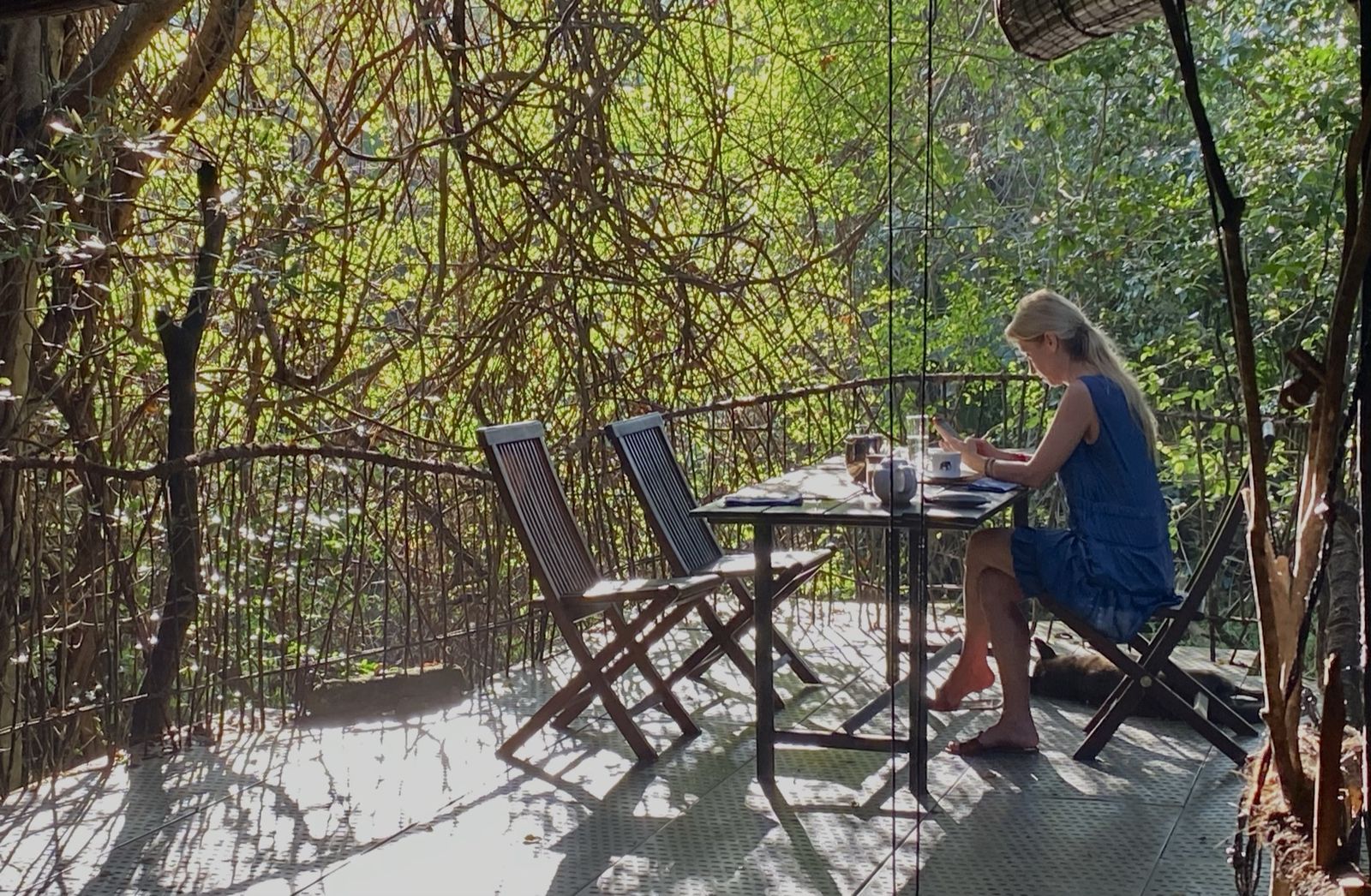
Today, the day begins beneath the canopy of a young Dry Zone forest, where birdsong welcomes the dawn and butterflies drift quietly through the trees.
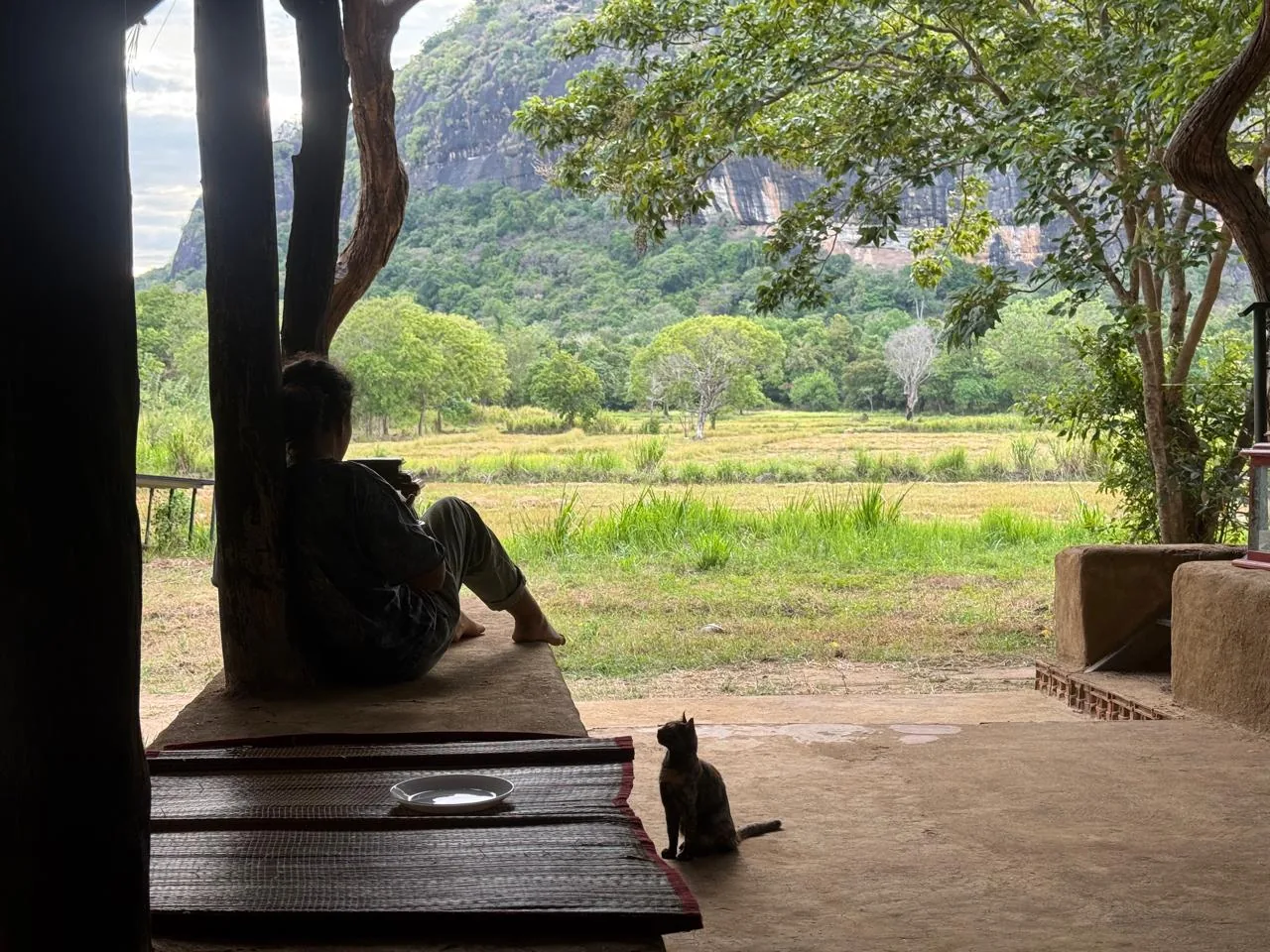
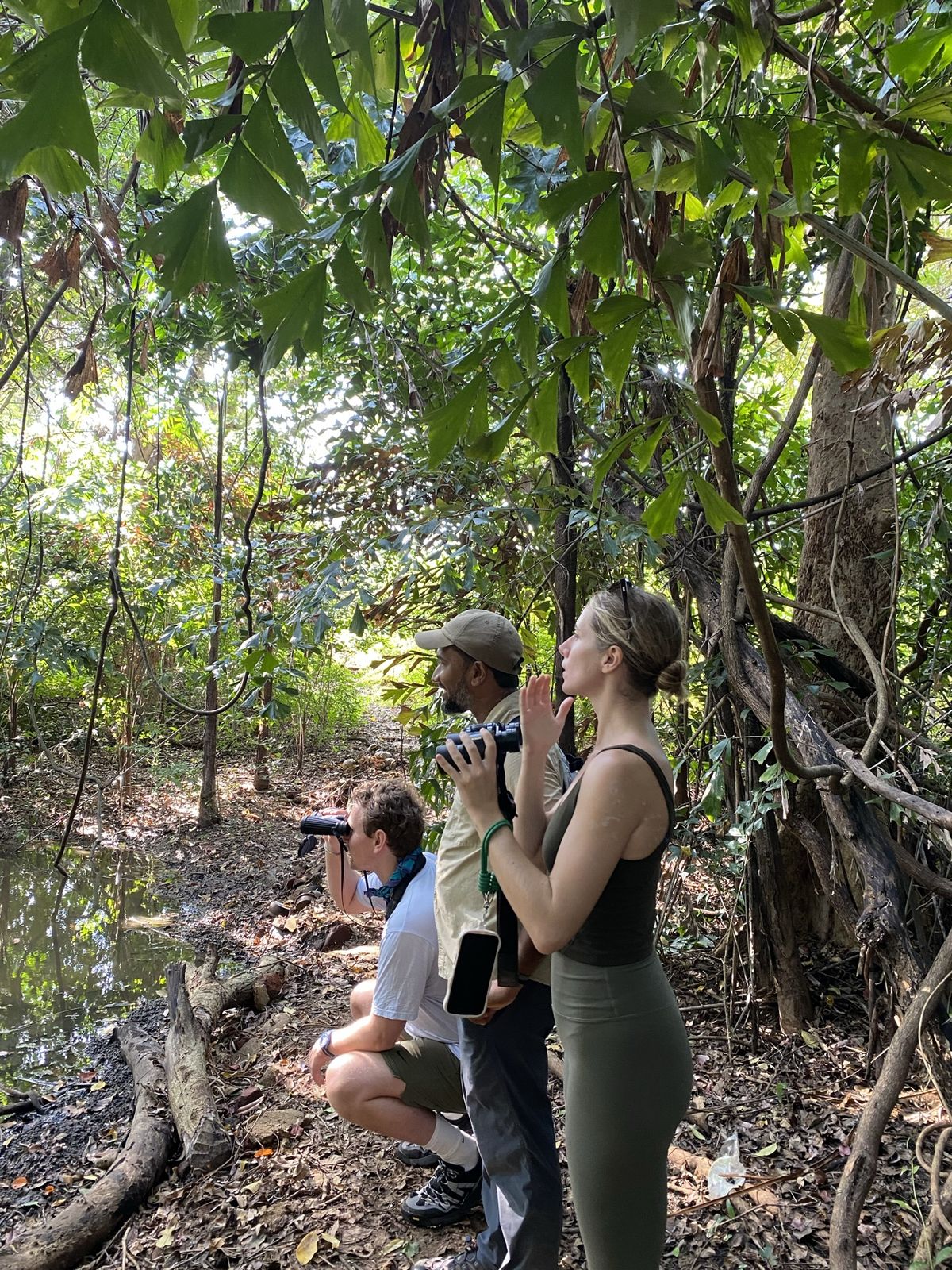
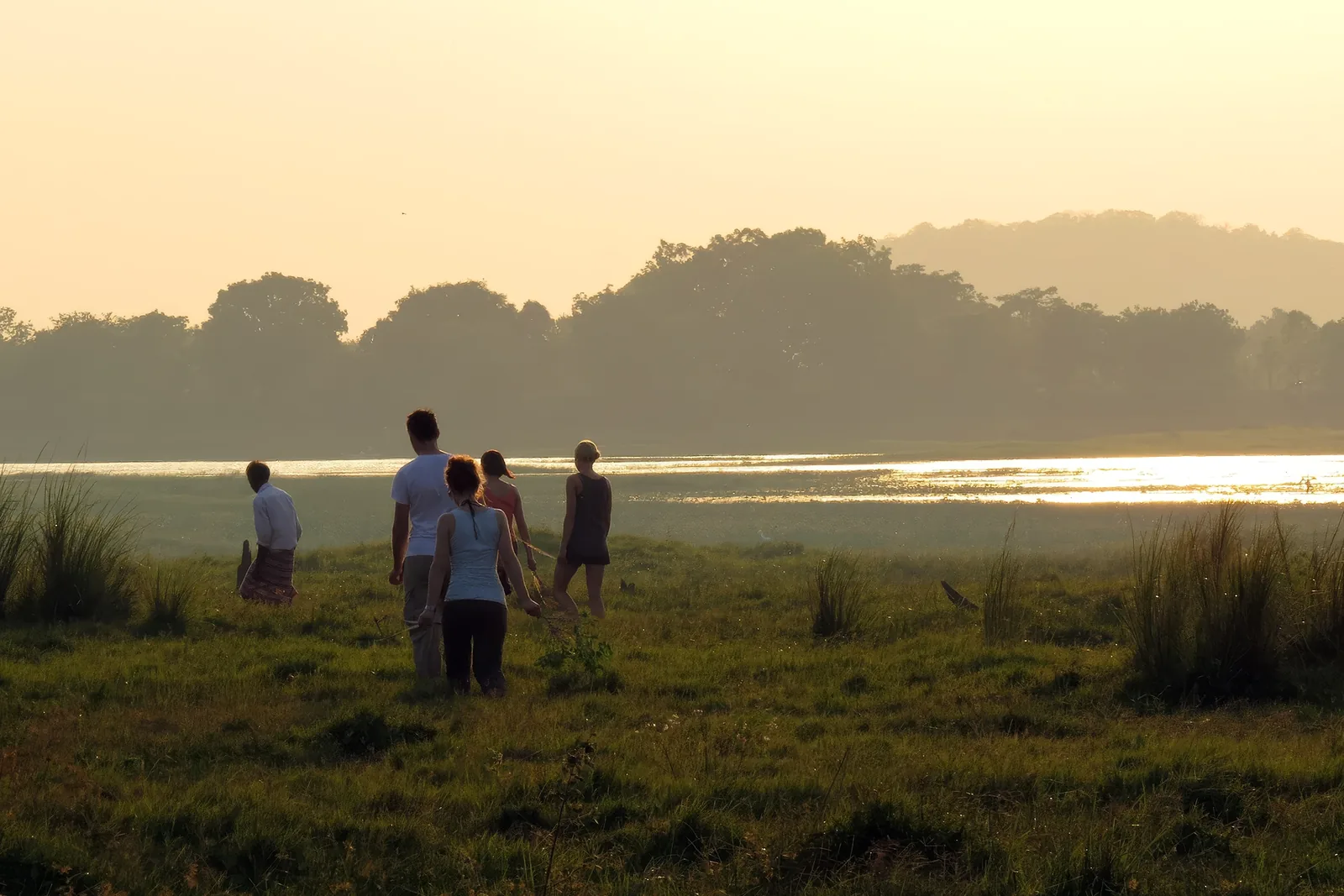
There is no fixed programme. You may kayak across the village lake, explore the surrounding footpaths, watch birds and wildlife, sketch, photograph, read beneath the trees, or simply sit quietly as the forest reveals itself.
Galkadawala offers the space to slow down, breathe deeply, and reconnect with nature.
thentoday
↔
11:00 — a home in the trees
A Home in the Forest
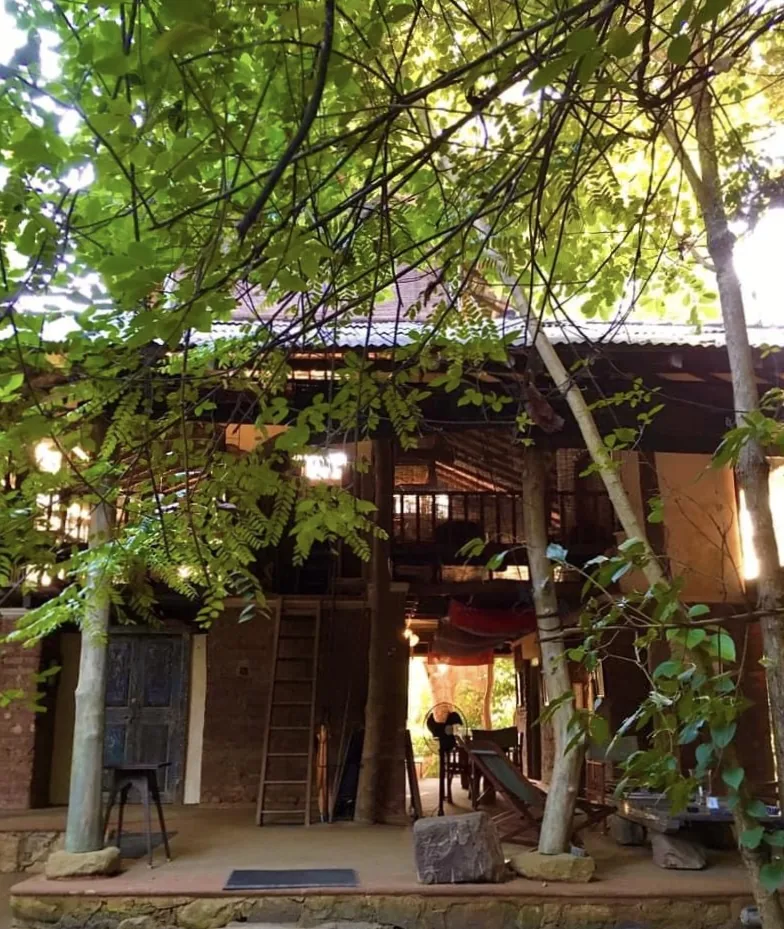
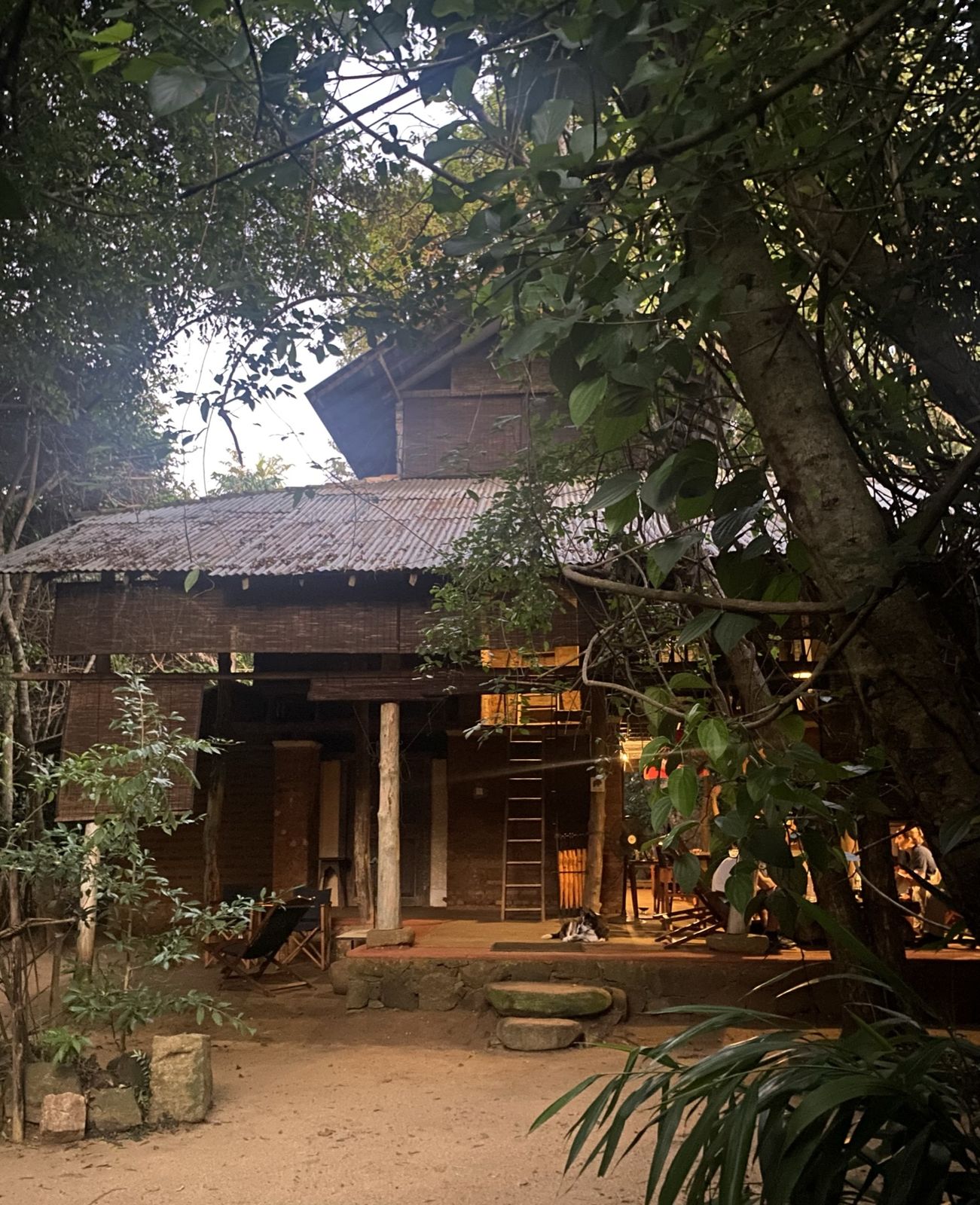
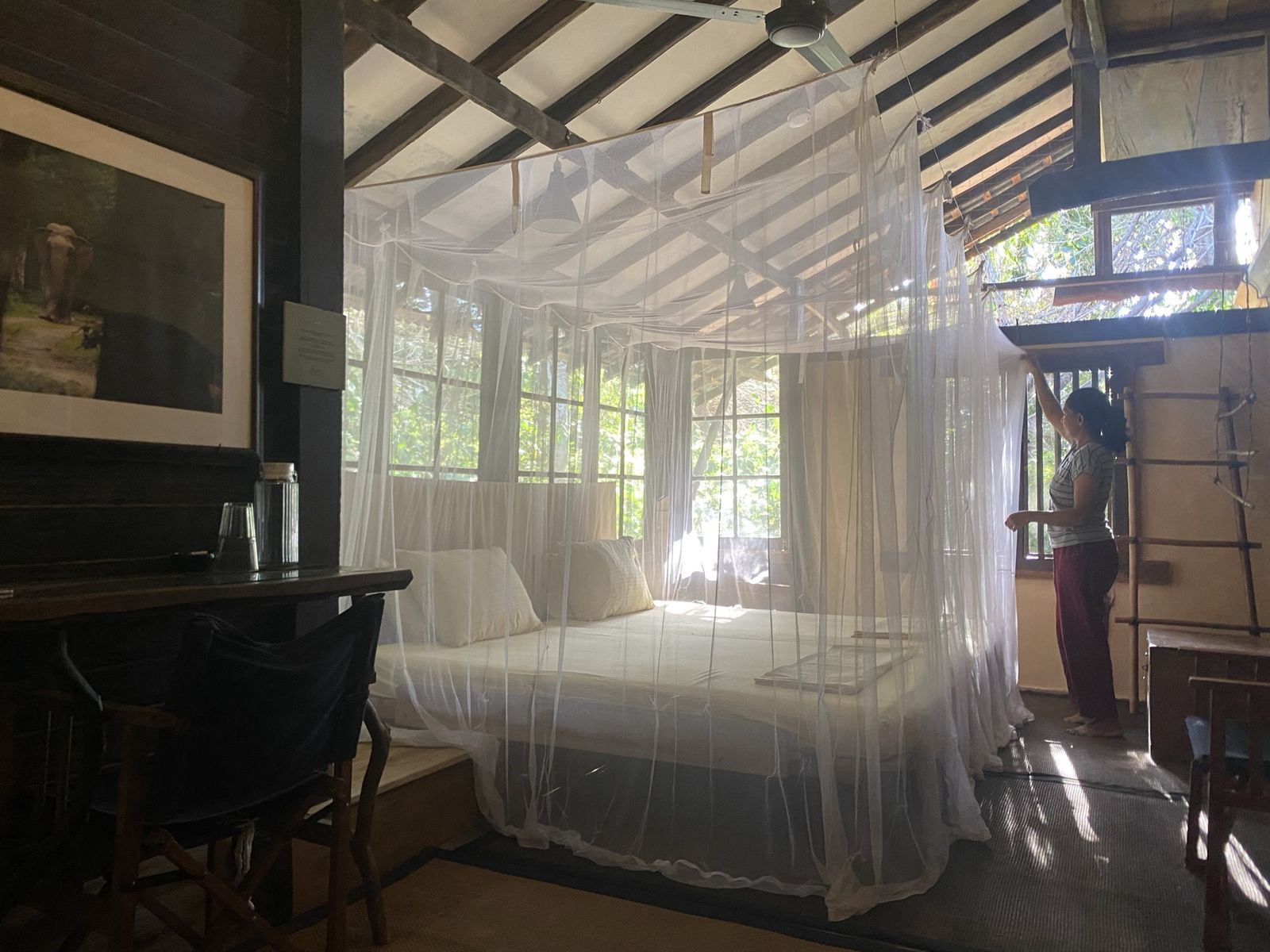
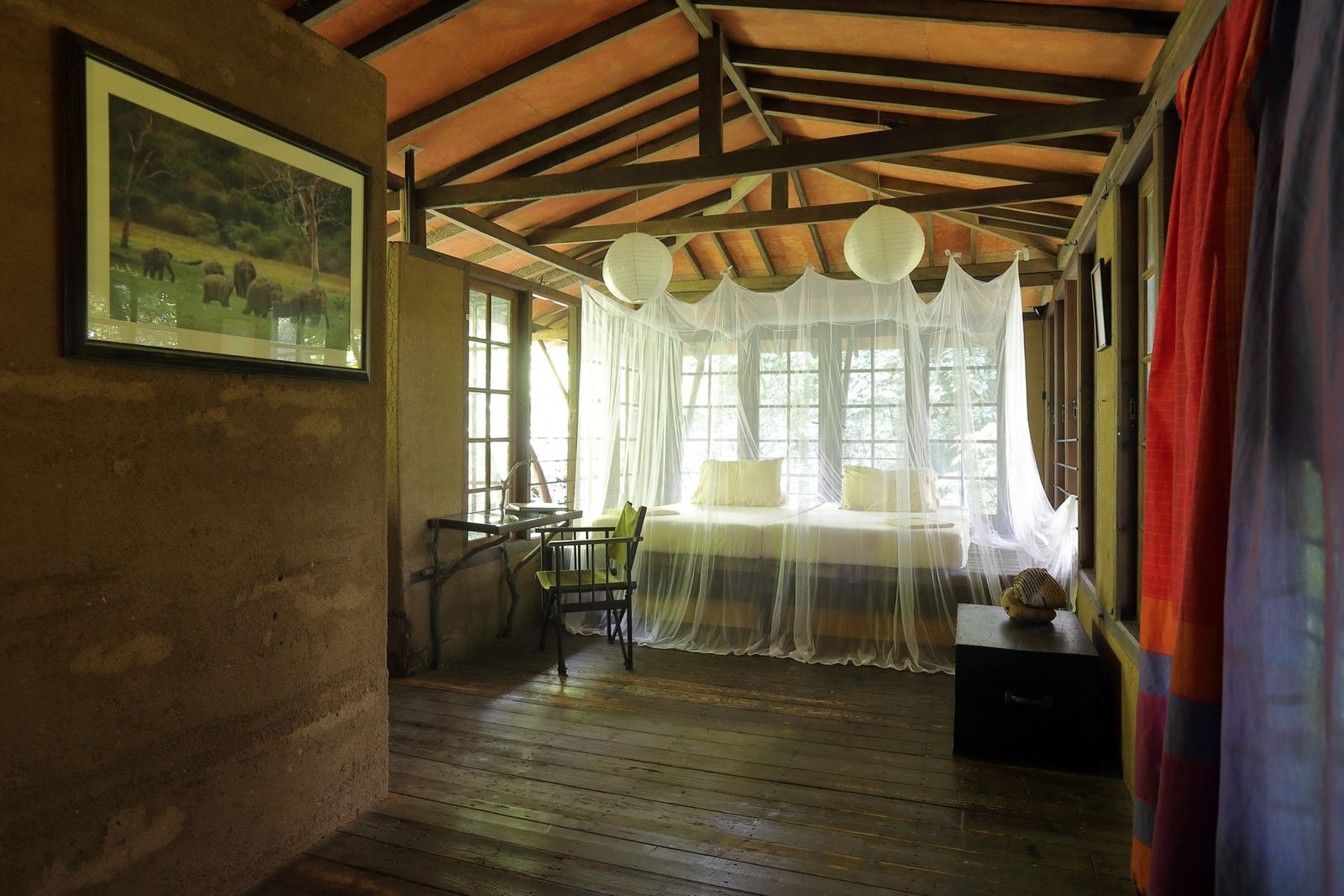
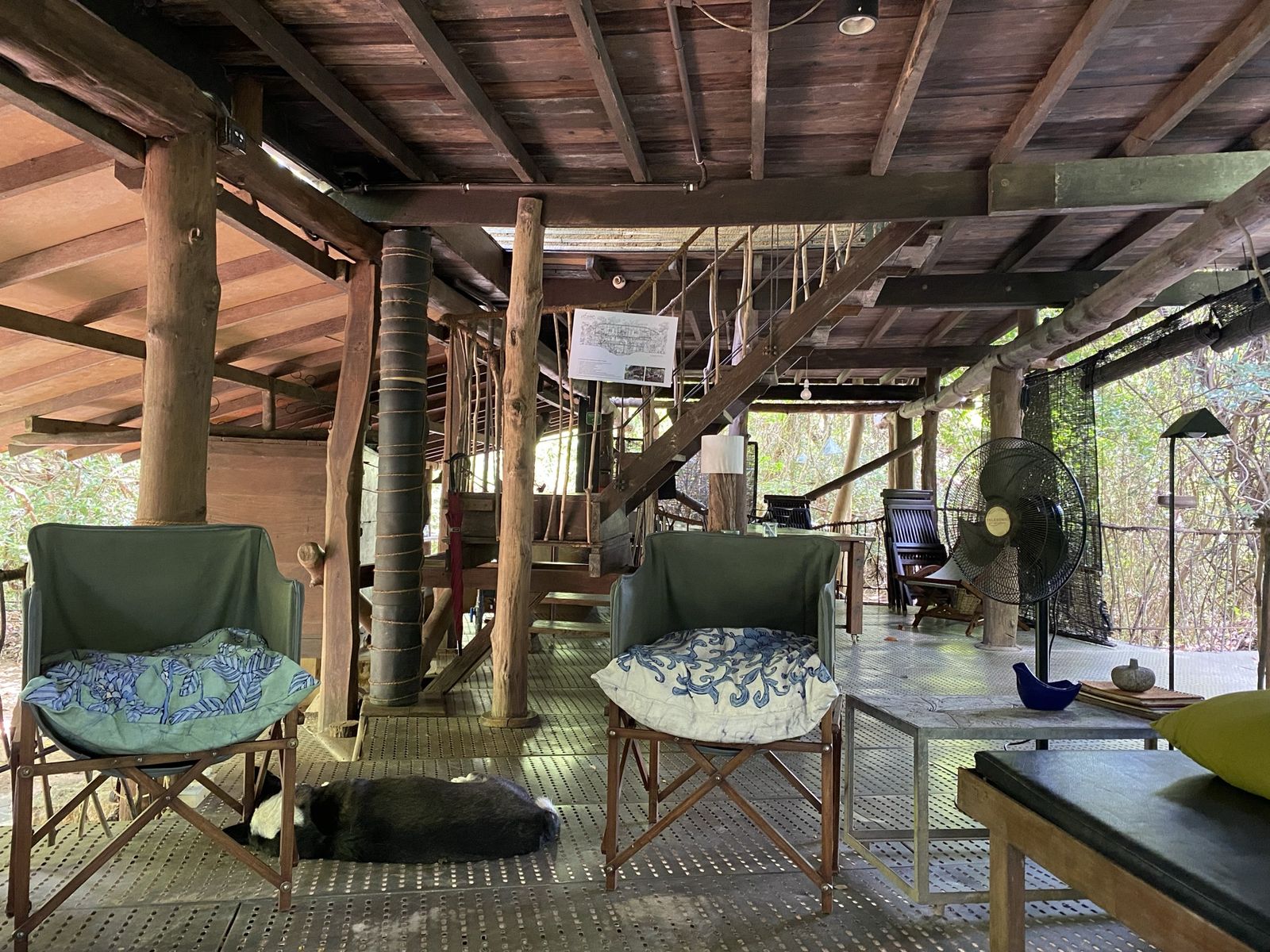
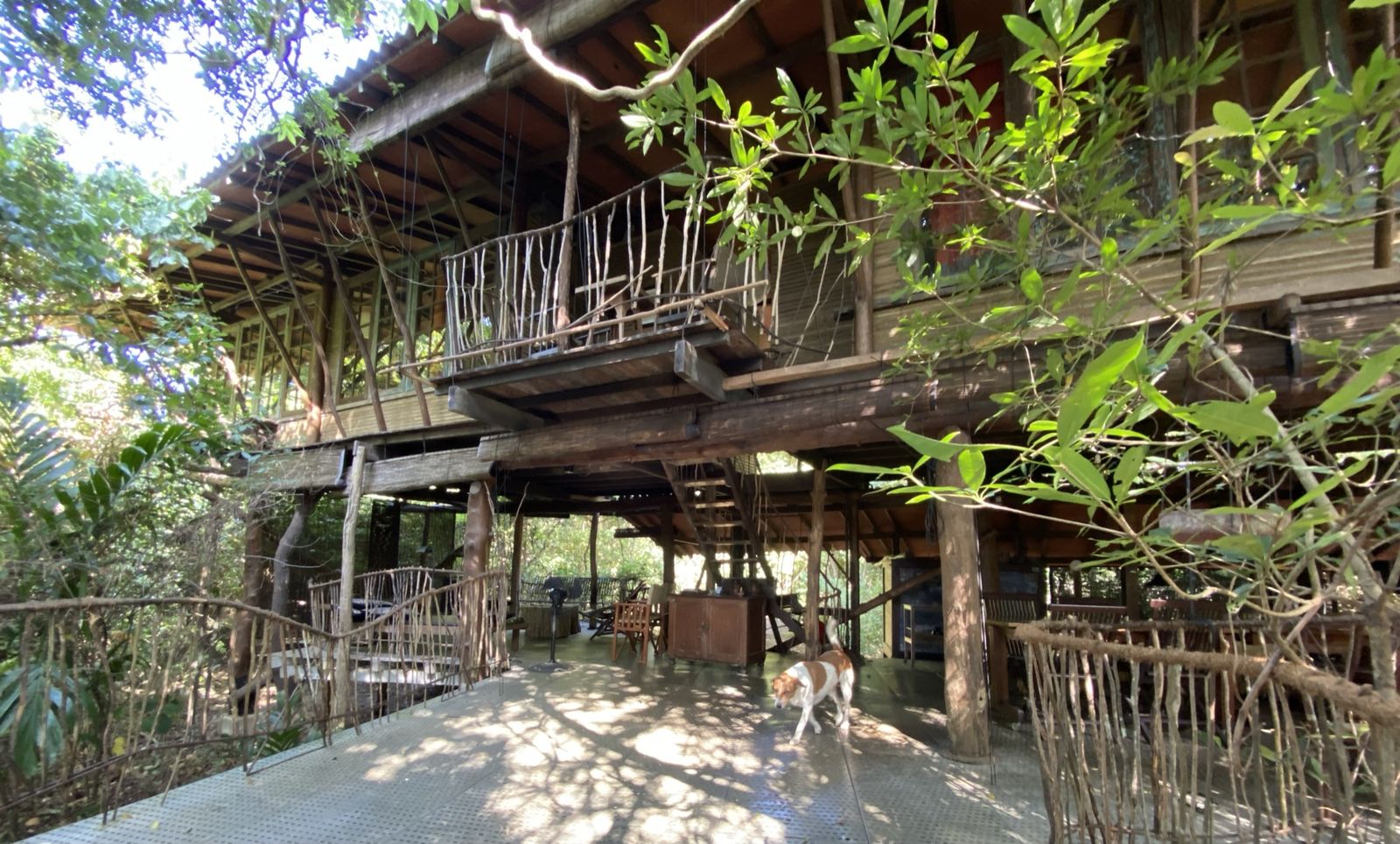
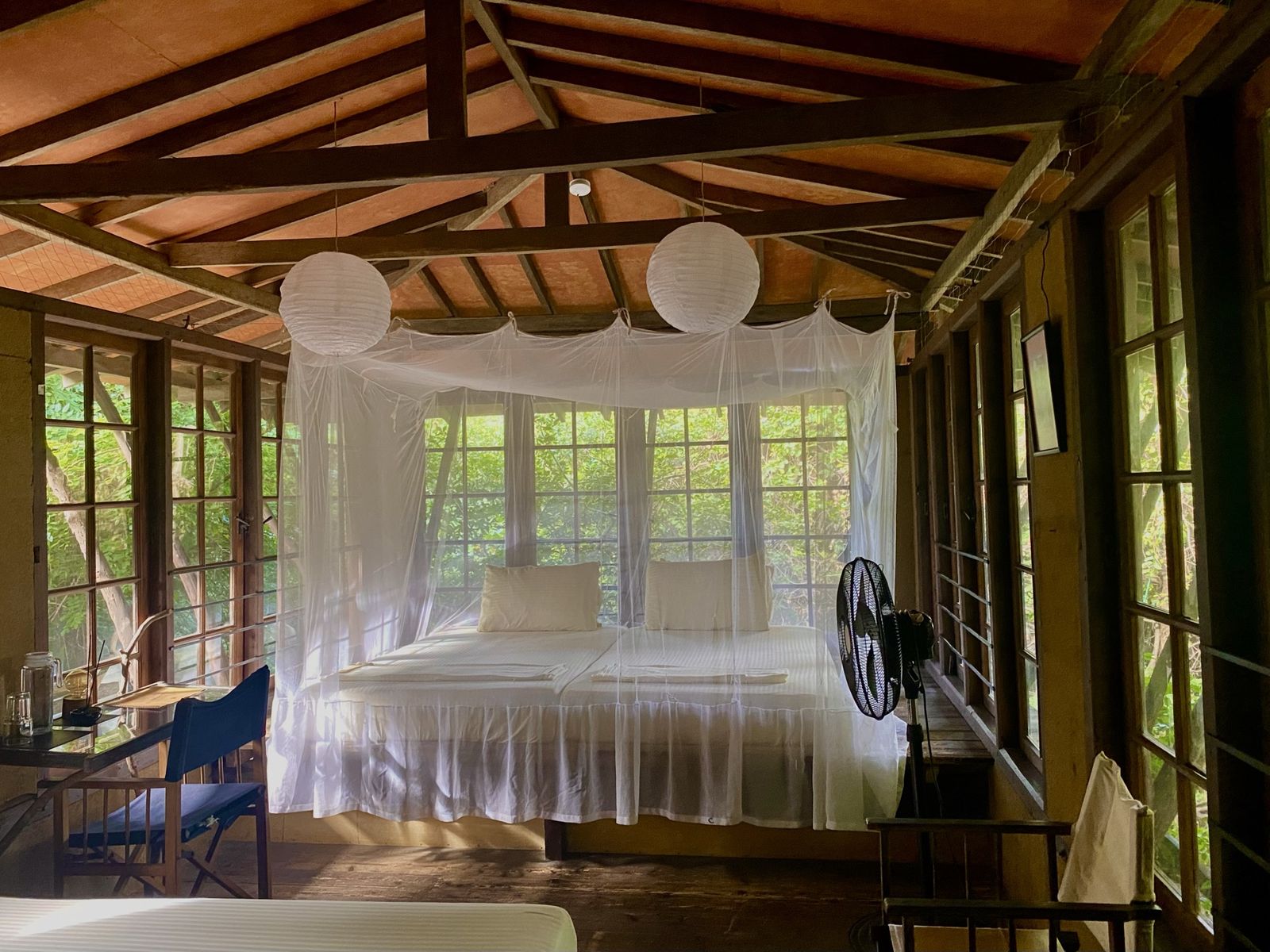
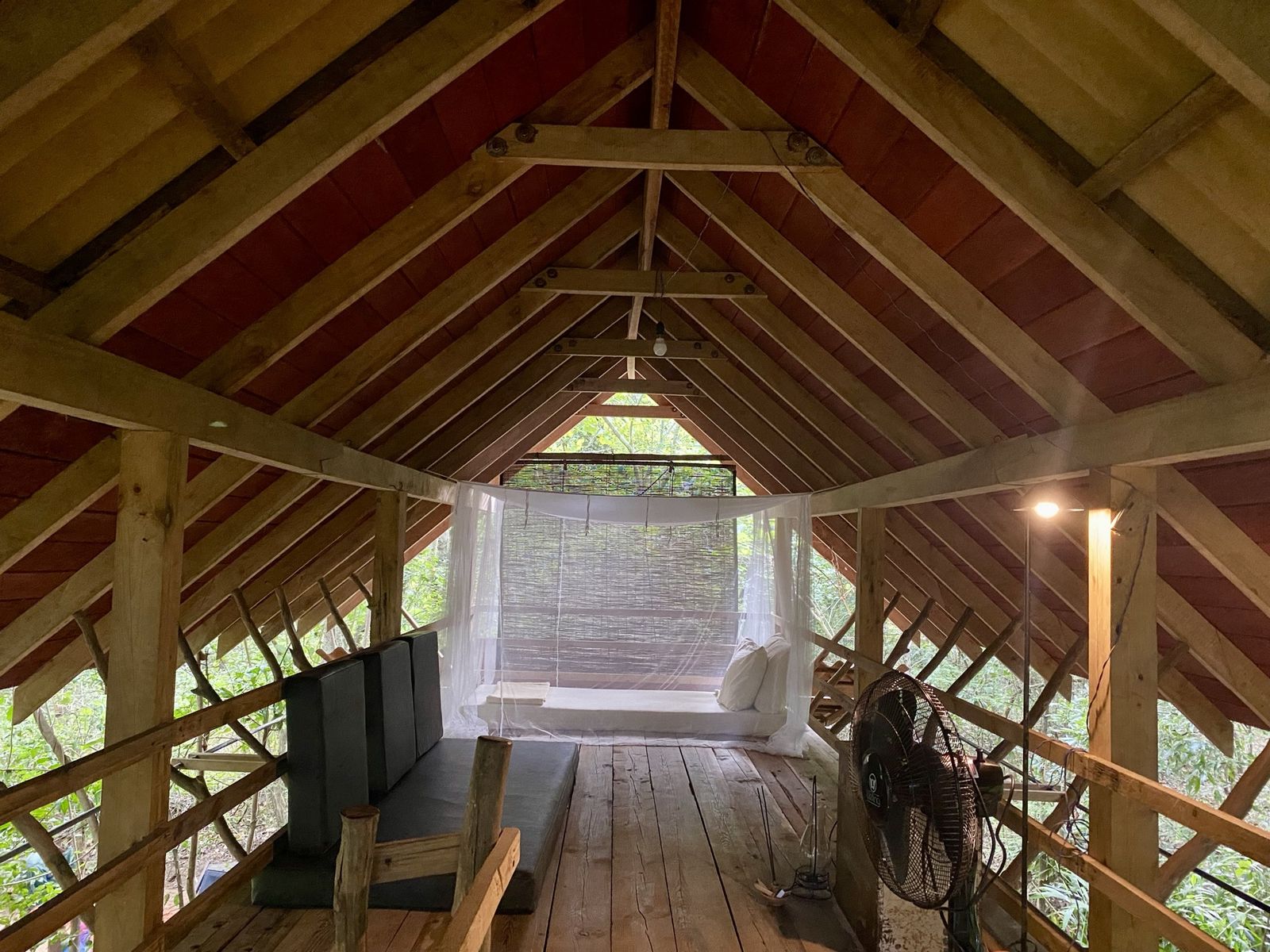
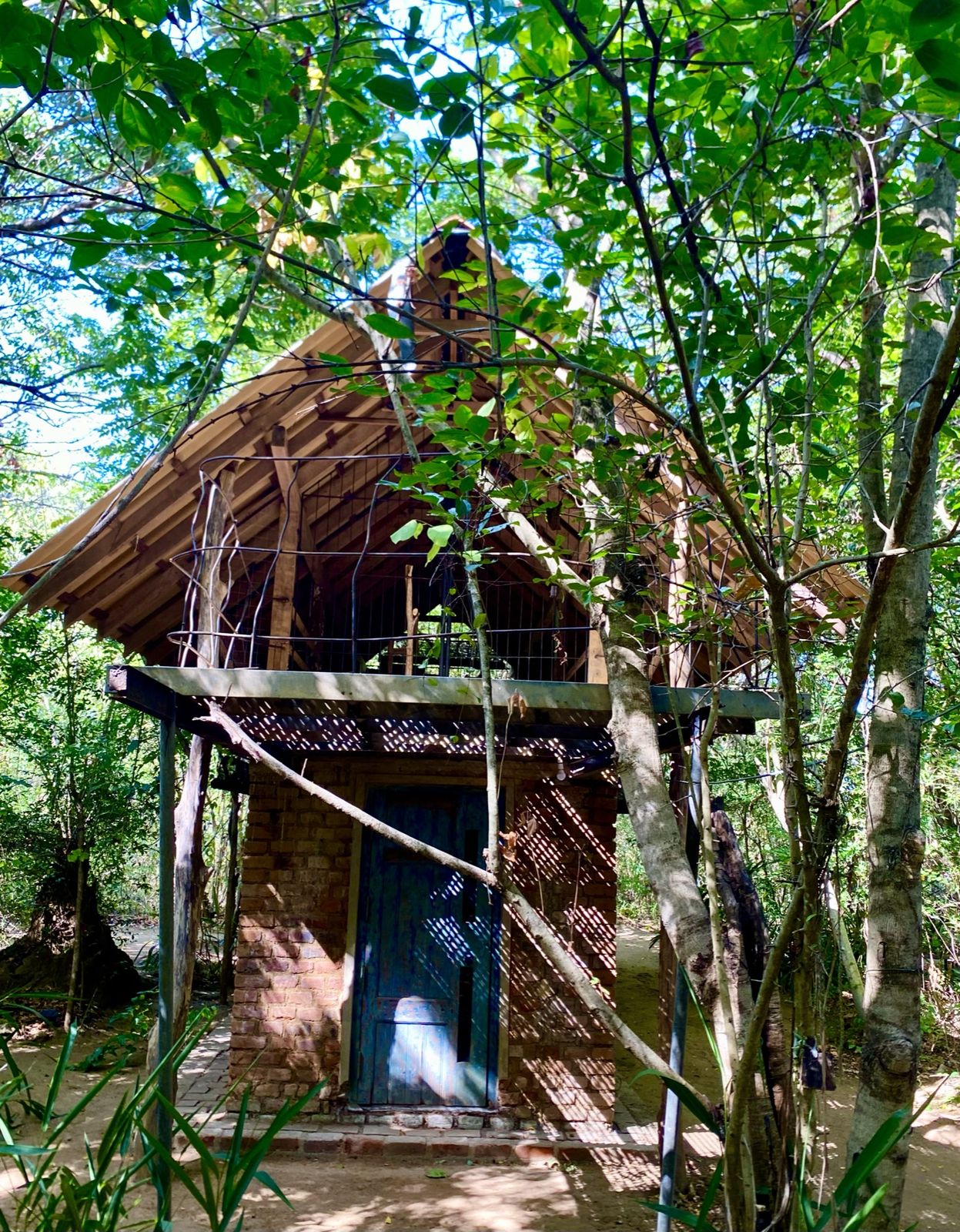
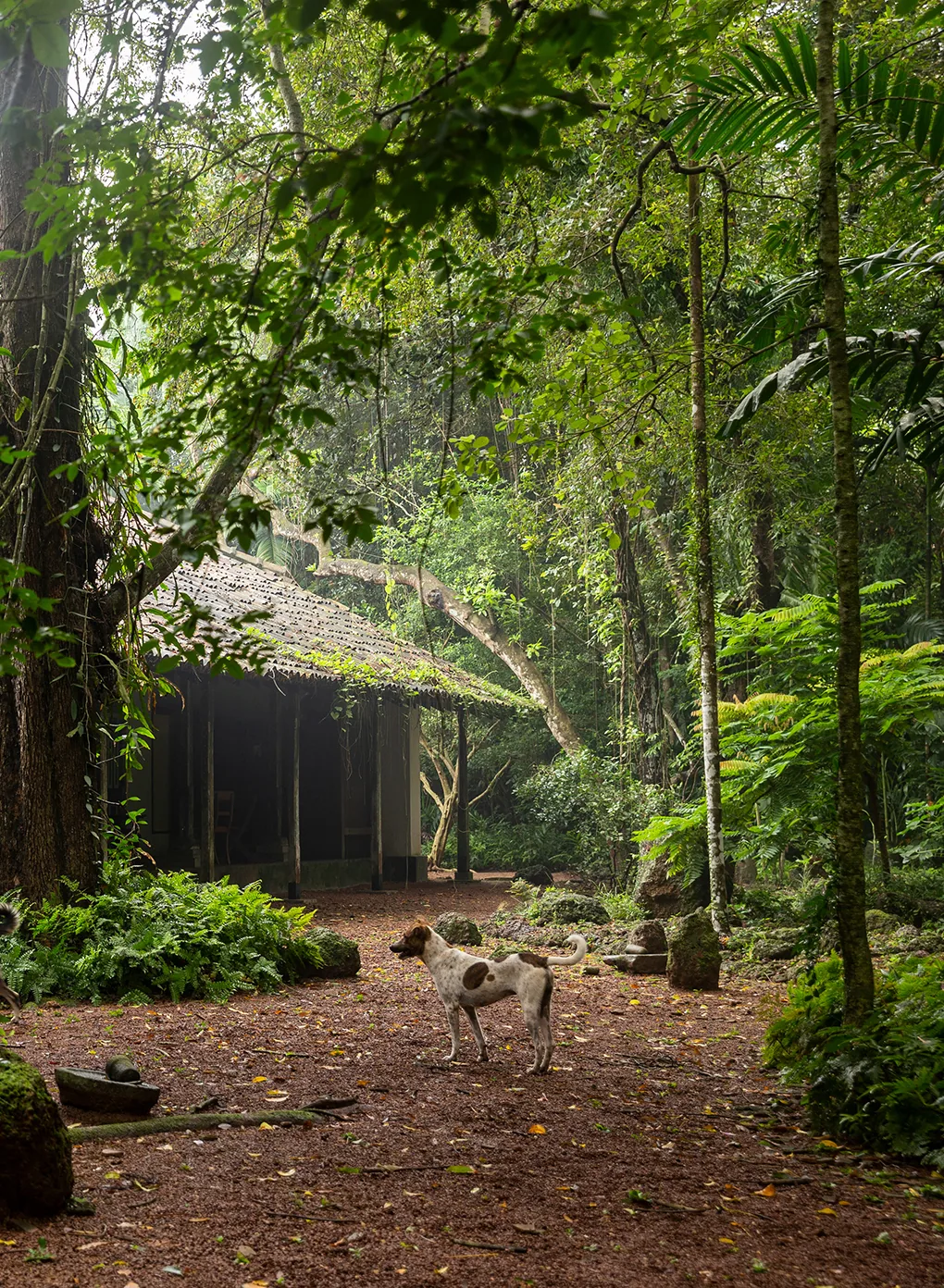
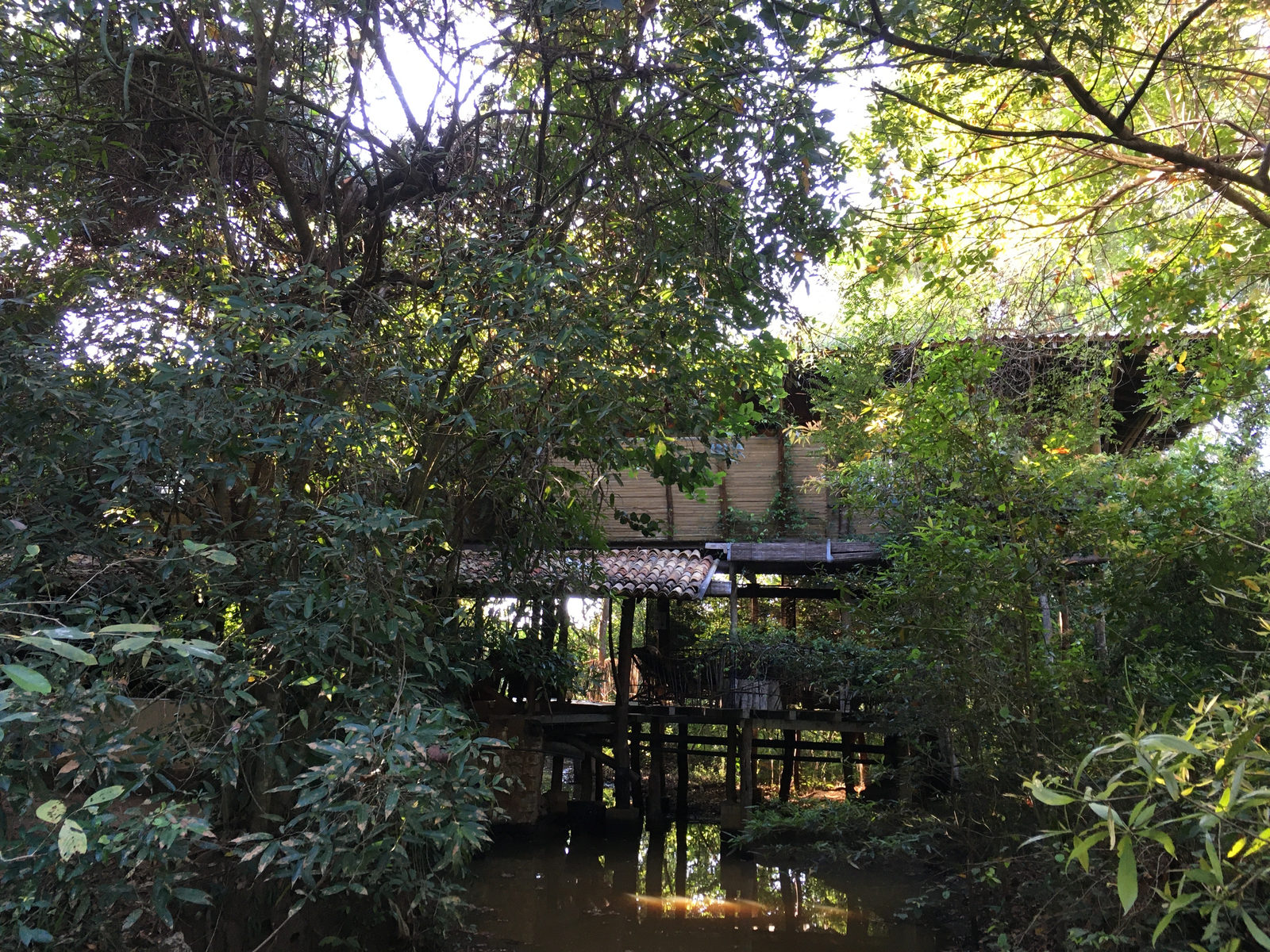
Built among trees and vines, Galkadawala’s treehouse-like
bungalows were designed to merge with the landscape rather than dominate it. Their open
spaces welcome the natural light, the breeze from the lake, and the many sounds of the
forest stirring to life.
where you will stay
The First Bungalow
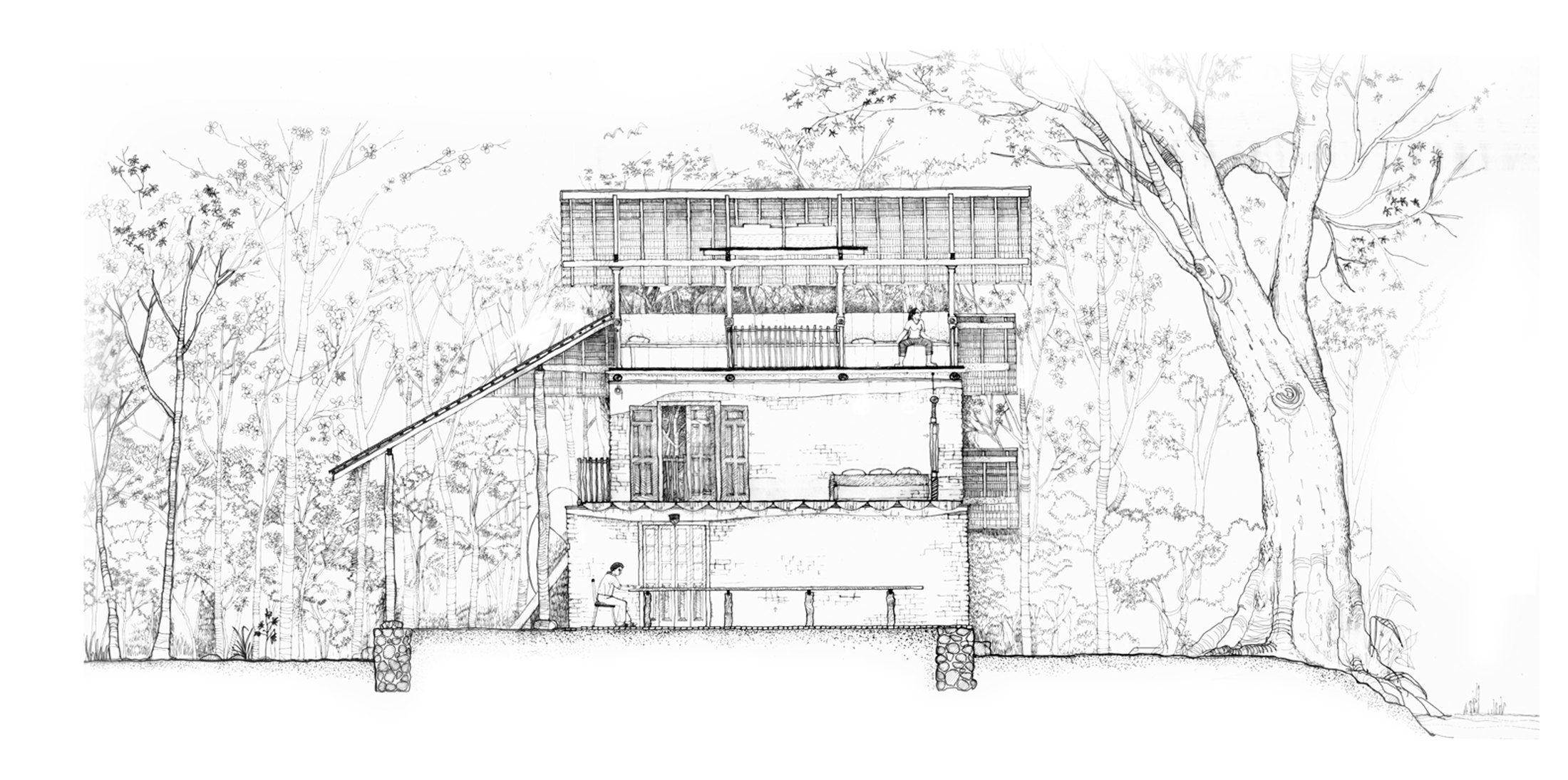
Inspired by the watch-huts traditionally used by Dry Zone farmers to protect
their crops, the first bungalow resembles a spacious treehouse.
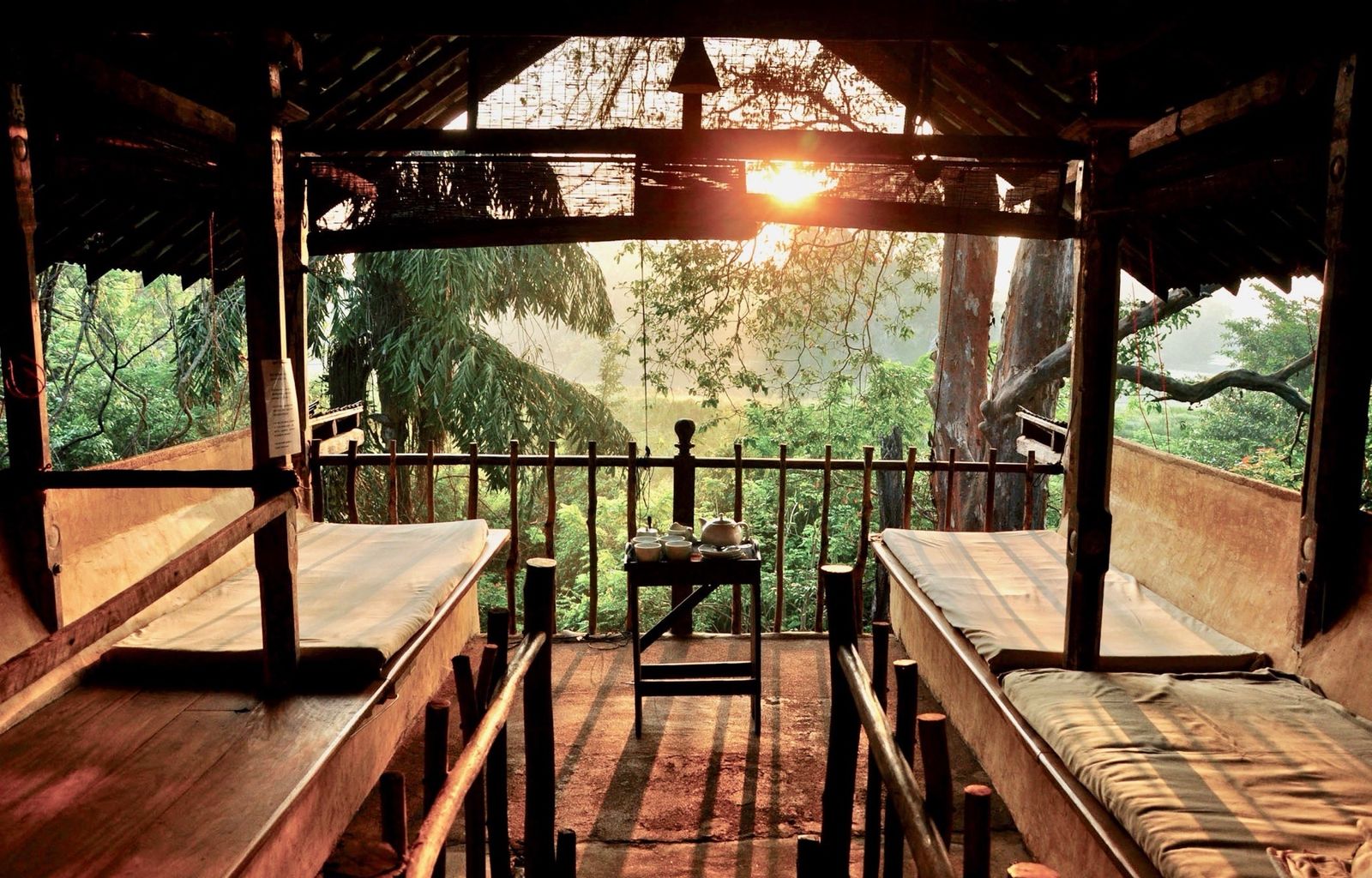
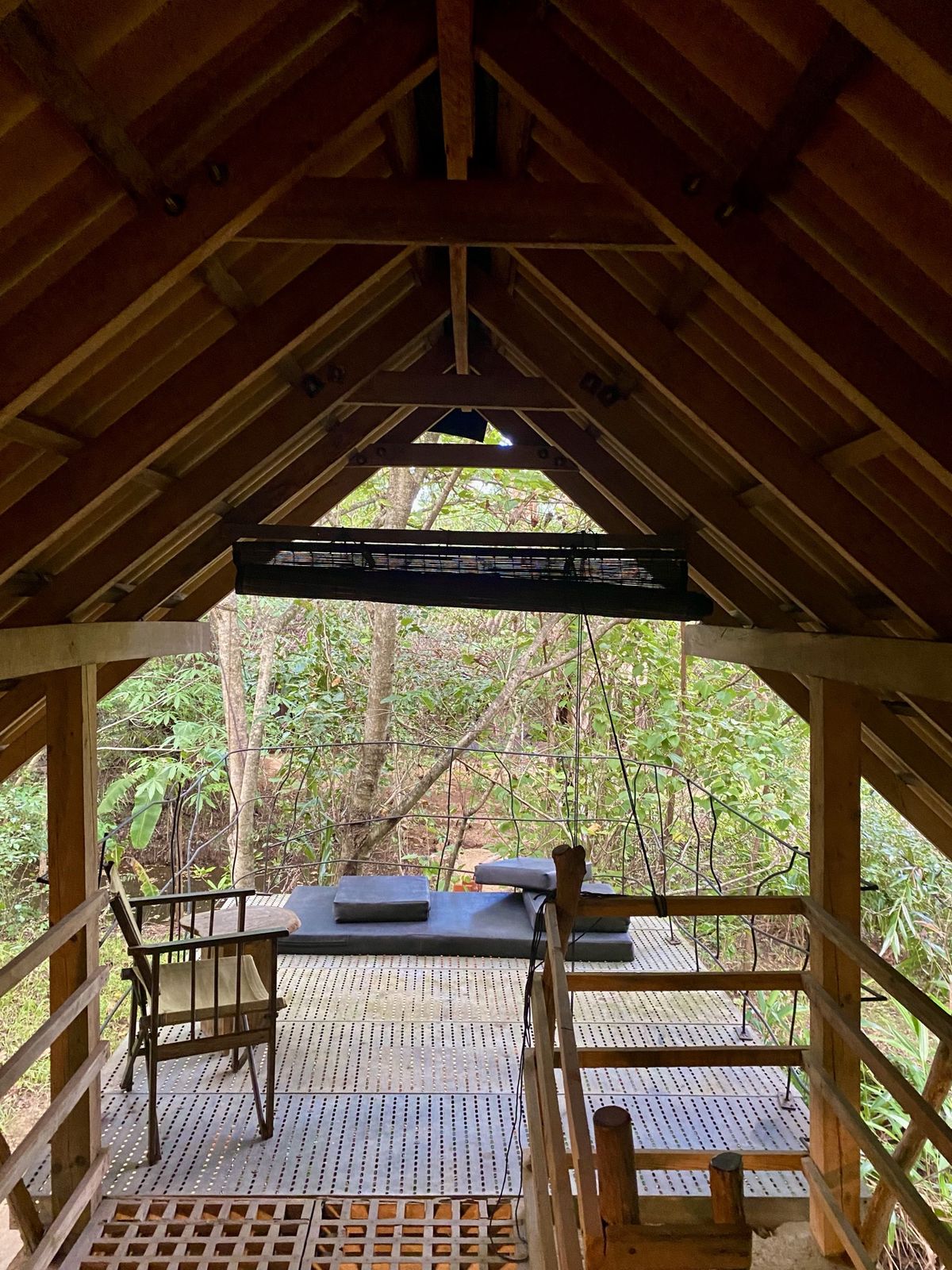
It consists of three en-suite bedrooms. An open deck on the uppermost level looks
across the forest towards the village lake – a peaceful place from which to watch
the forest awaken or settle at the end of the day.
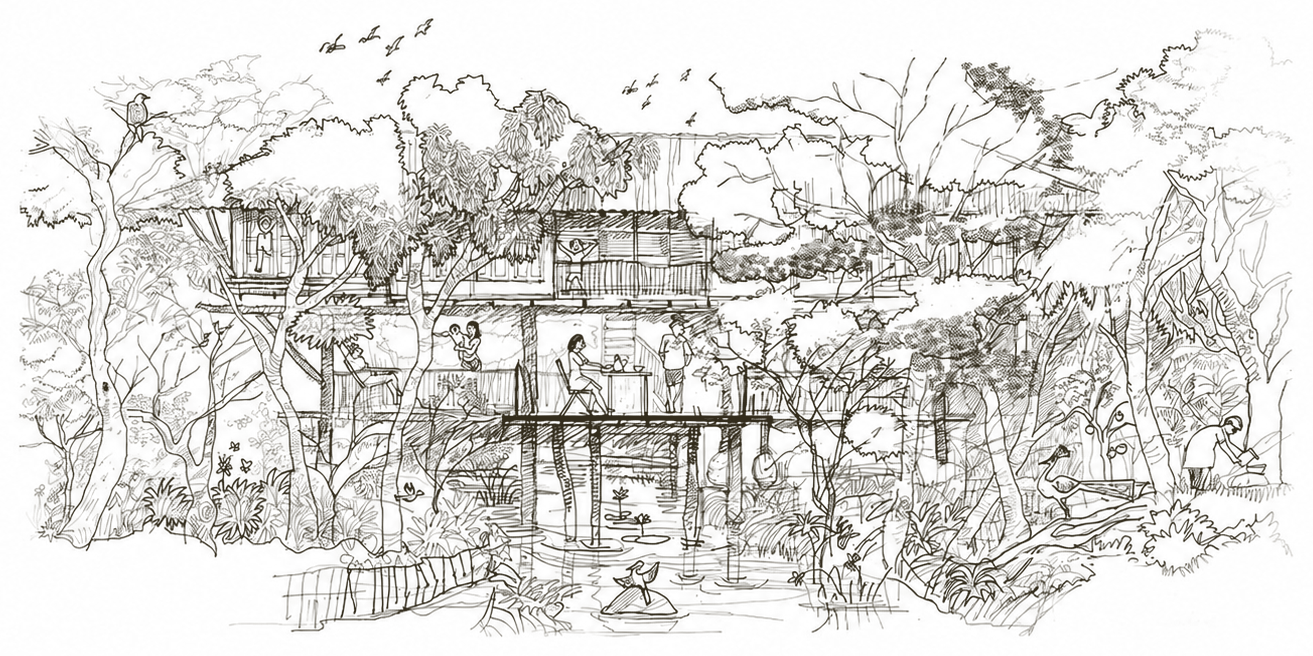
The Second Bungalow
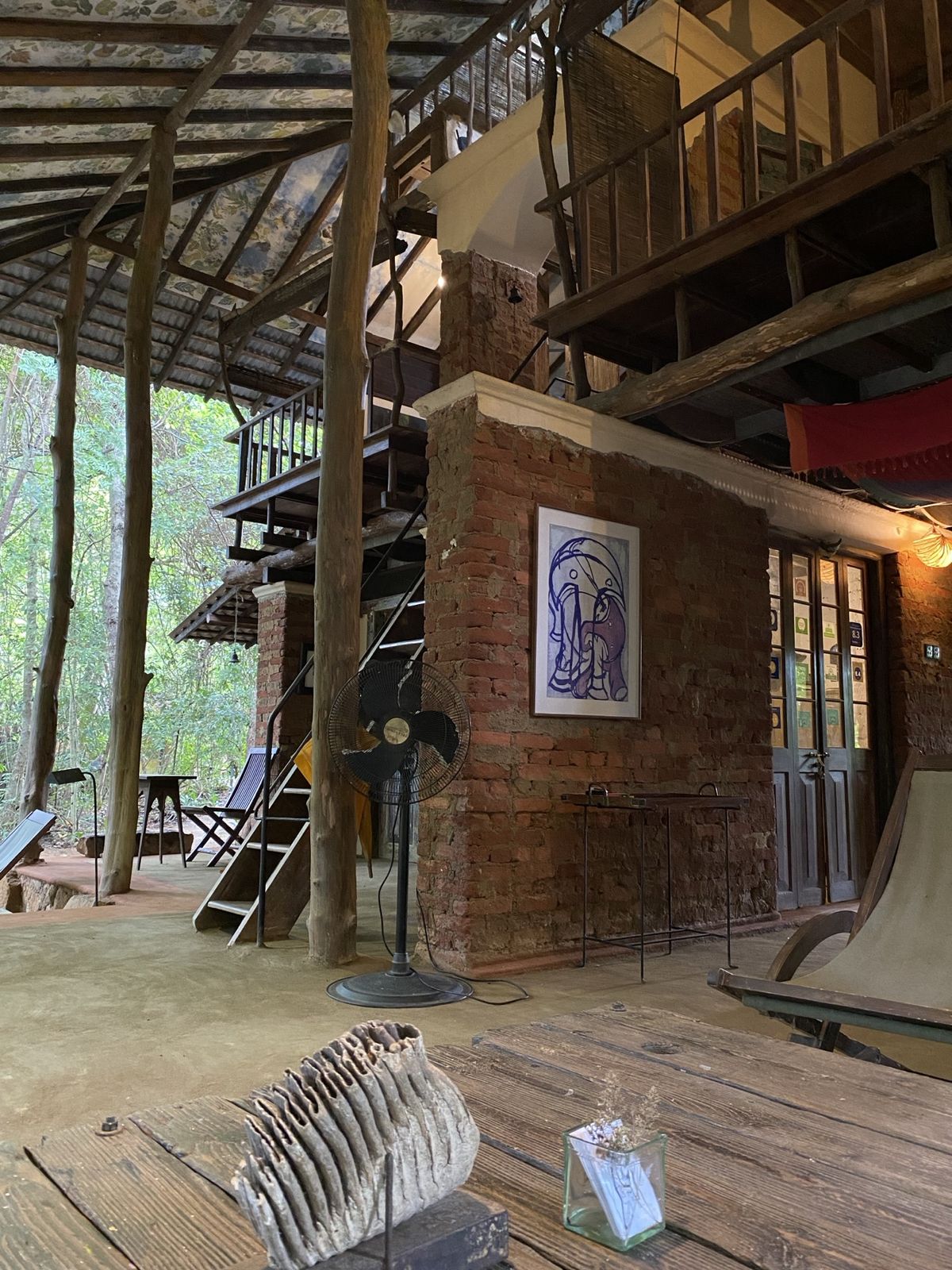
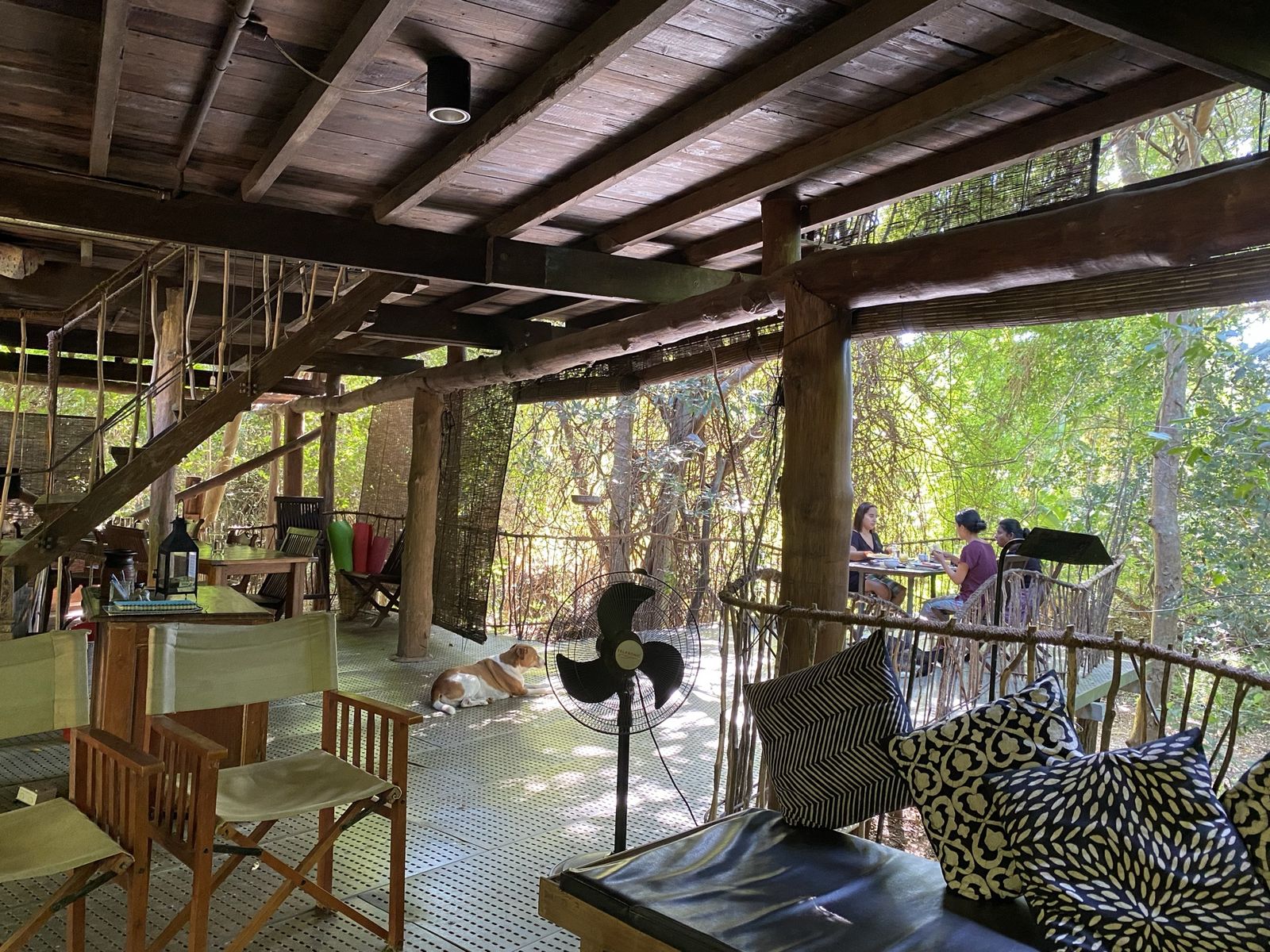
The bungalow draws inspiration from Sri Lanka’s traditional Tampita Viharas and
Ambalamas. Resting above water and natural boulders, it appears to float within the
surrounding forest.
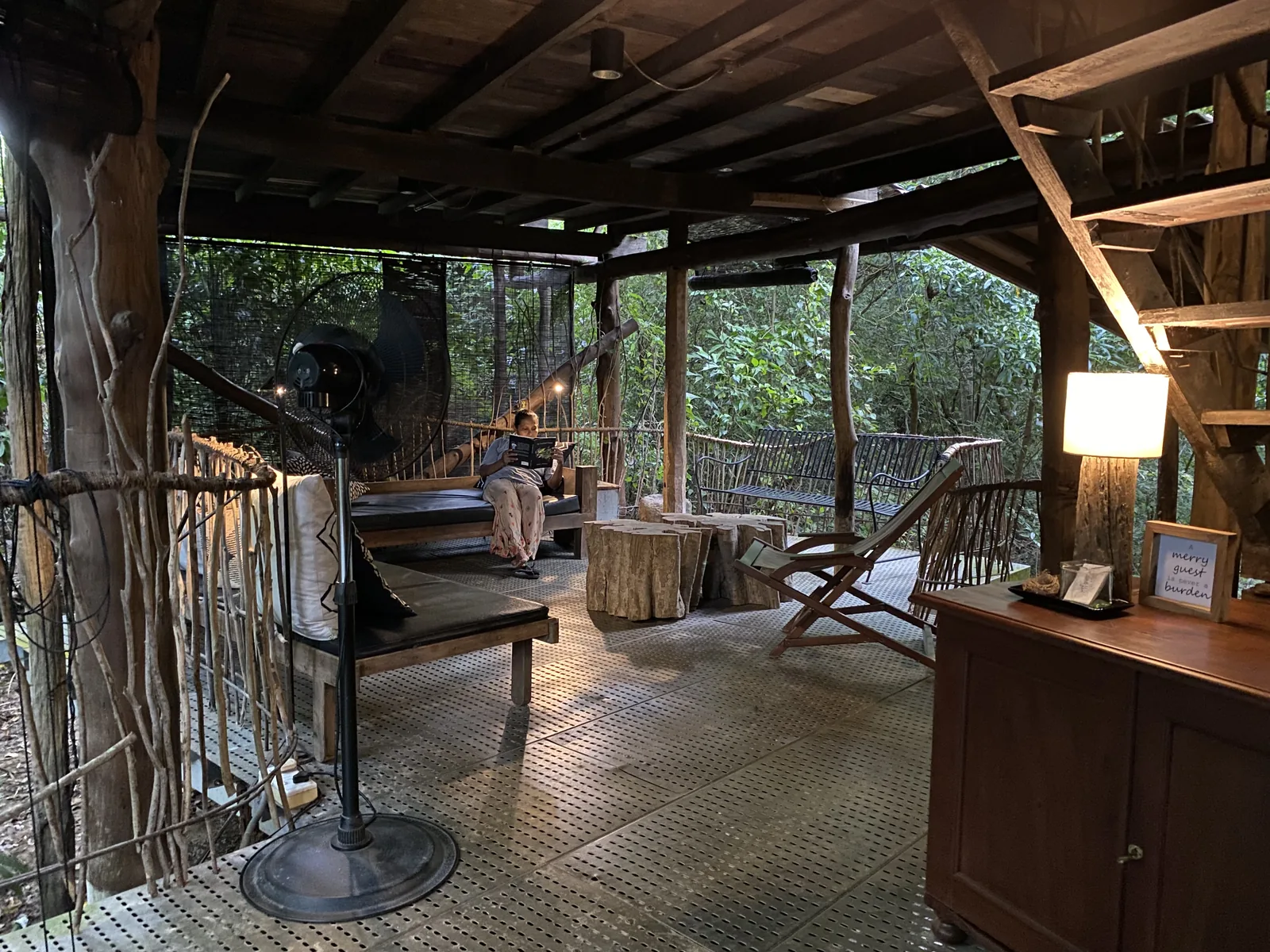
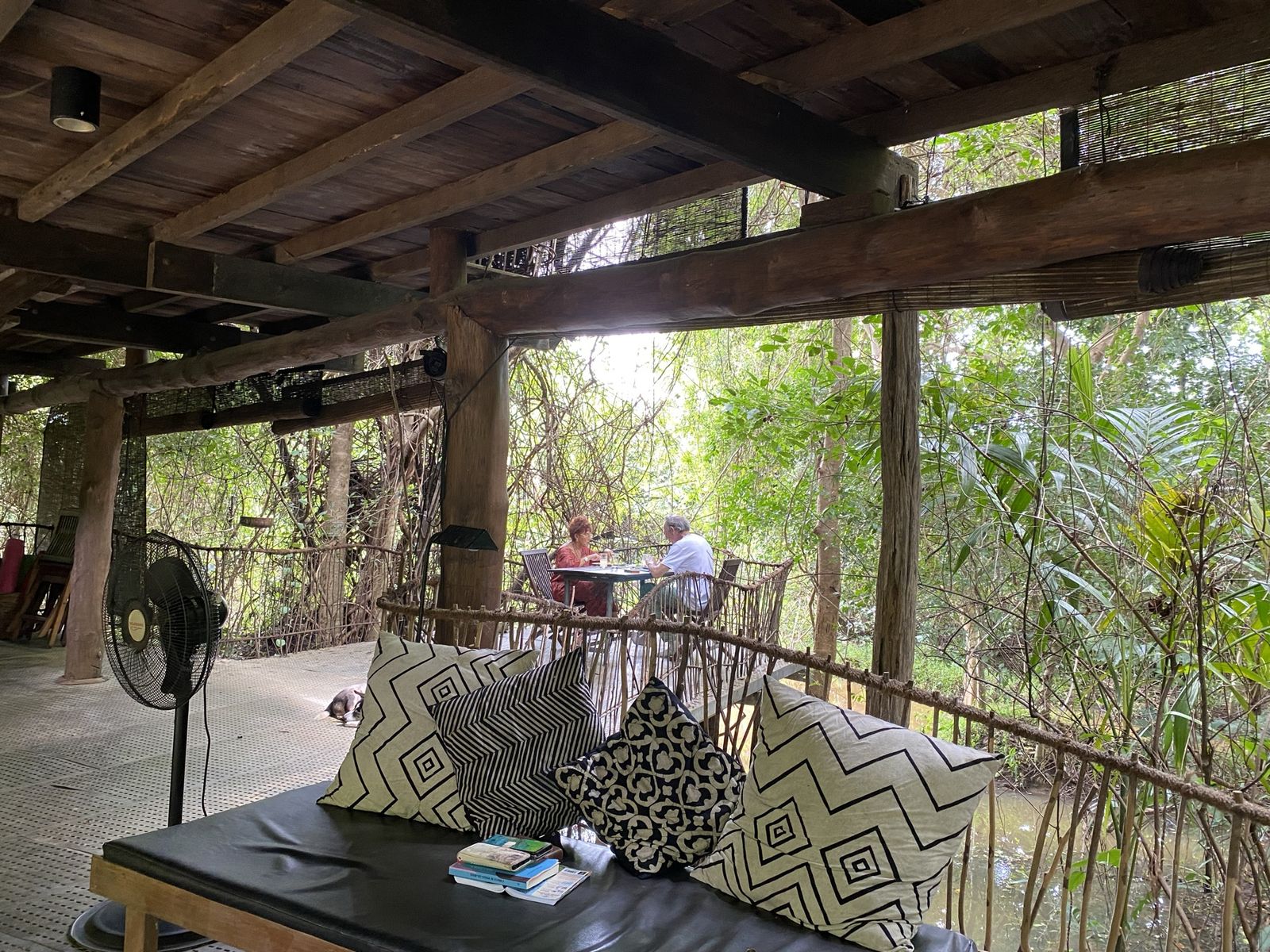
Its living and dining spaces open onto covered and open-air decks, offering quiet
places to read, rest, or observe the life among the trees.
Upstairs are two en-suite bedrooms with a shared balcony. Through the surrounding
branches and foliage, guests catch glimpses of the village lake.
The Birders’ Nook
Hidden near the edge of the Galkadawala Lake, the Birders’ Nook offers a more
secluded treehouse-style retreat.
The ground floor has a cozy sitting area and an en-suite bathroom with an outdoor
hot-water shower. Above, the sleeping area and viewing deck immerse you in the sights
and sounds of the surrounding wilderness.
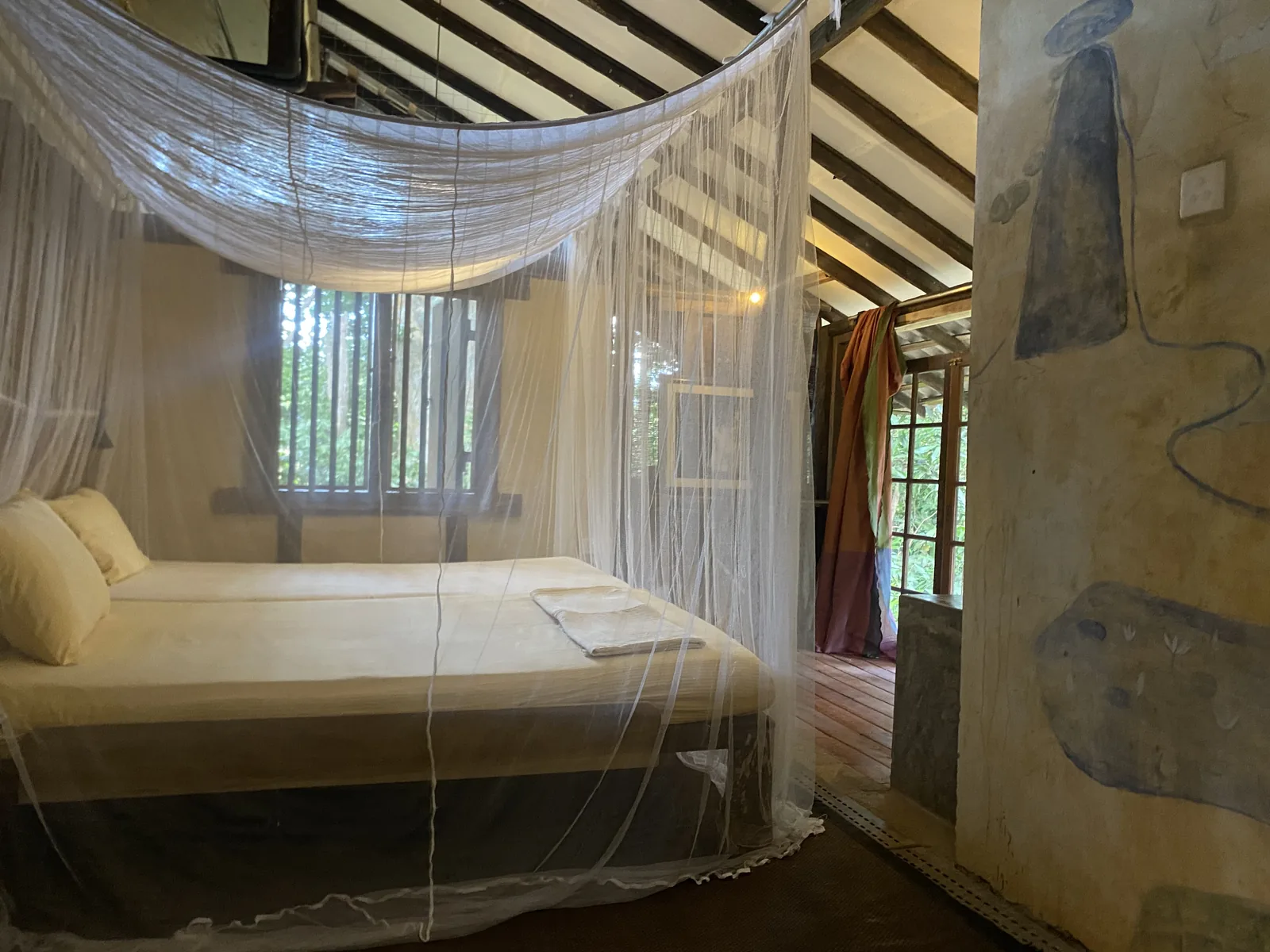
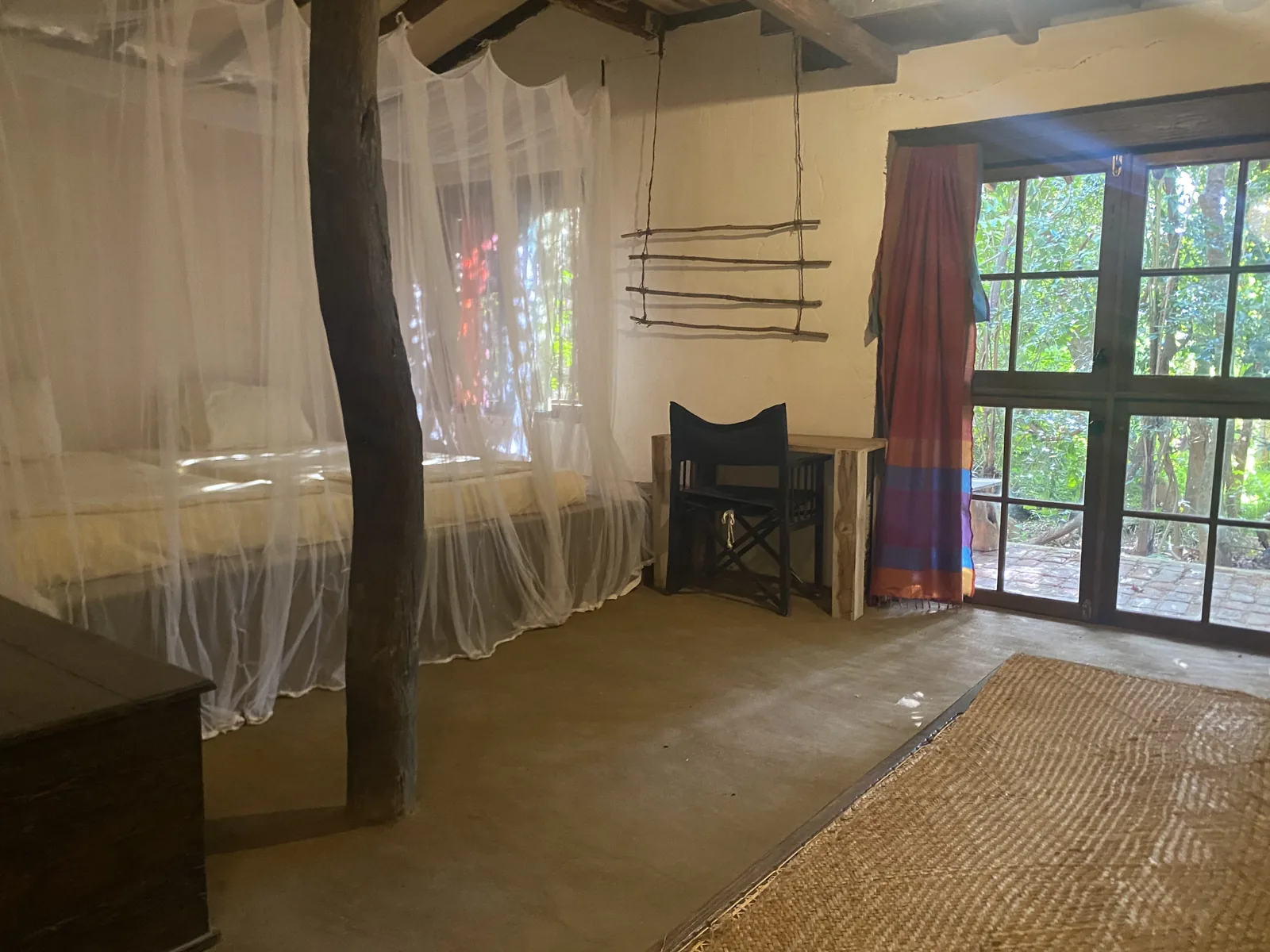
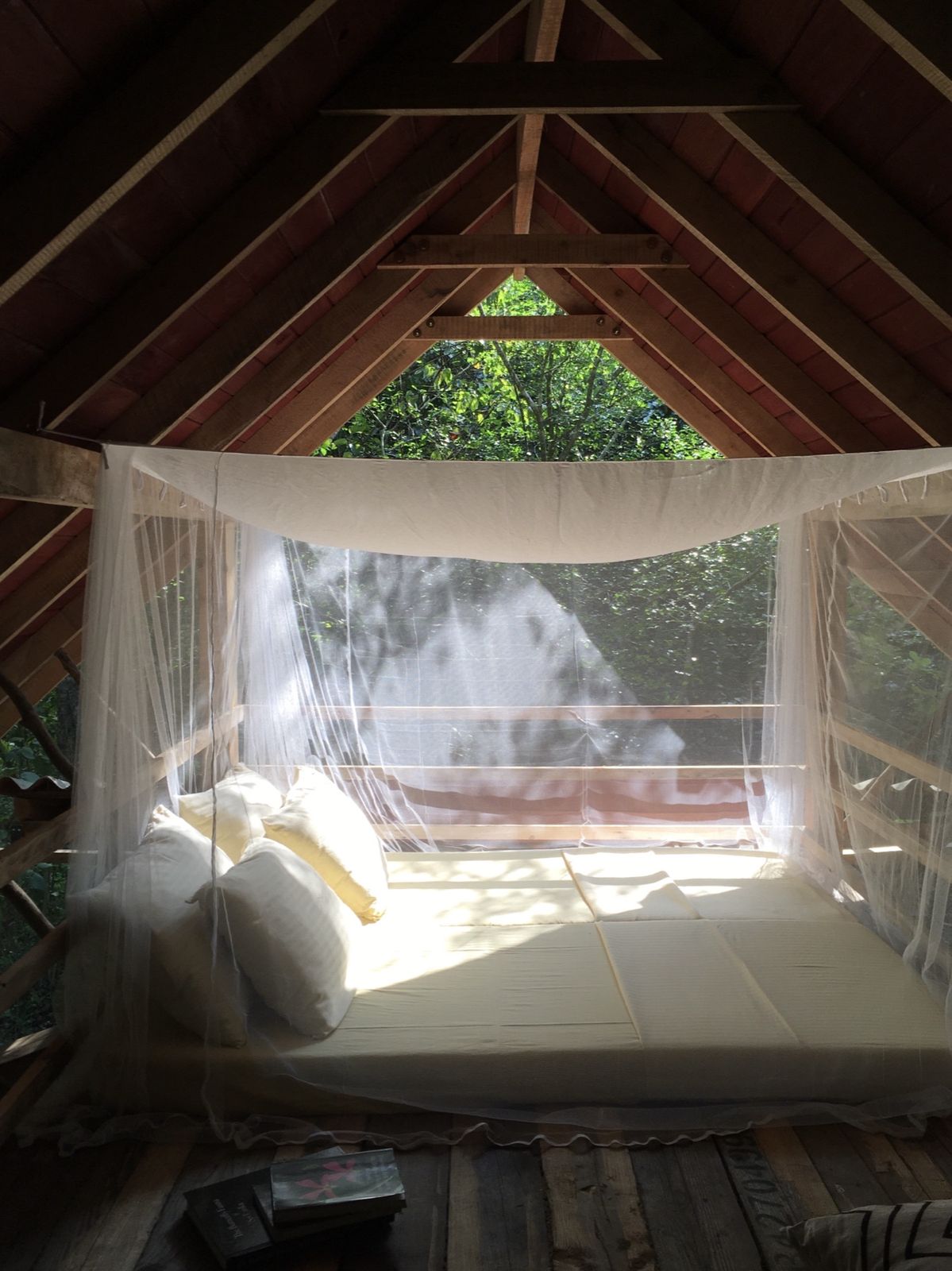
All accommodation at Galkadawala has attached bathrooms, running
water, hot water, electricity, fans, mosquito nets and Wi-Fi. The rooms can be arranged as
doubles, twins or triples, with family-room options also available.
14:30 — living lightly
Living Lightly
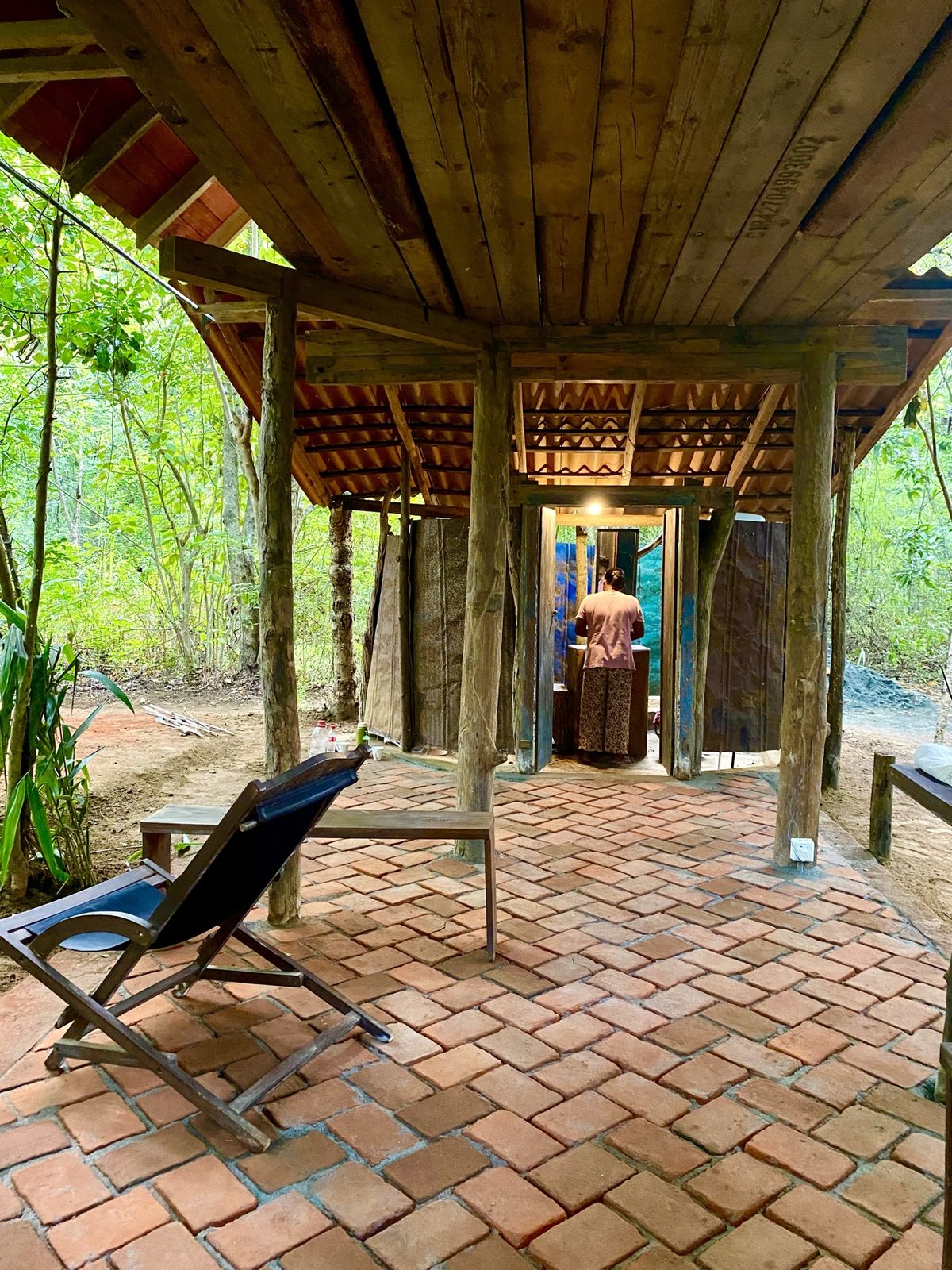
Galkadawala was built mostly from materials that had already lived another life.
Hardly any concrete was used in the construction. Instead, brick, clay and rubble
were thoughtfully blended with reclaimed materials. Timber, doors, windows, floorboards
and columns from a dismantled tea factory were carefully reused, while discarded
galvanized cable trays from a power station were transformed into ventilated floors,
decks and other architectural features.
Drawing on the wisdom of traditional architecture, the buildings are positioned to
catch the gentle breezes blowing across the lake, providing natural ventilation without
the need for air conditioning. Open spaces and abundant natural light also reduce the
need for lighting during the day.
Nothing was designed to compete with the forest. The
architecture steps back, allowing the landscape to remain the most important presence.
drag the photographs sideways
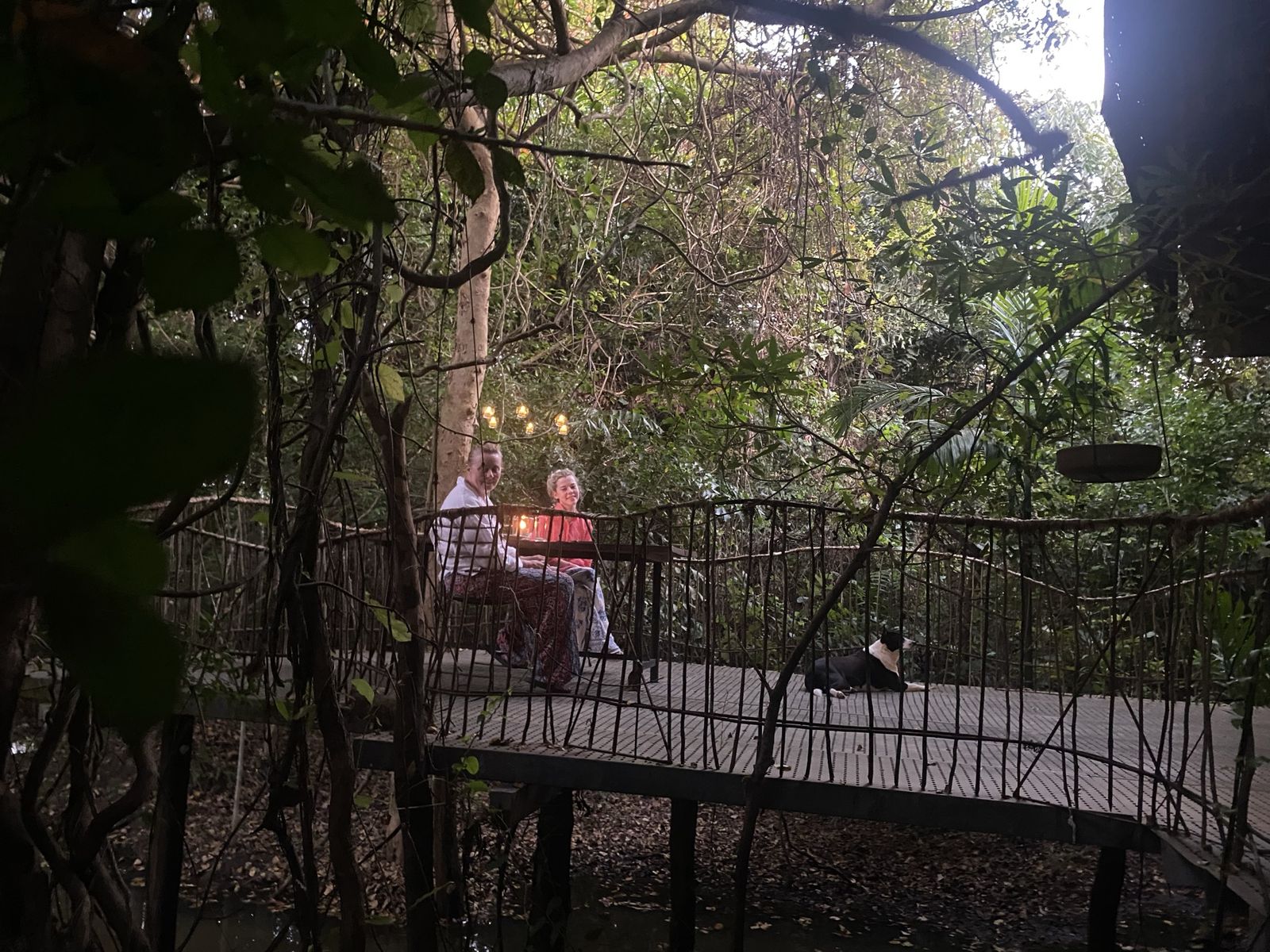
As the sun sets and the forest slowly yields to the night,
the sounds of the day give way to a flickering world of fireflies beneath a star-filled sky,
guests naturally tend to gravitate towards the kitchen. The lively conversation that would
follow may be broken only by the call of an unseen owl.
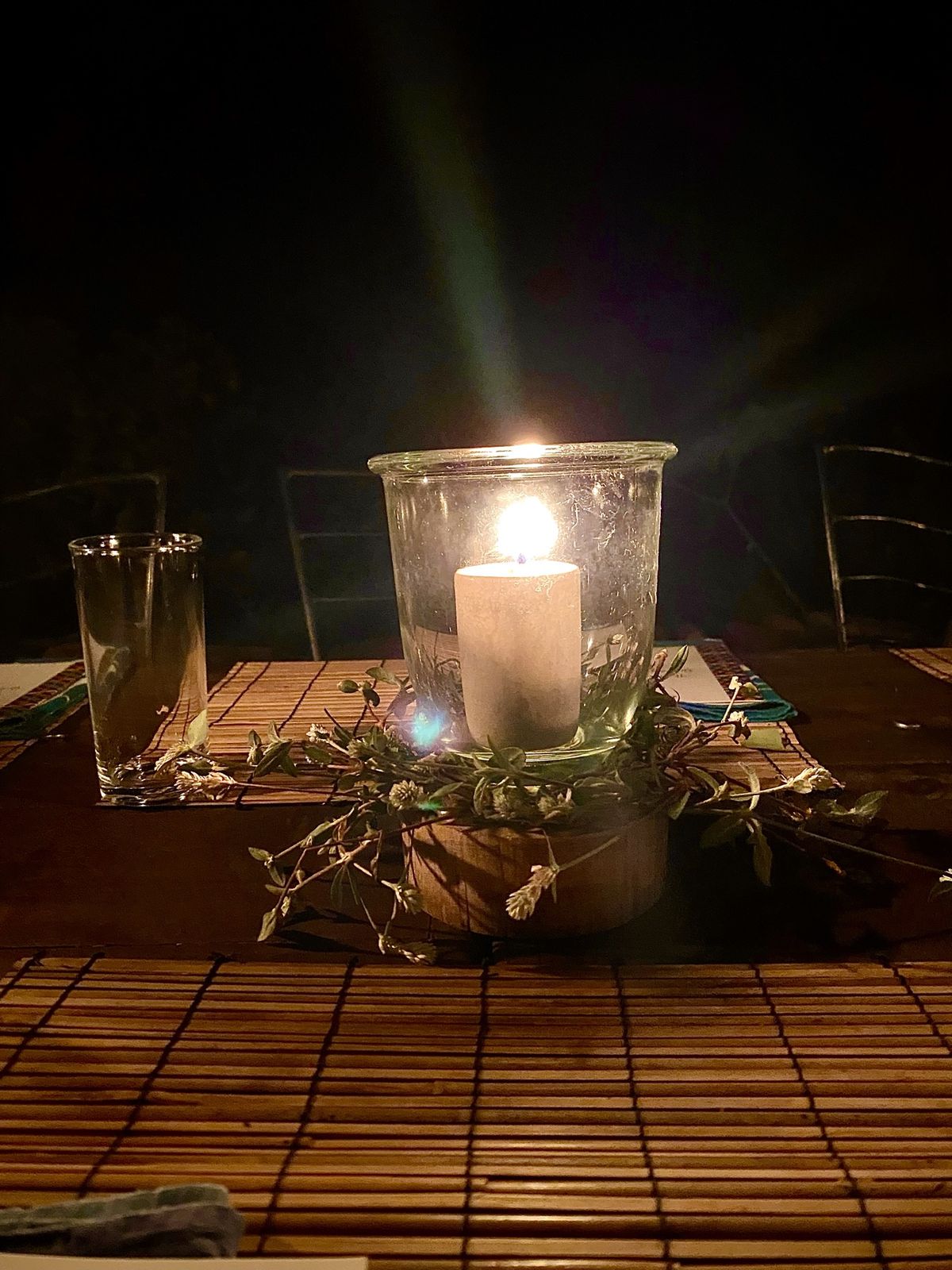
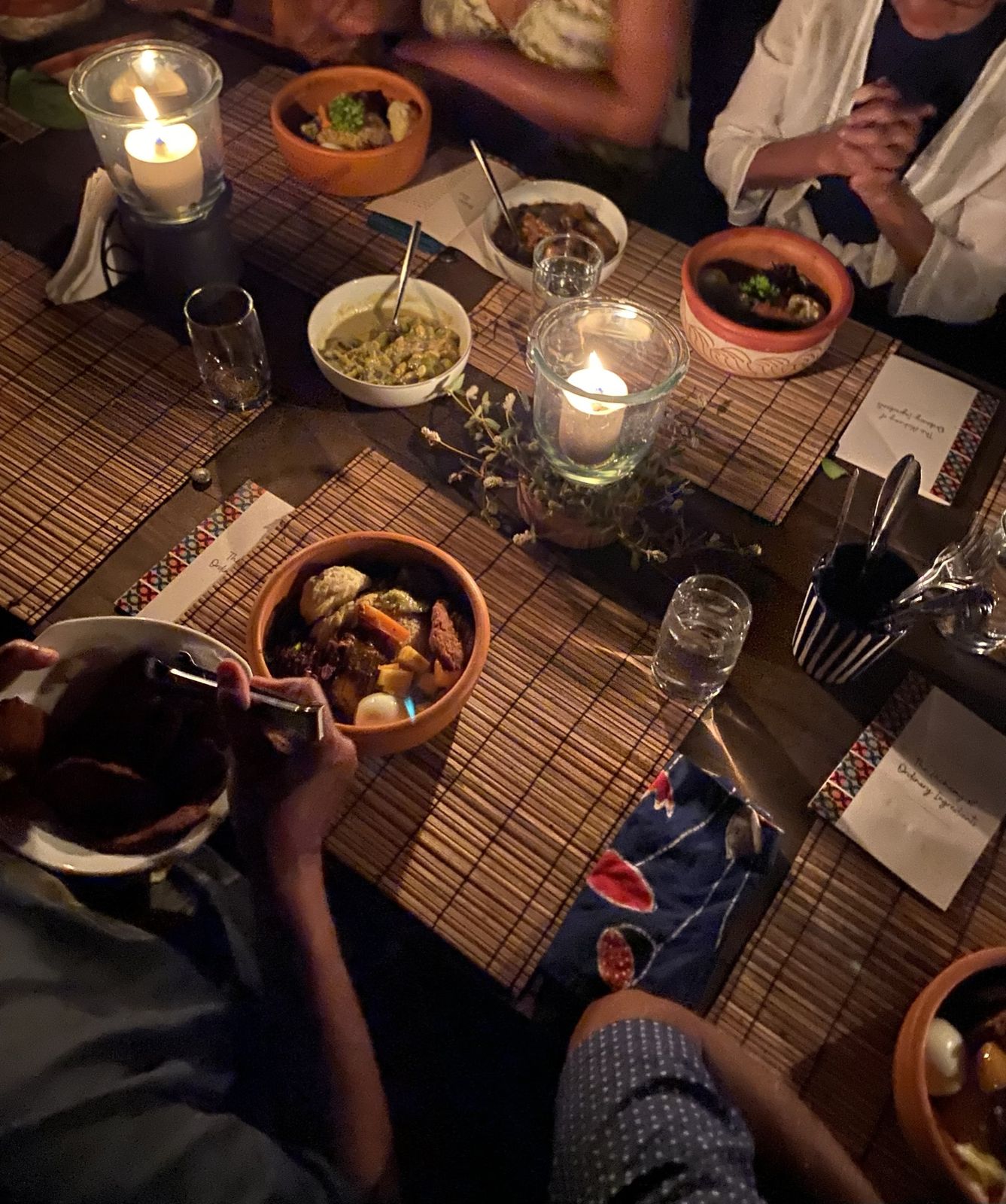
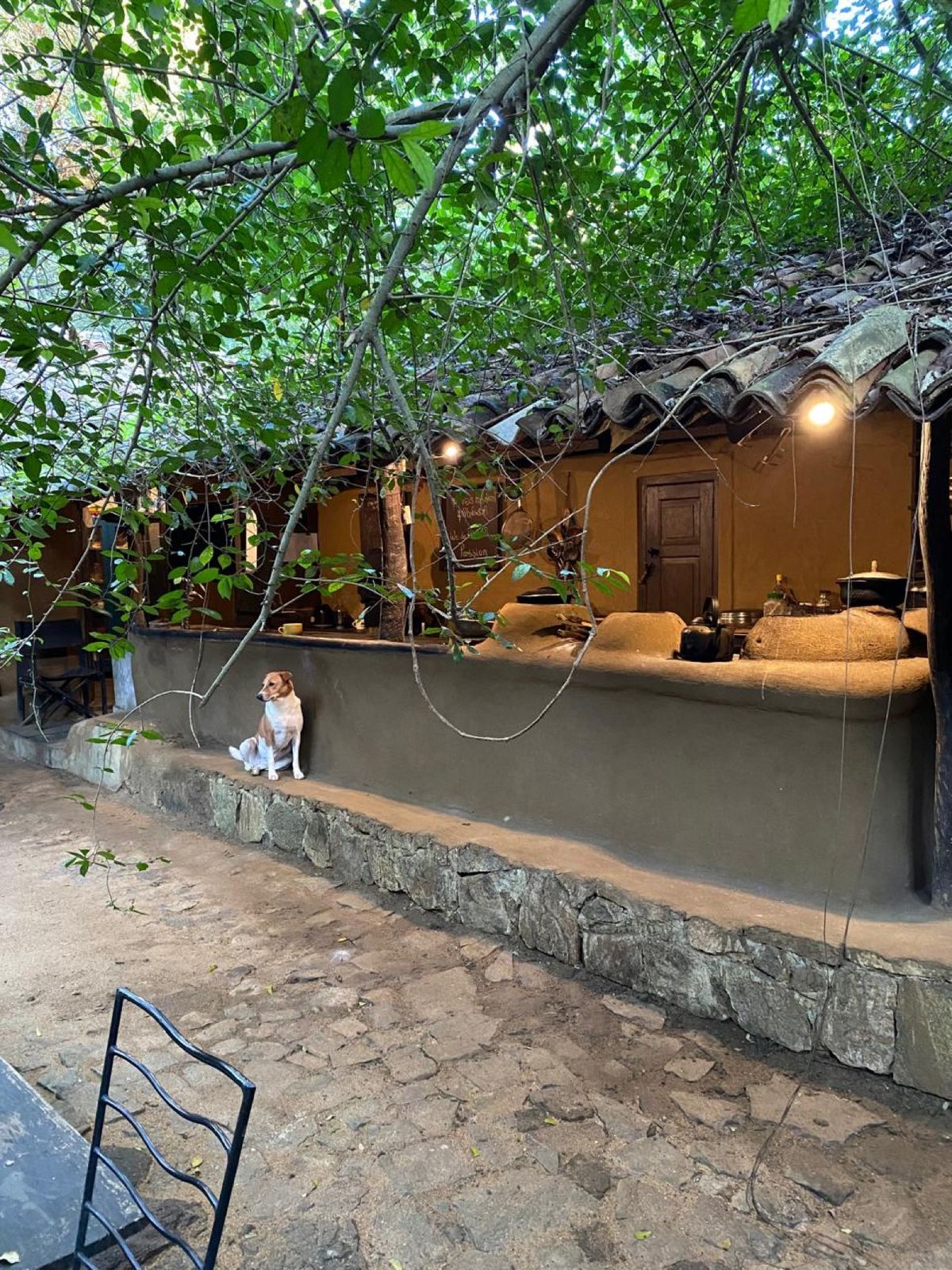
19:30 — the open kitchen
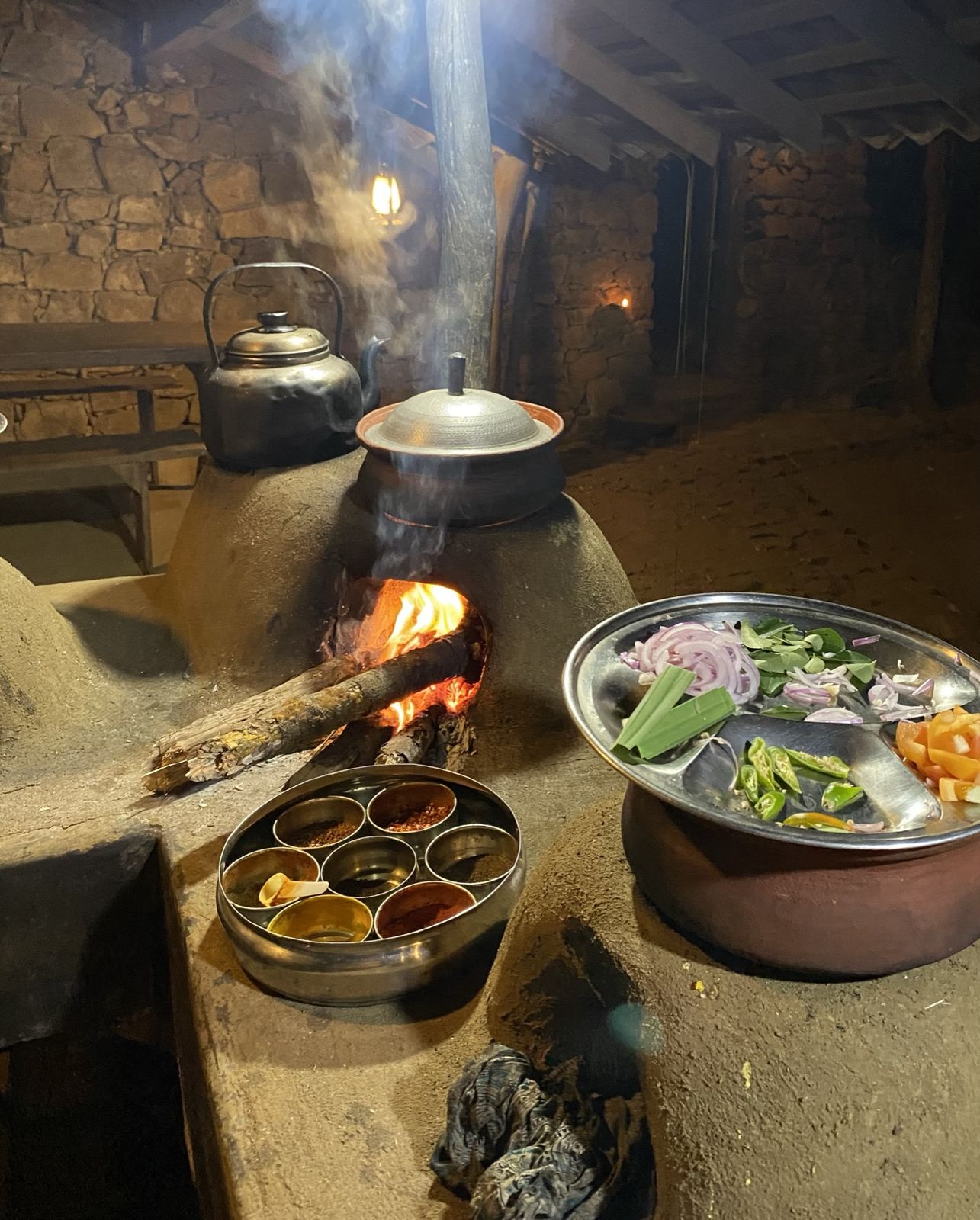
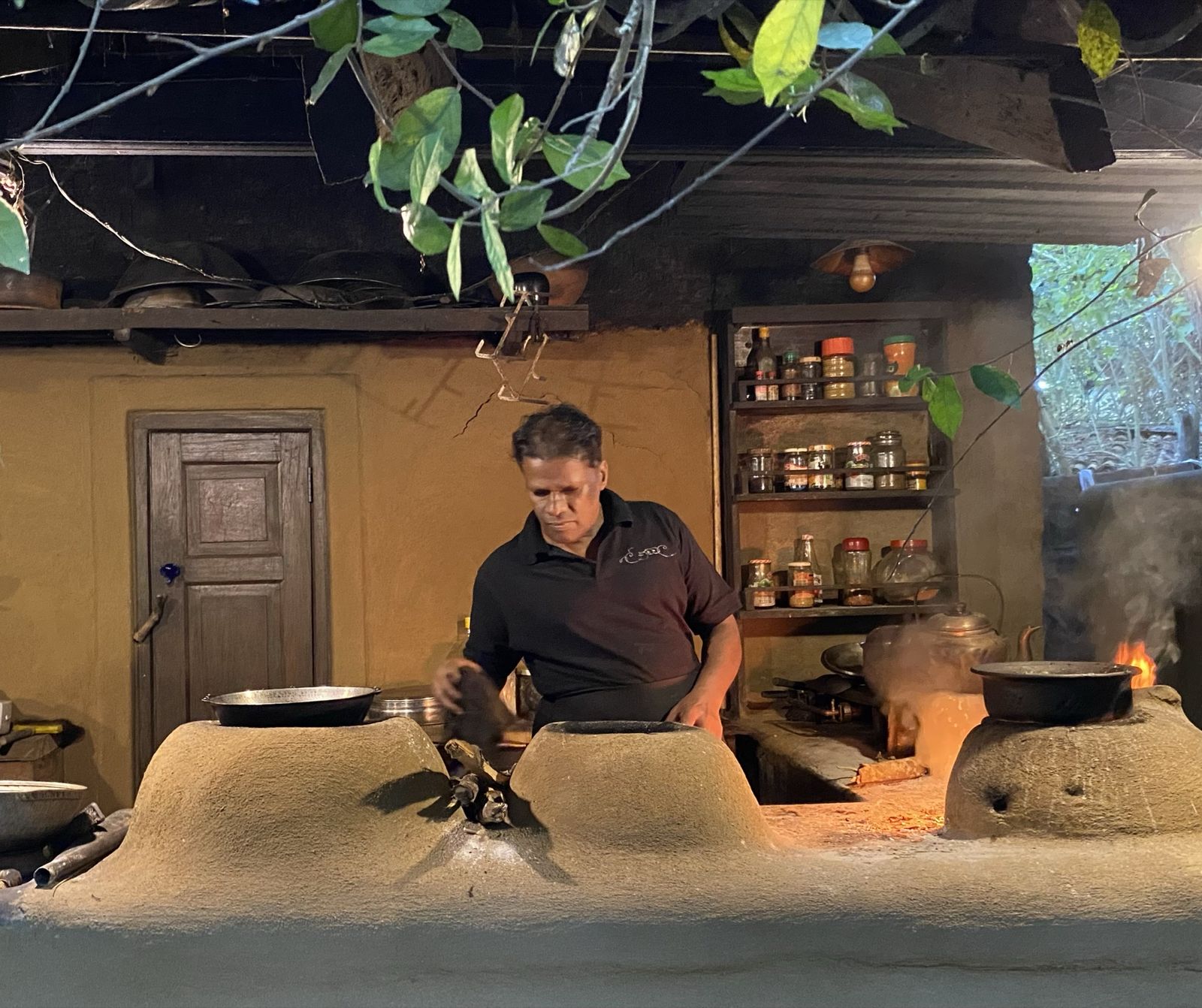
The open kitchen the heart of Galkadawala
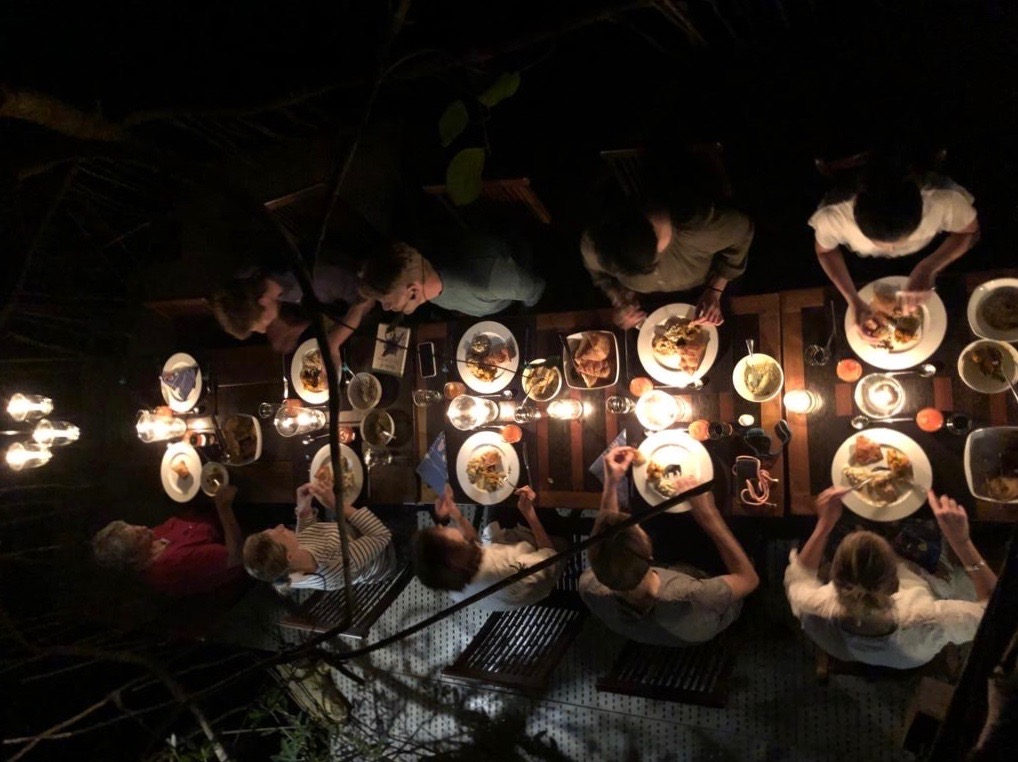
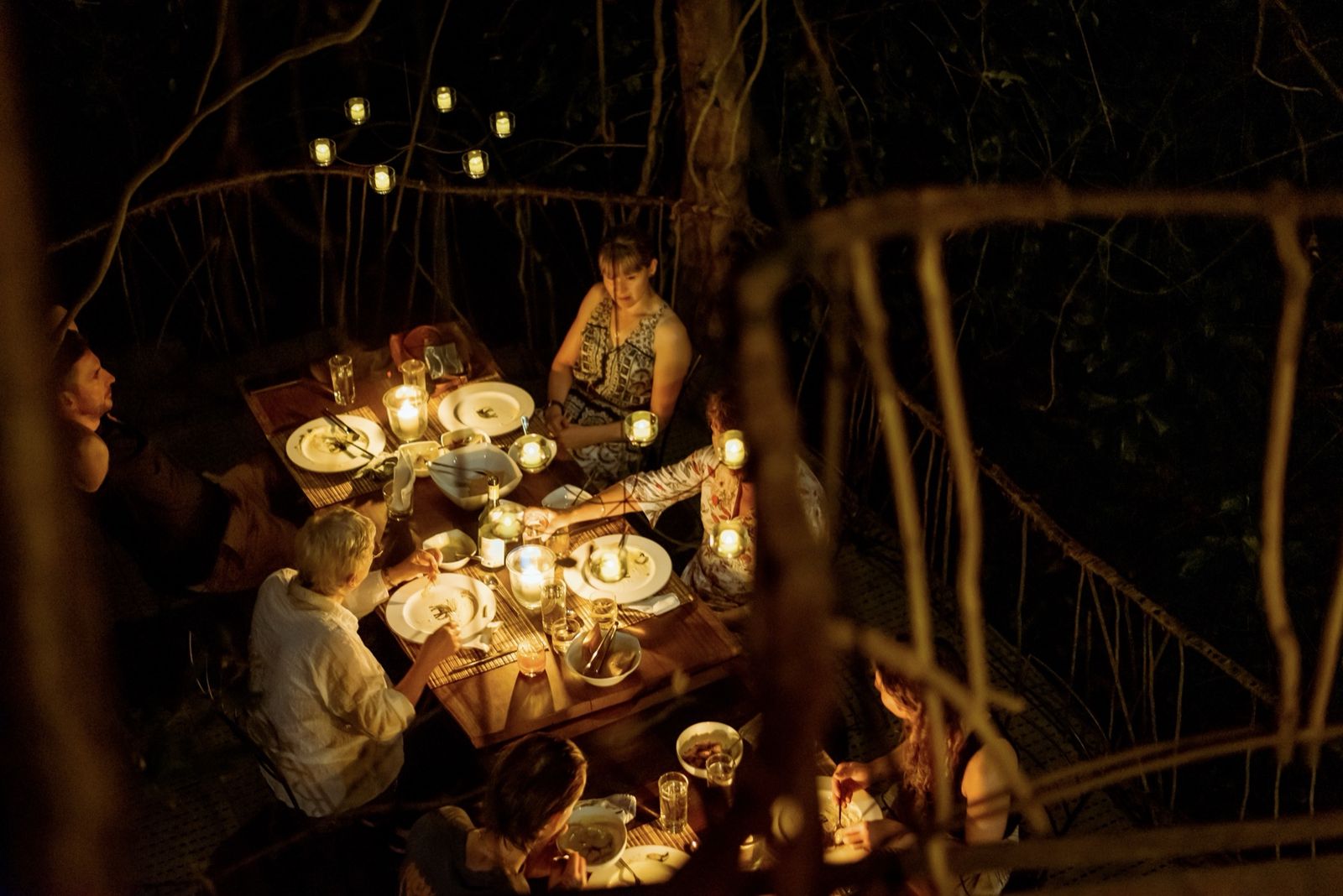
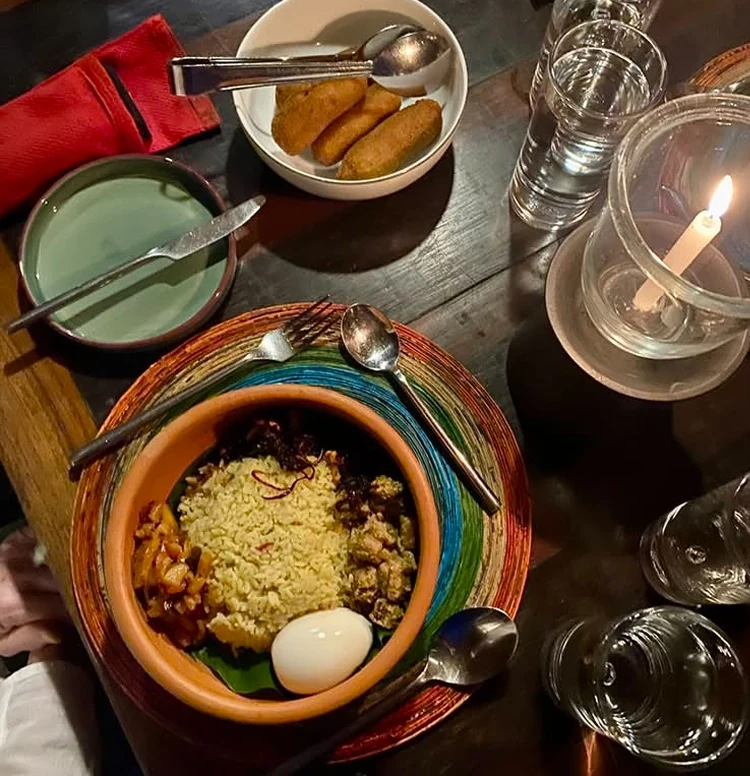
All meals are an integral part of the Galkadawala experience. Traditional Sri Lankan
recipes form the essence of our vegetarian and vegan menus, lovingly prepared using
fresh local ingredients.
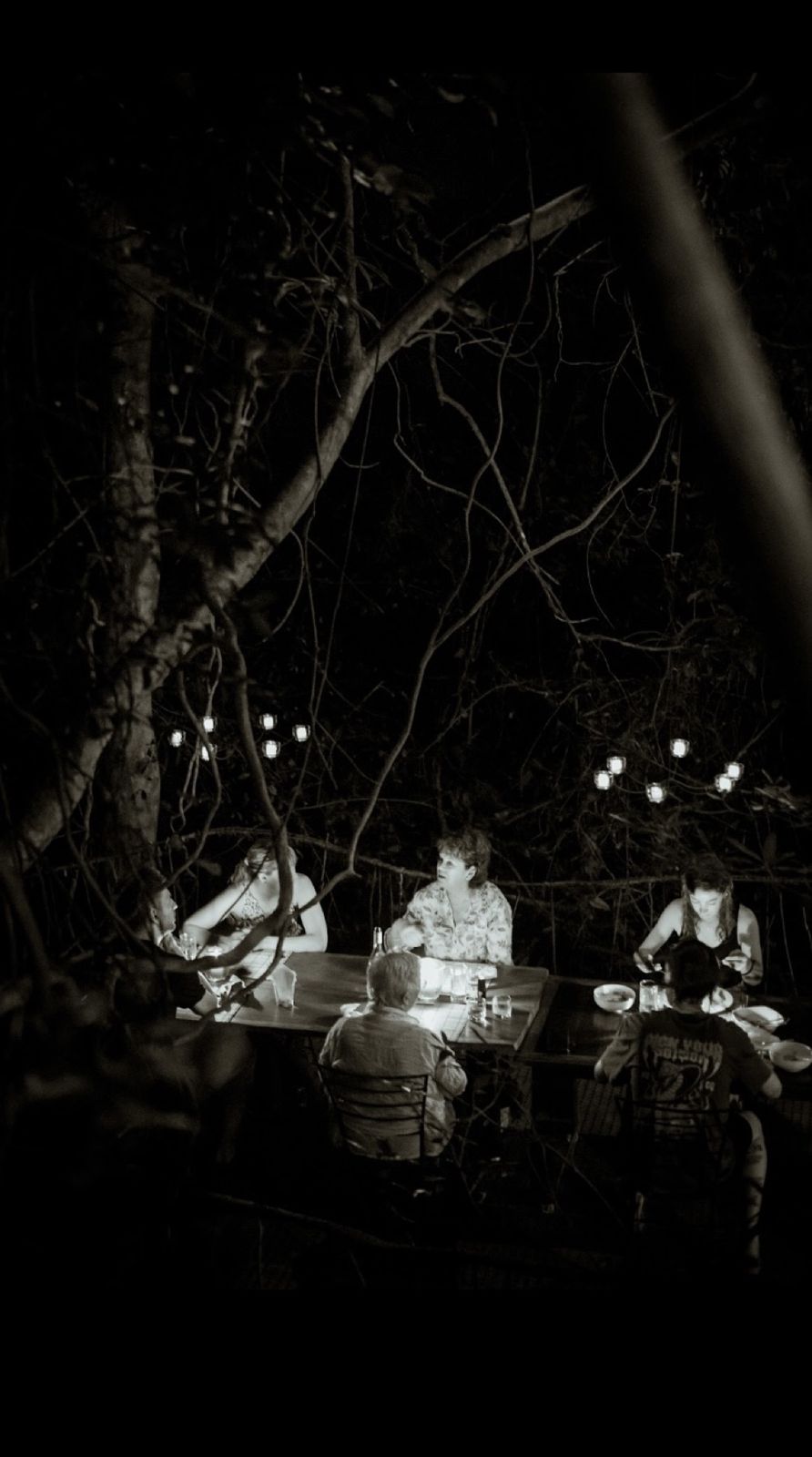
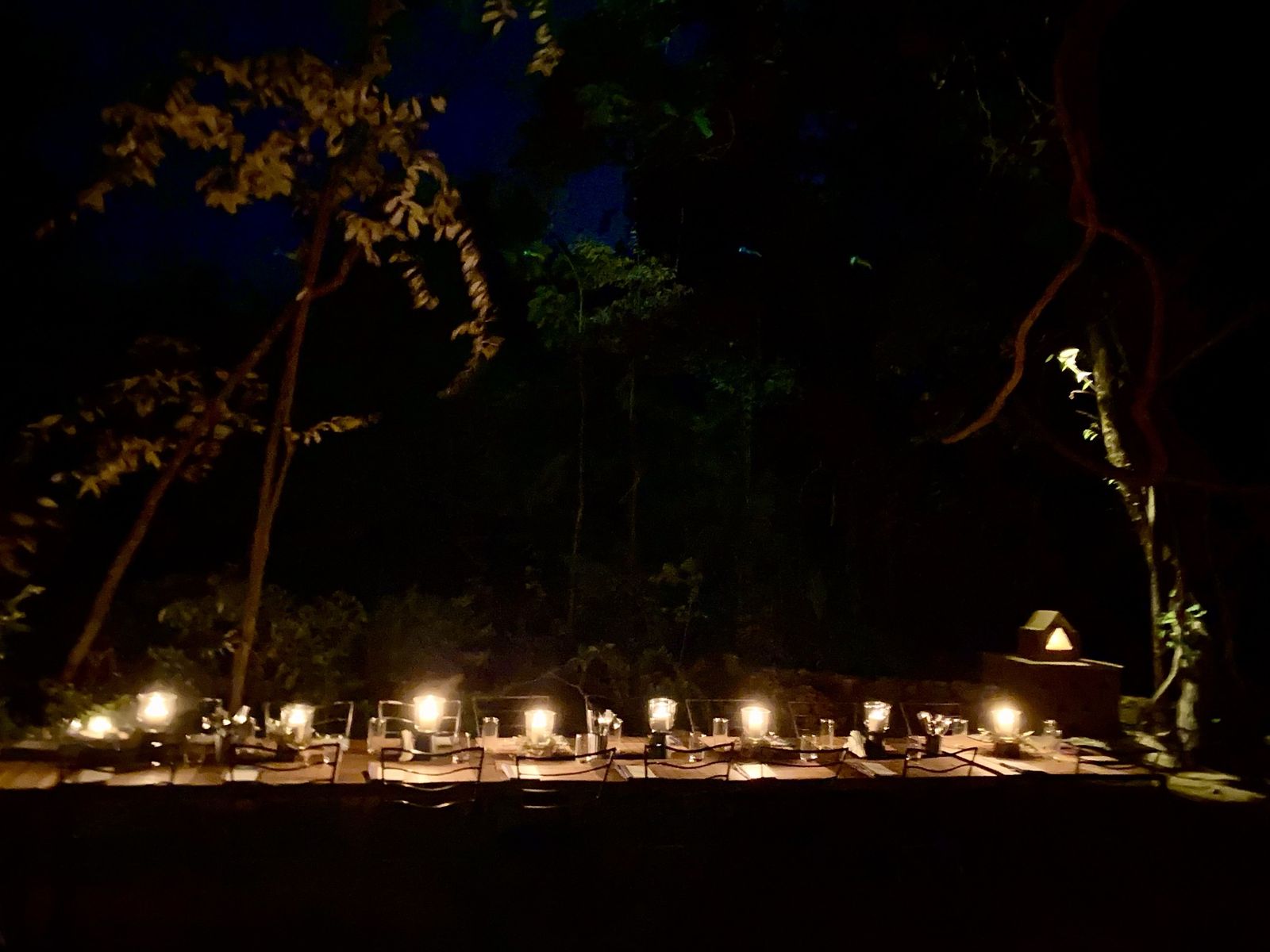
Around the shared dining table, stories are exchanged, cultures connect and
friendships are formed among guests from around the world – many lasting long after
the journey has ended.
06:00, again — time to explore
Explore the Cultural Triangle and Beyond
On some days, you may wish to venture beyond the forest to explore the ancient
heritage and wildlife of the surrounding region.
Galkadawala lies at the heart of Sri Lanka’s Cultural Triangle, within easy
reach of its principal heritage sites, forest monasteries and wildlife parks.
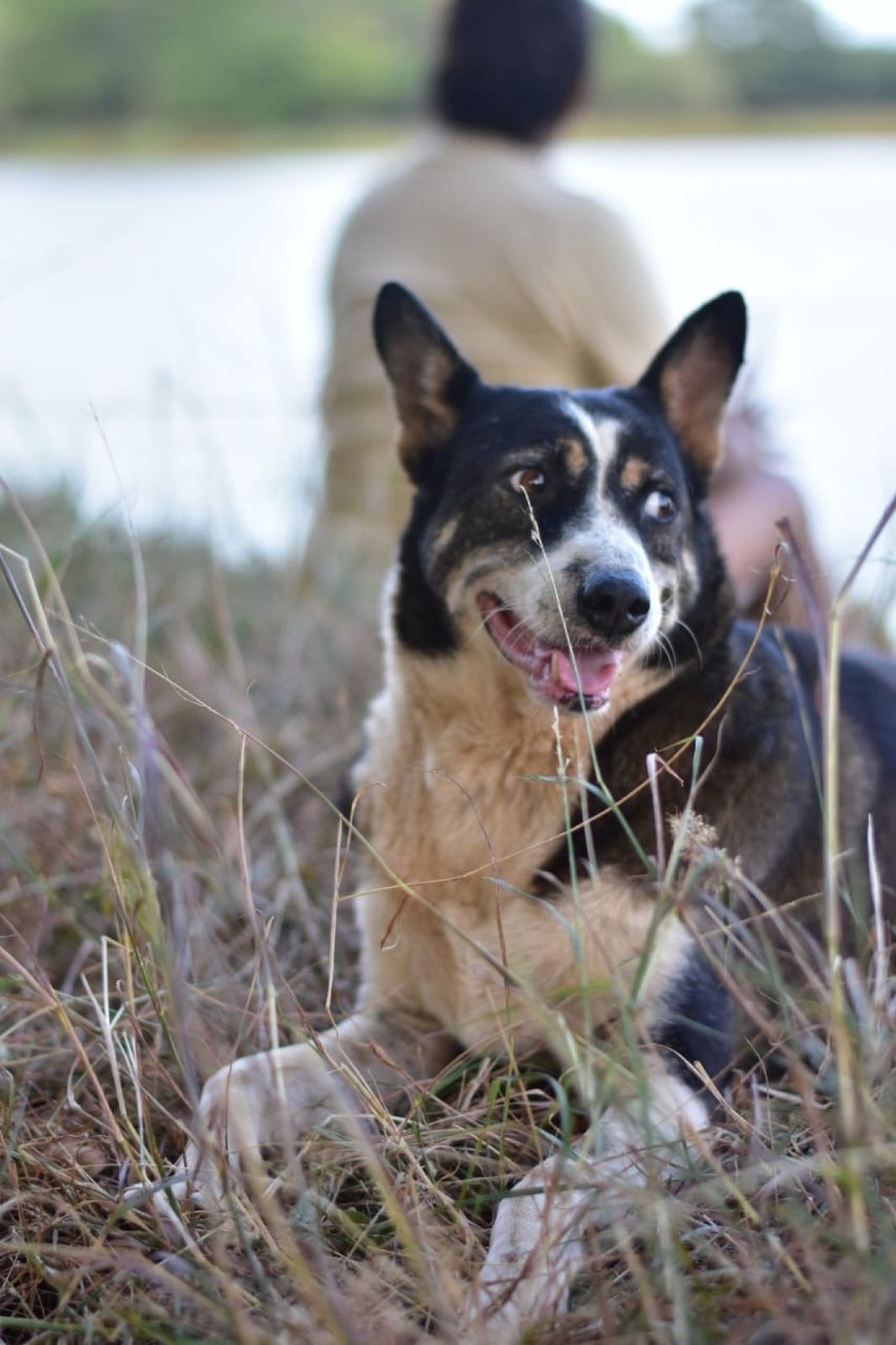
Maulie lives permanently at Galkadawala and is available to help guests plan
their stay. Having travelled extensively throughout Sri Lanka from childhood, she
is always happy to share her knowledge of the country she loves.
Excursions can be arranged with members of the surrounding community, including
trusted local drivers, guides and responsible safari-jeep operators.
Our drivers maintain a respectful distance from elephants and other wildlife,
without chasing or crowding them. Visits are carefully timed, wherever possible, to
avoid the congestion of safari jeeps within the wildlife parks and to ensure a quieter,
more responsible experience.
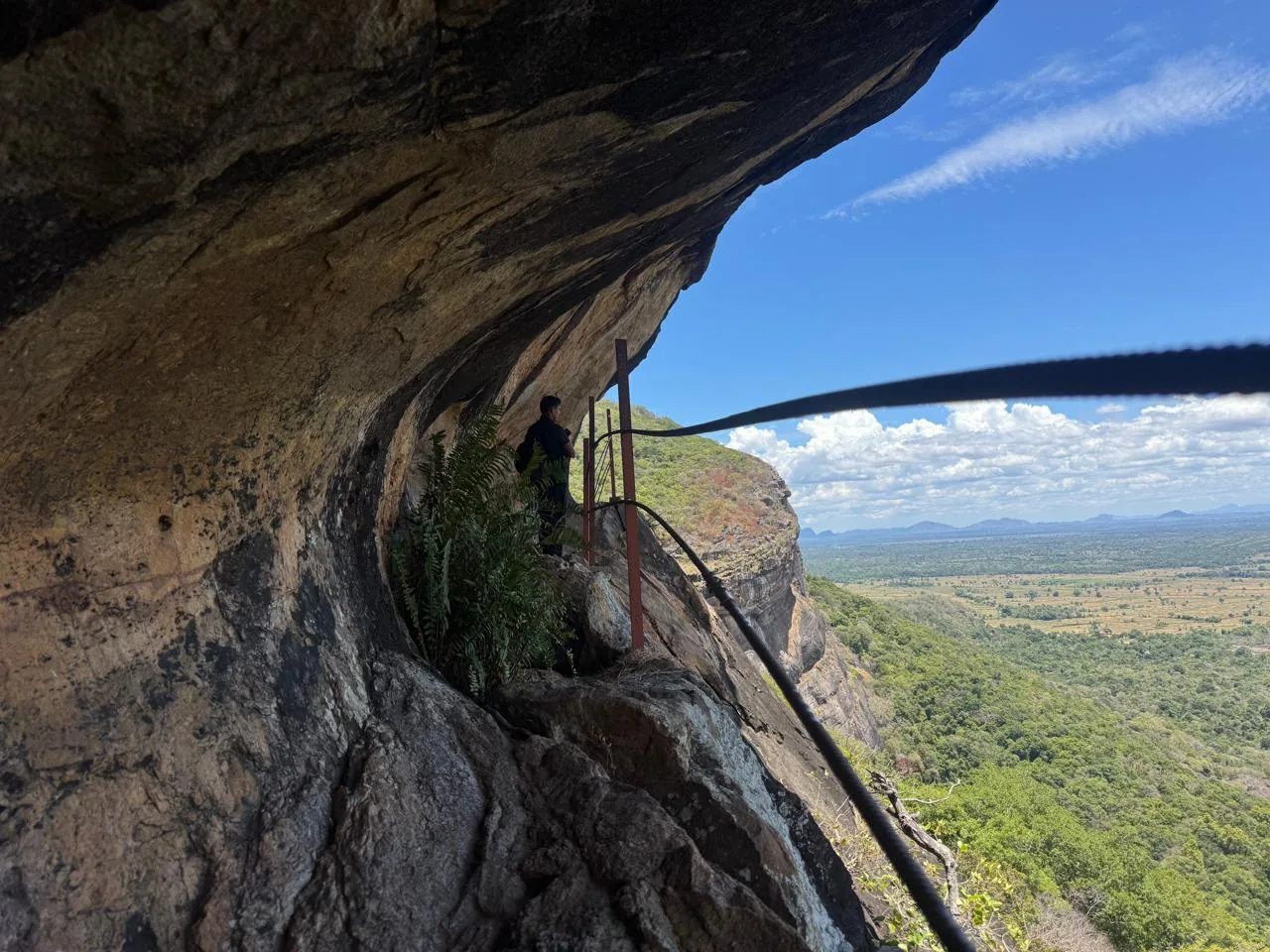
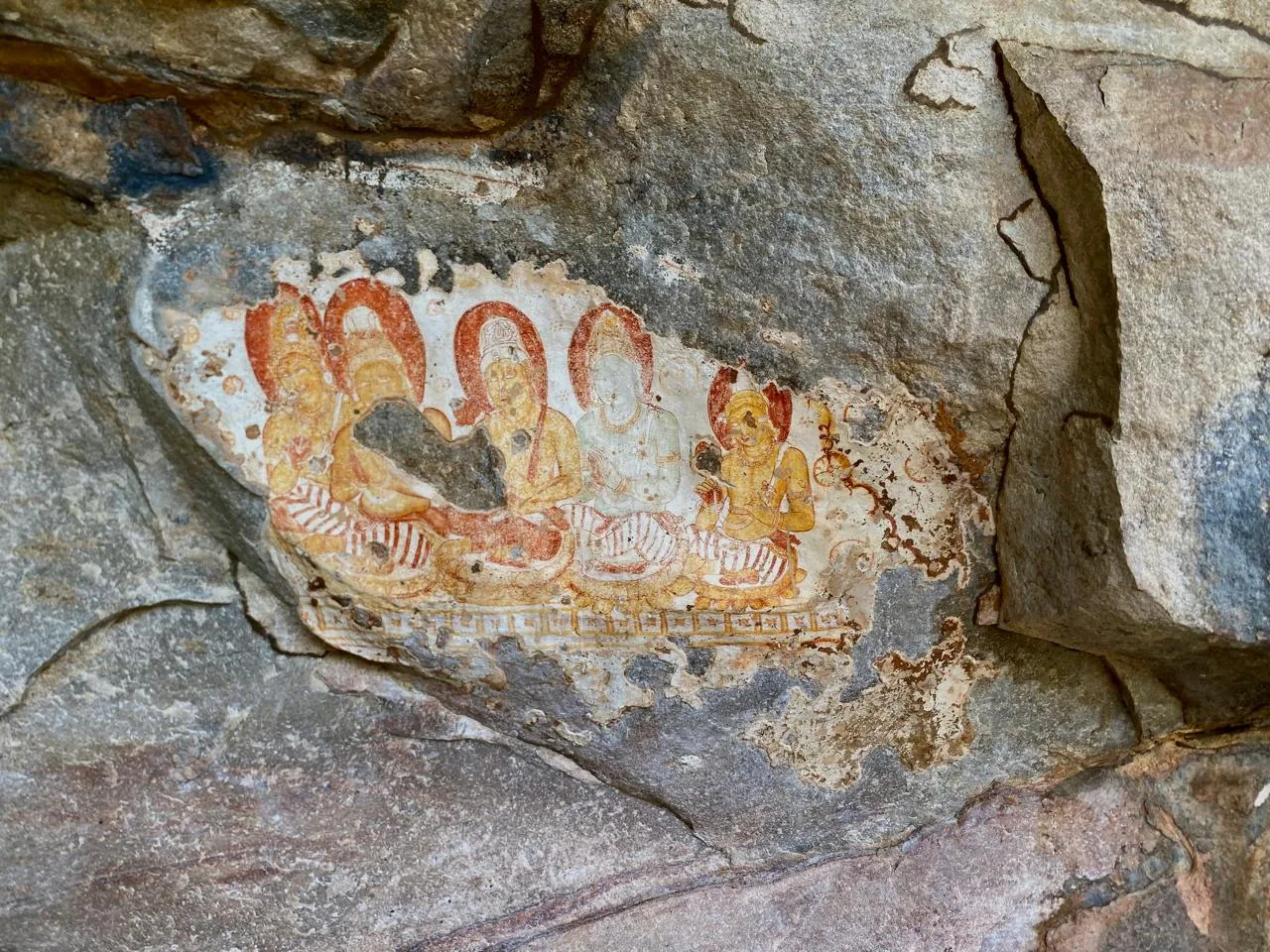
PolonnaruwaRitigalaphoto Luxmi RathoreDambulla Cave TempleDambulla Cave TempleSigiriya, at the summitAnuradhapuraMinneriyaphoto Luxshman NadarajaKaudulla National Parkphoto Luxmi RathorePolonnaruwaRitigalaphoto Luxmi RathoreDambulla Cave TempleDambulla Cave TempleSigiriya, at the summitAnuradhapuraMinneriyaphoto Luxshman NadarajaKaudulla National Parkphoto Luxmi Rathore
drag the photographs sideways
Approximate travelling times from Galkadawala:
select a place to see the road from Galkadawala
a friend’s retreat
Hermit’s Lair A Journey Beyond the Ordinary
In keeping with Galkadawala’s values, we’re pleased to introduce The Hermit’s Lair,
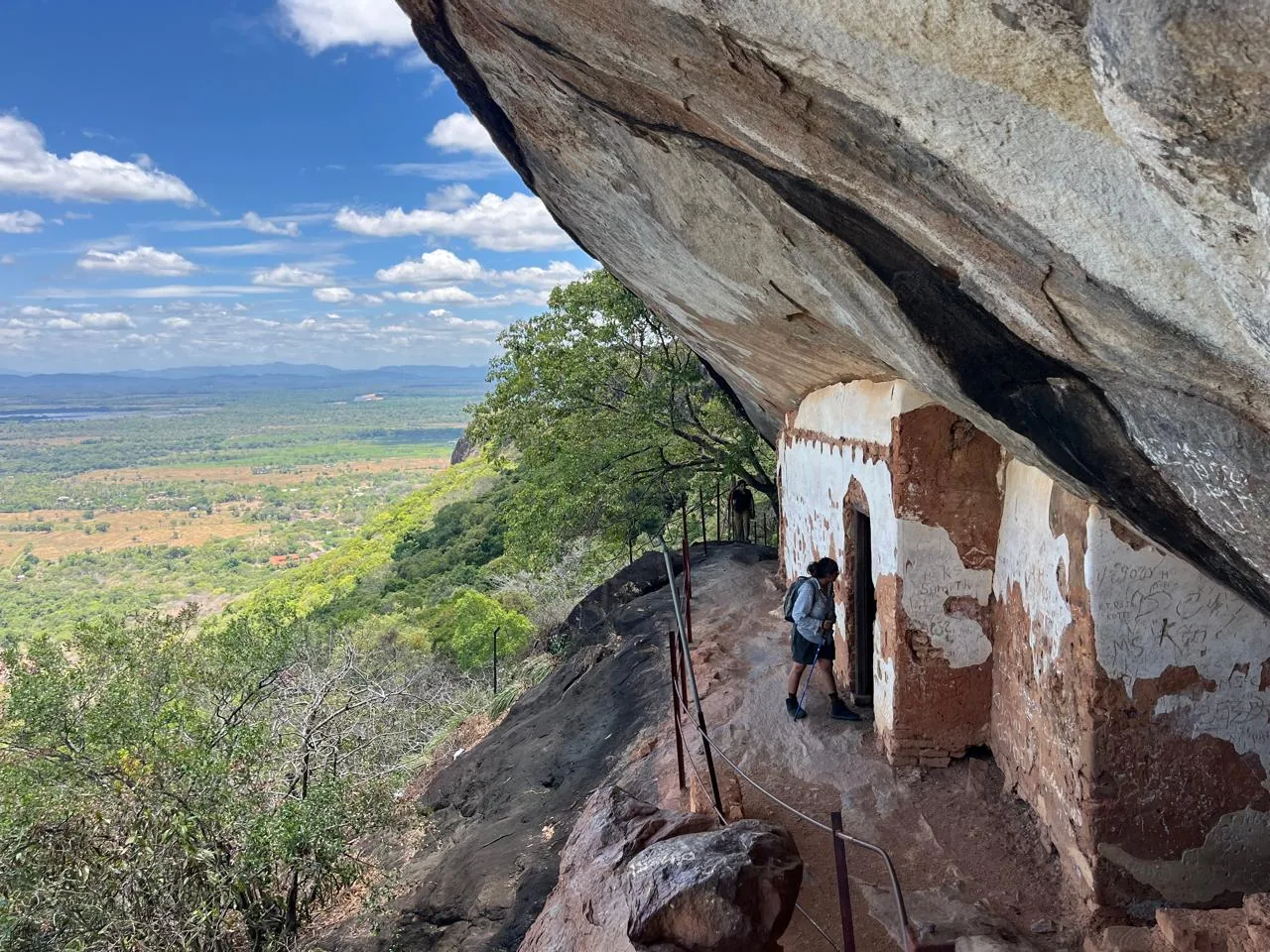
a friend’s retreat about 1½ hours away, on the way to the East Coast. They offer an 8 km
mindful hike through Dimbulagala’s ancient monastic landscape to Maraweediya, the
“Death Path,” where rock, forest and silence invite reflection and a deeper connection
with nature. You can contact Sujeewa the owner directly
+94 77 382 6714 · hermitslair.com, or we’d be happy to arrange the hike or a stay.
a friend’s forest
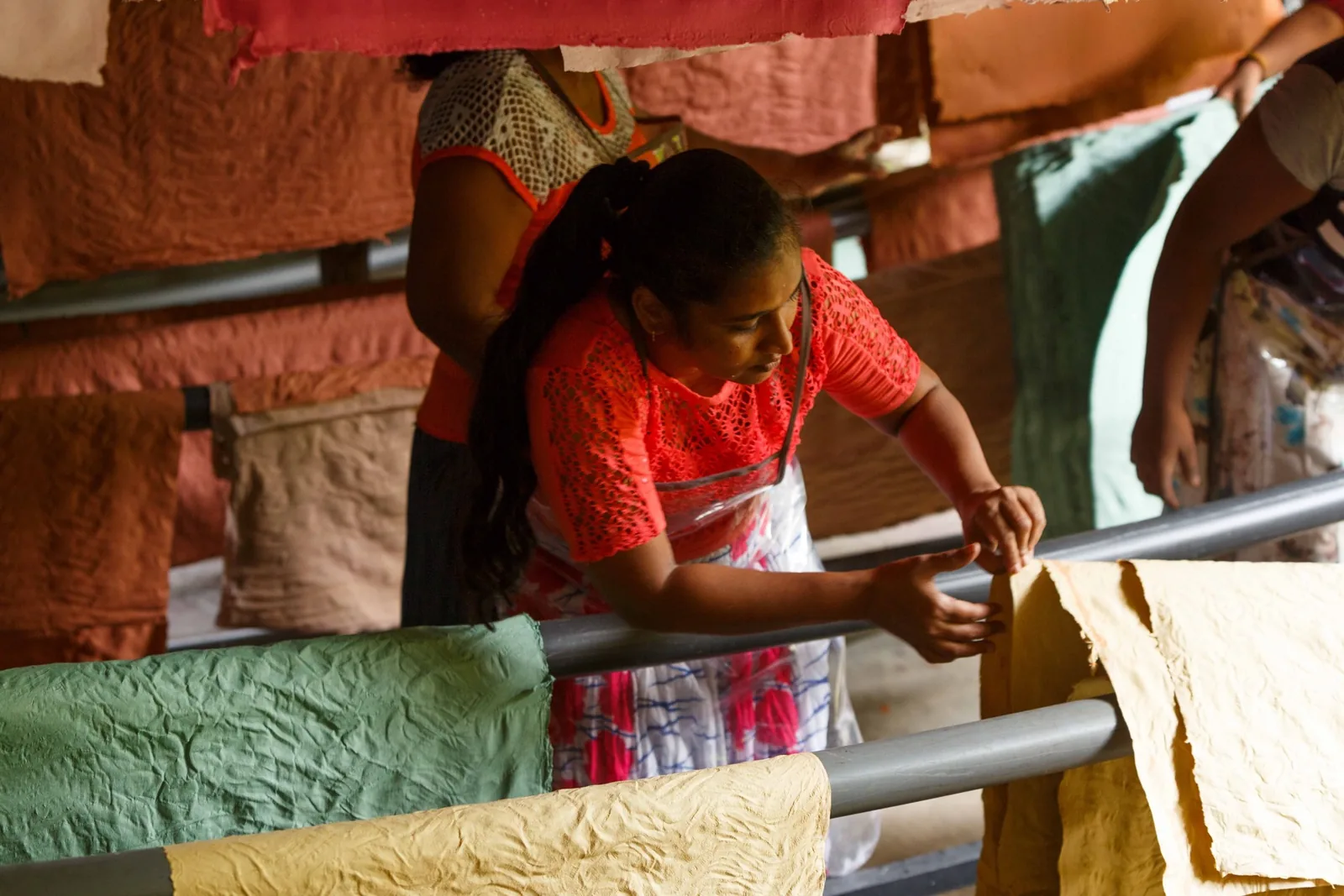
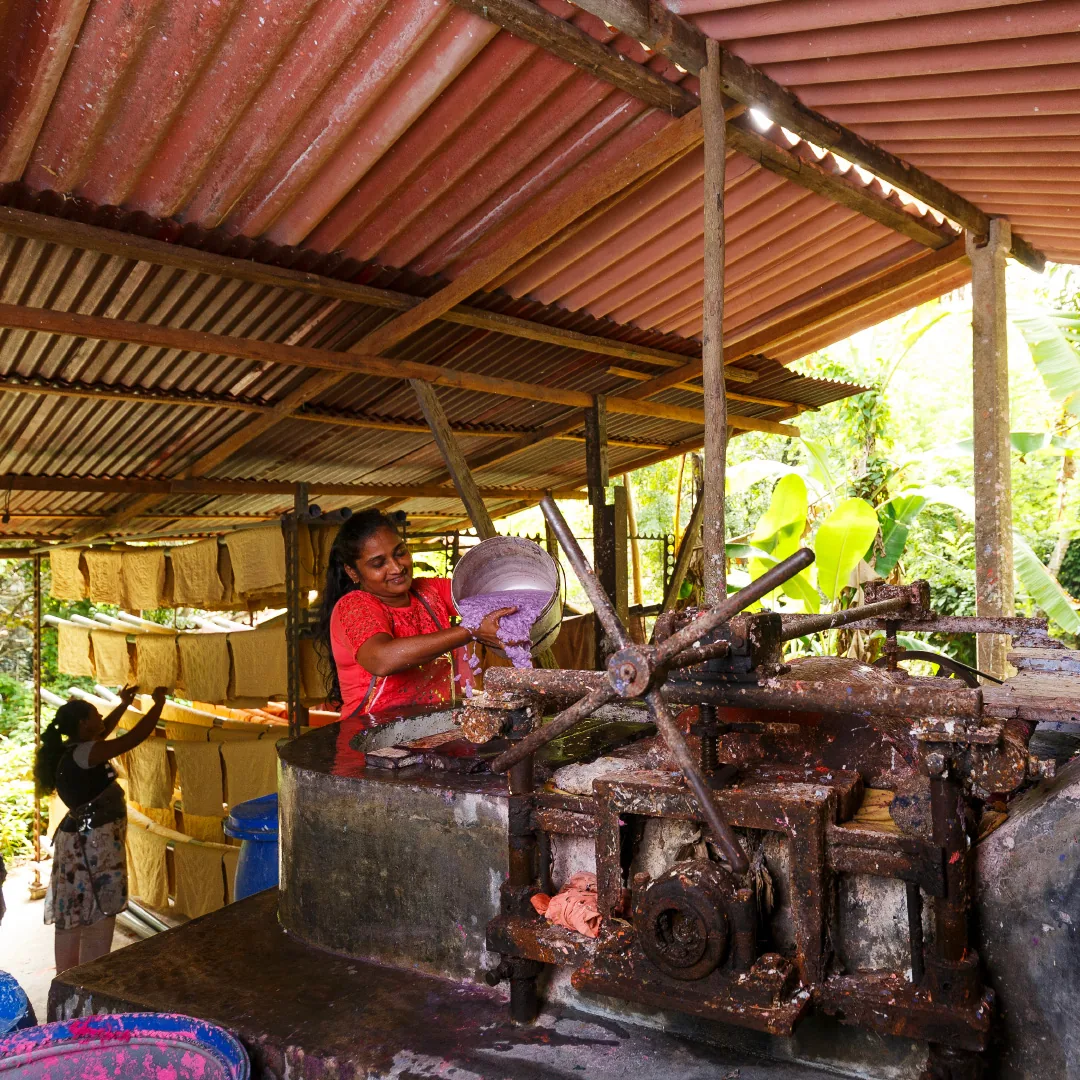
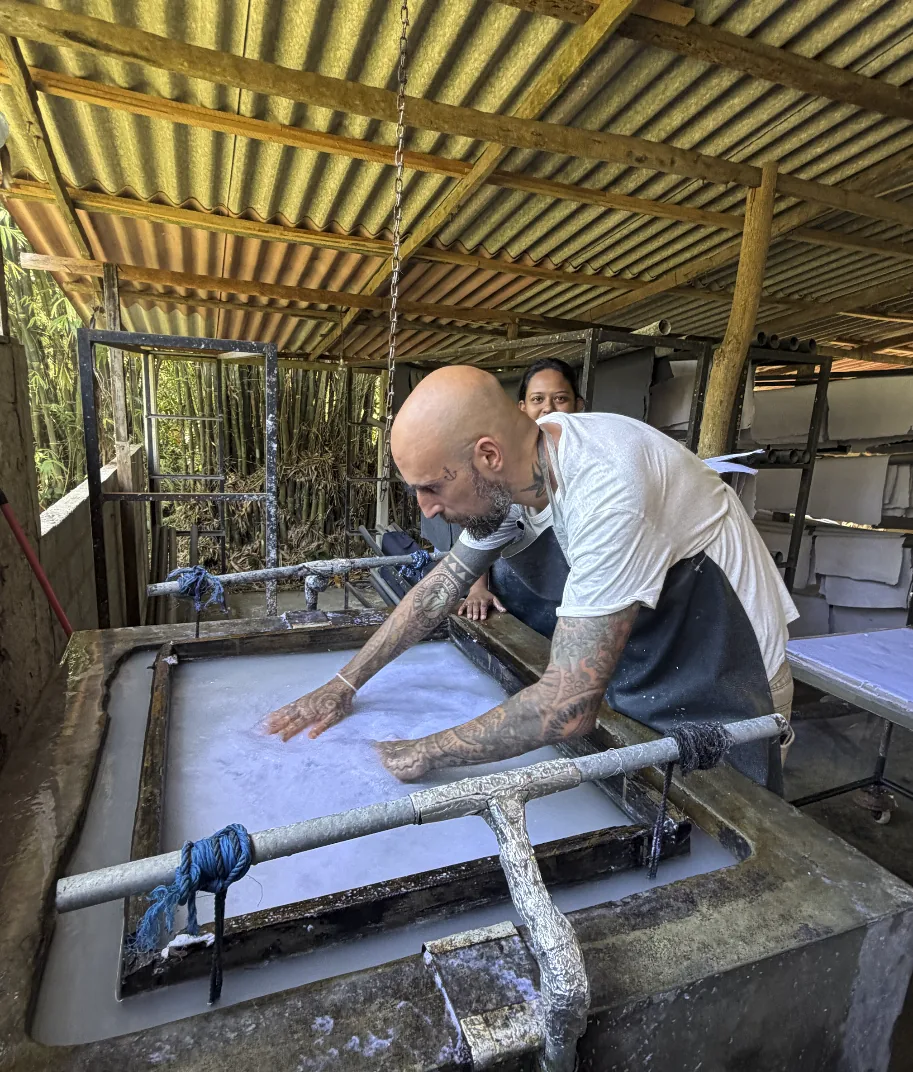
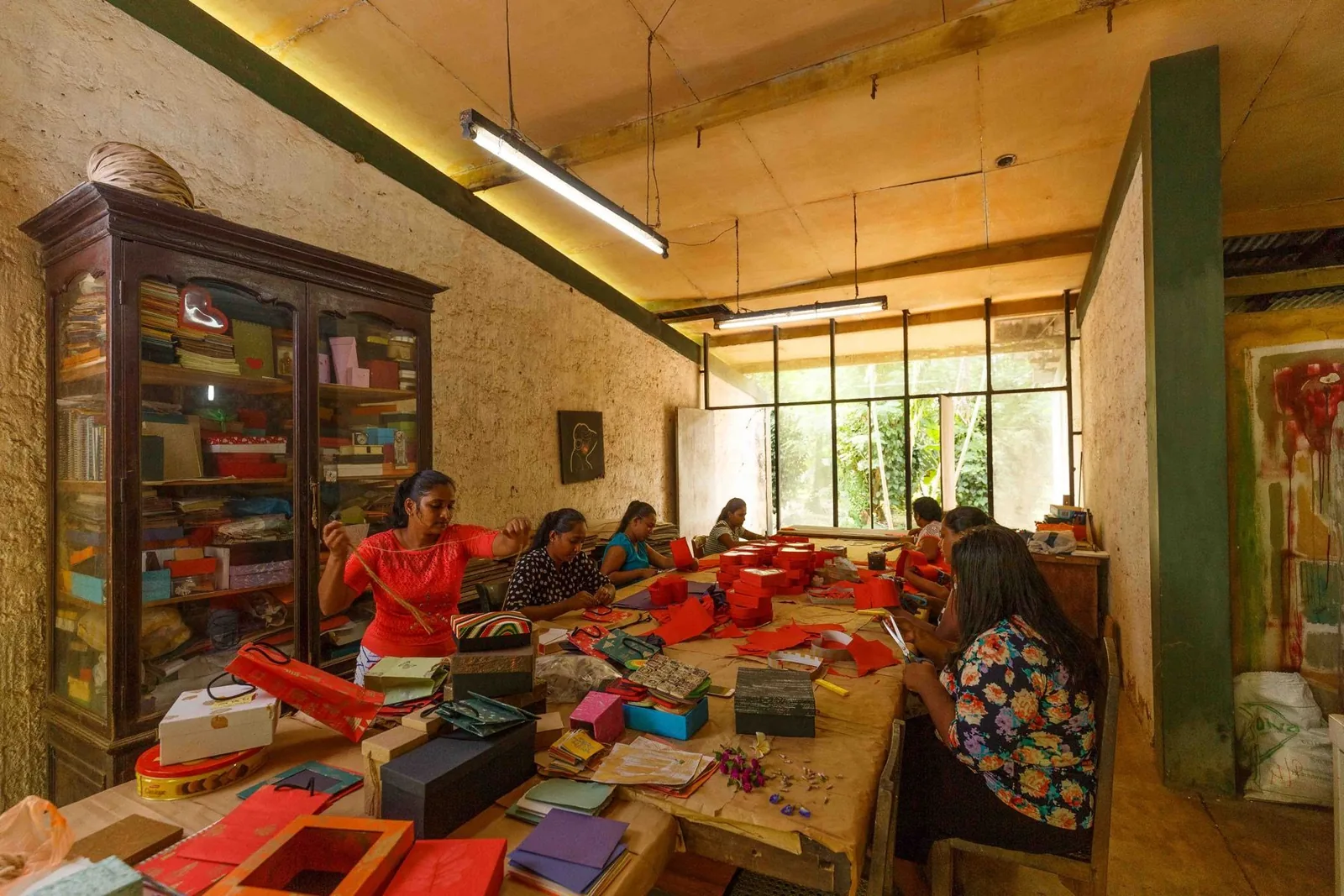
Kadadasi Walk — A Forest That Grows Paper
A dear friend’s passion lies at the heart of Kadadasi, set within a forest planted more
than forty years ago on her family’s land in Bollatha, near the airport and Negombo.
The Kadadasi Walk invites you to wander through its shaded paths, enjoy the birdsong
and discover how the forest inspires the handmade recycled paper created in its workshop.
You can try making paper yourself alongside women from nearby villages, whose skill and
creativity are at the heart of Kadadasi.
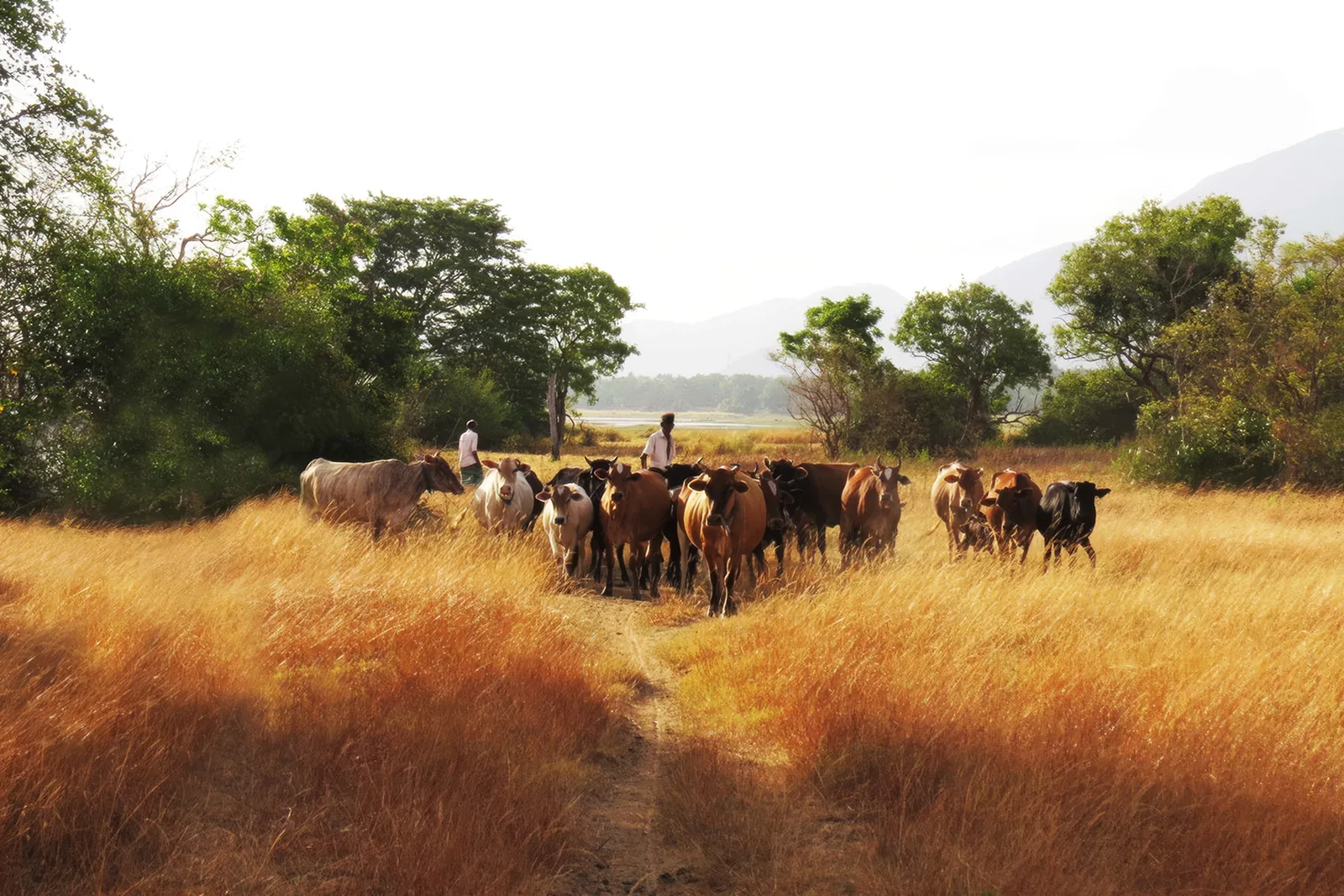
Other days may be spent closer to Galkadawala, following the paths that lead
through the forest and surrounding village landscape.
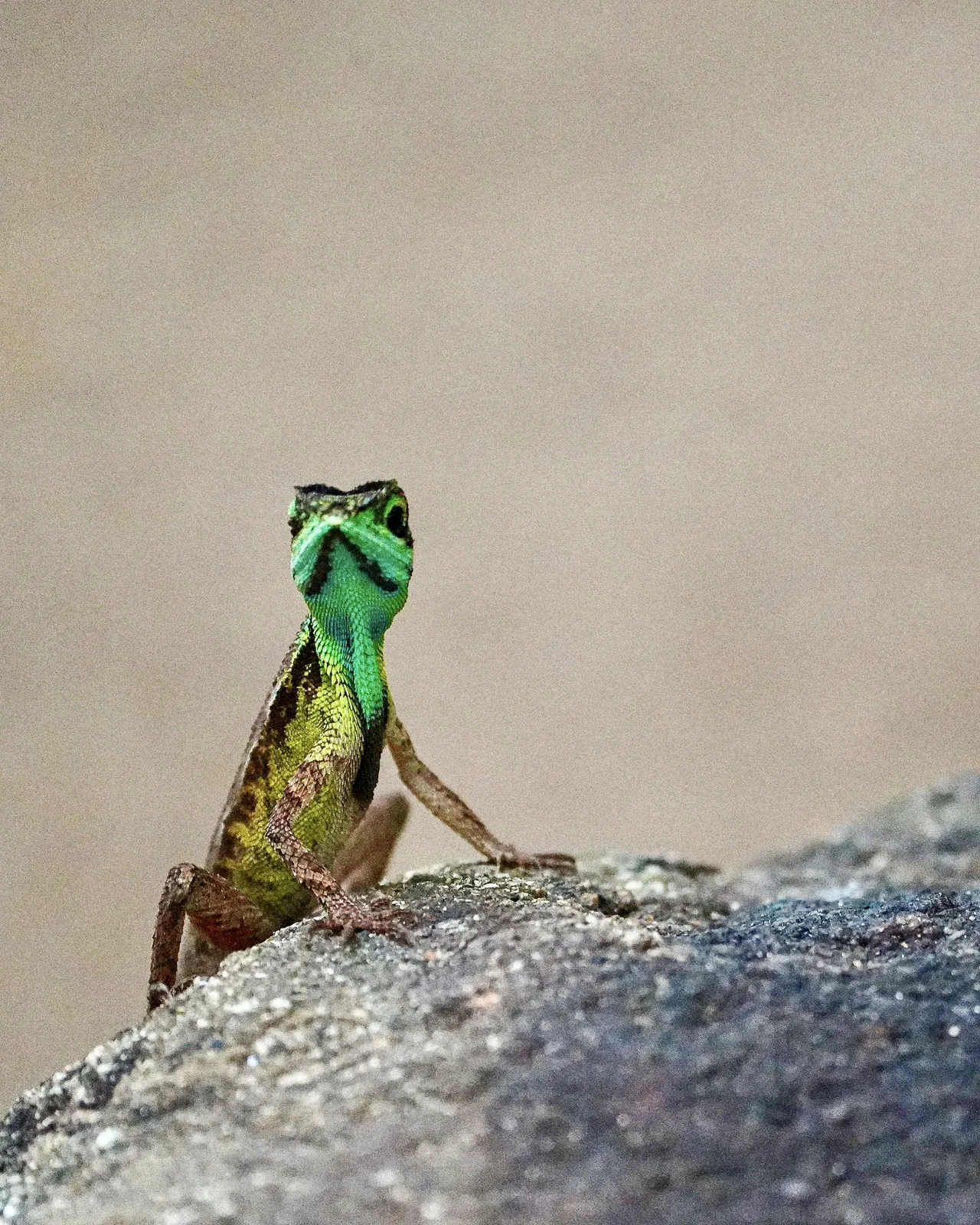
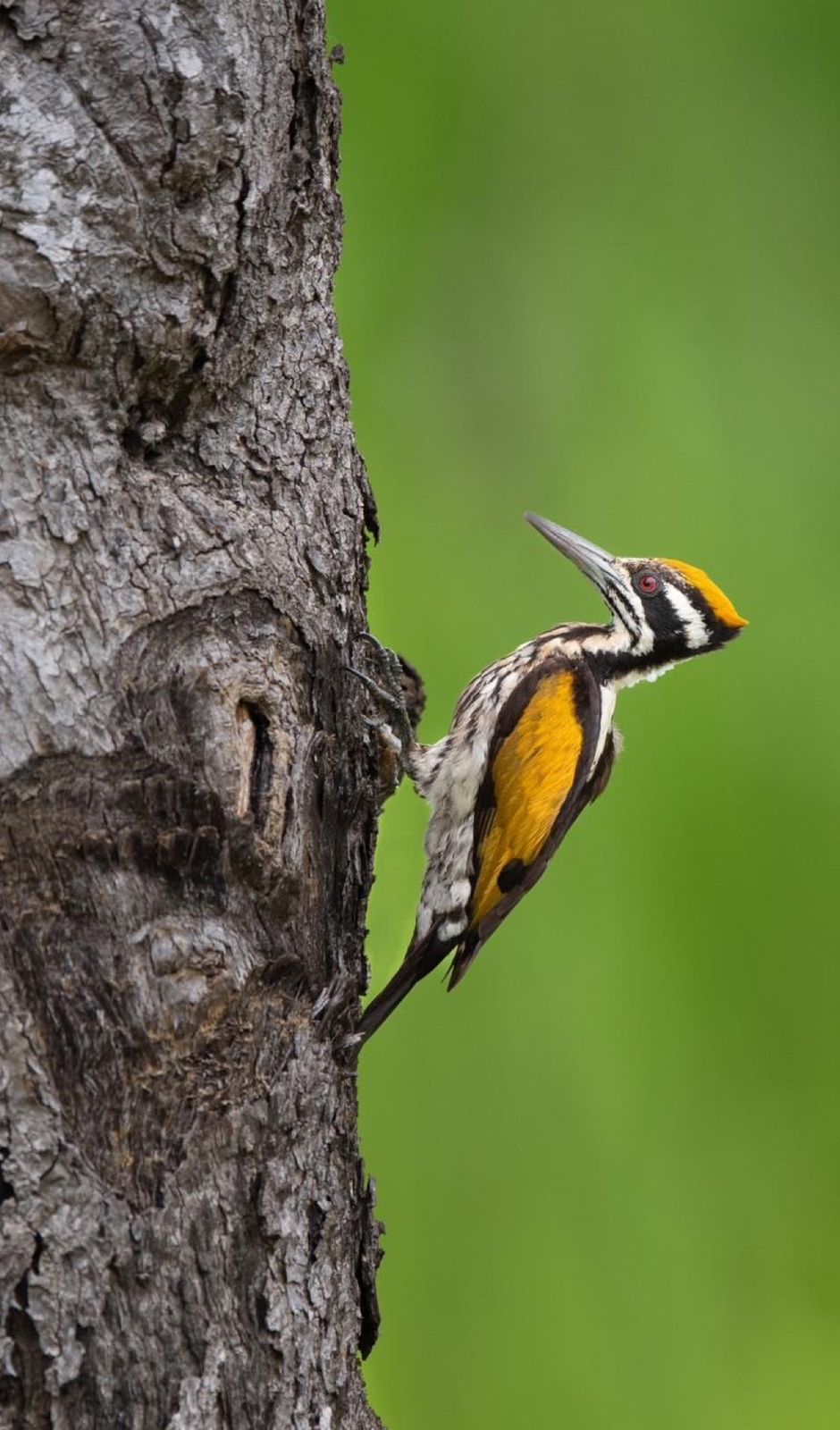
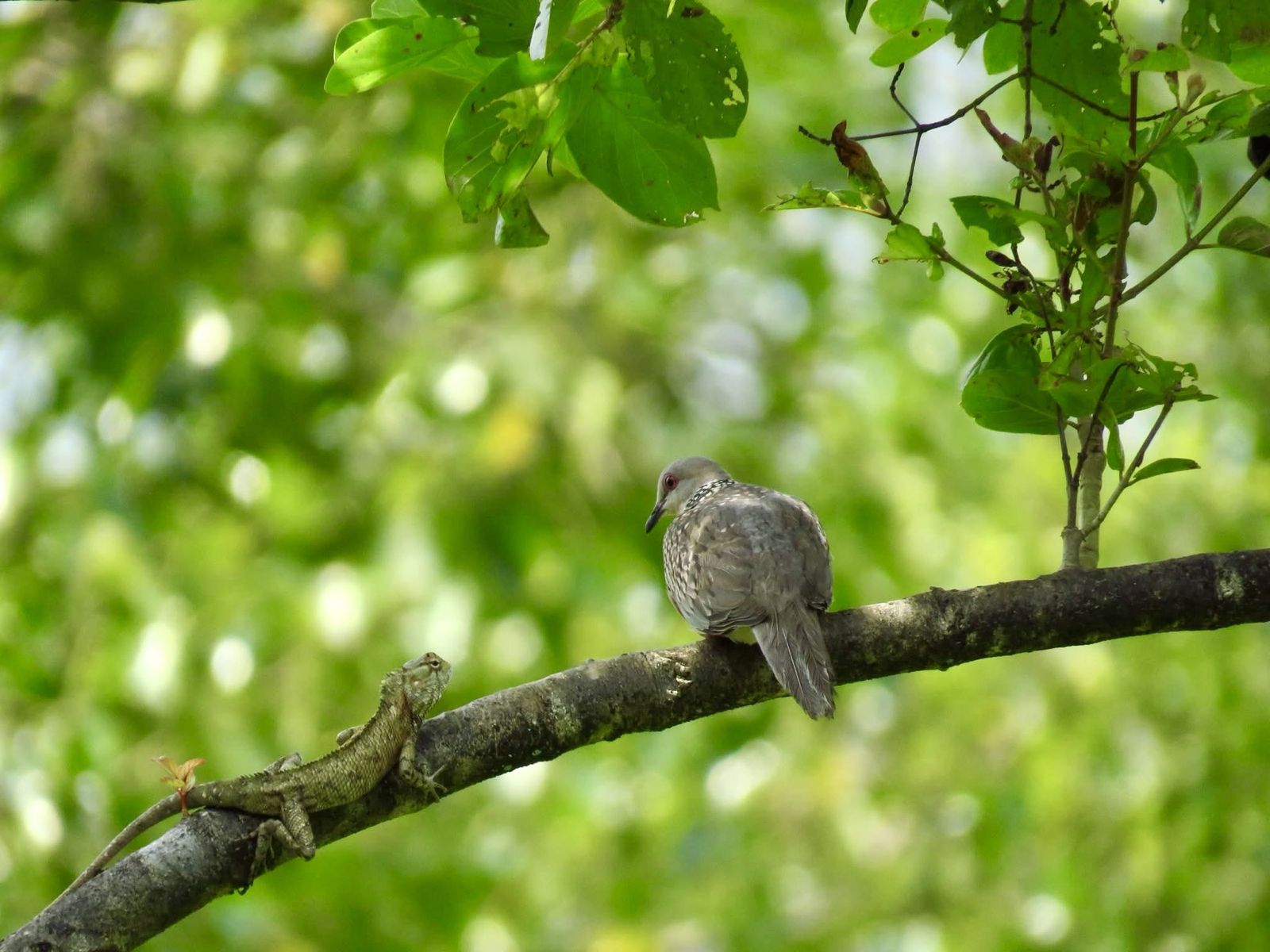
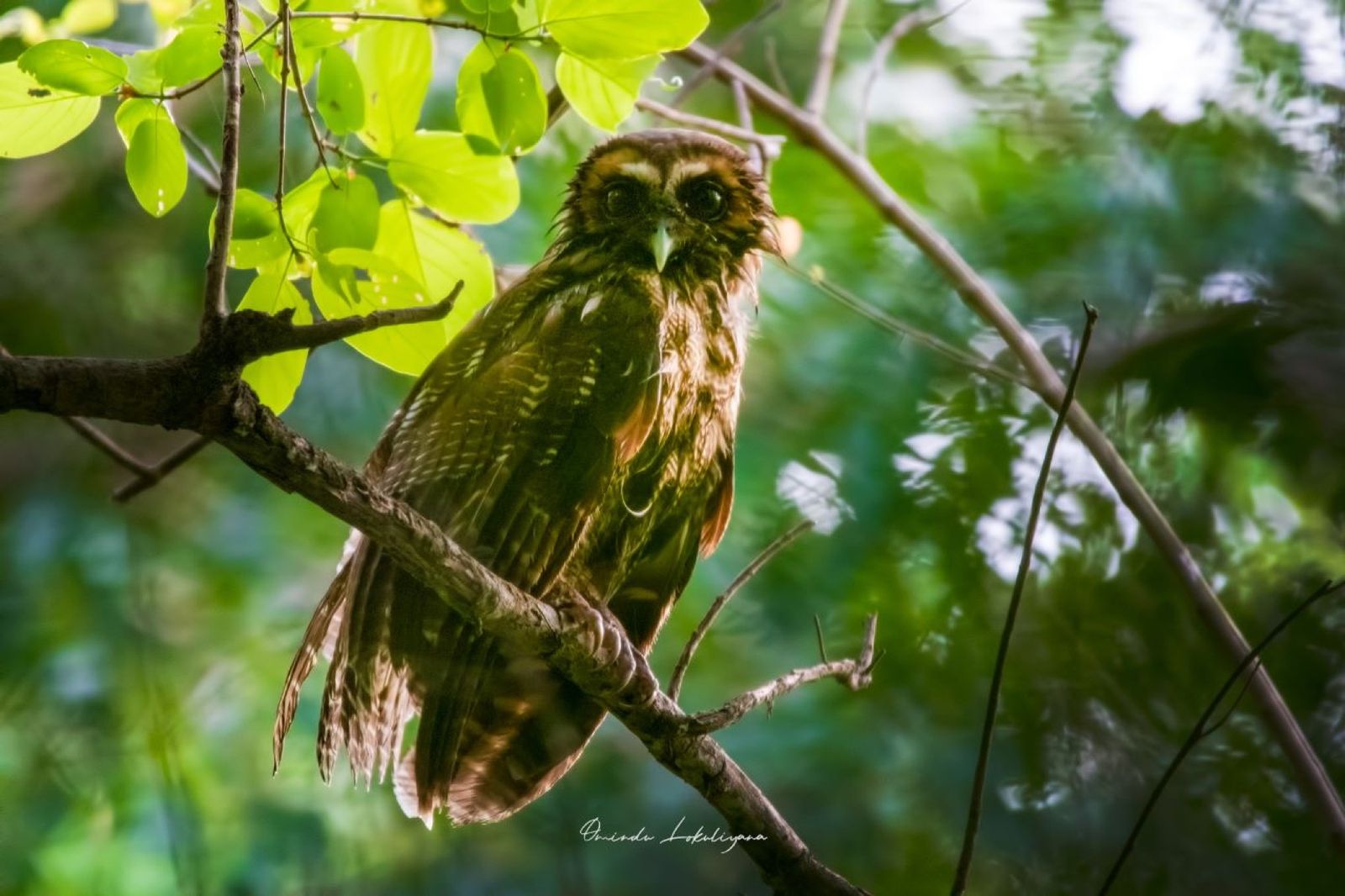
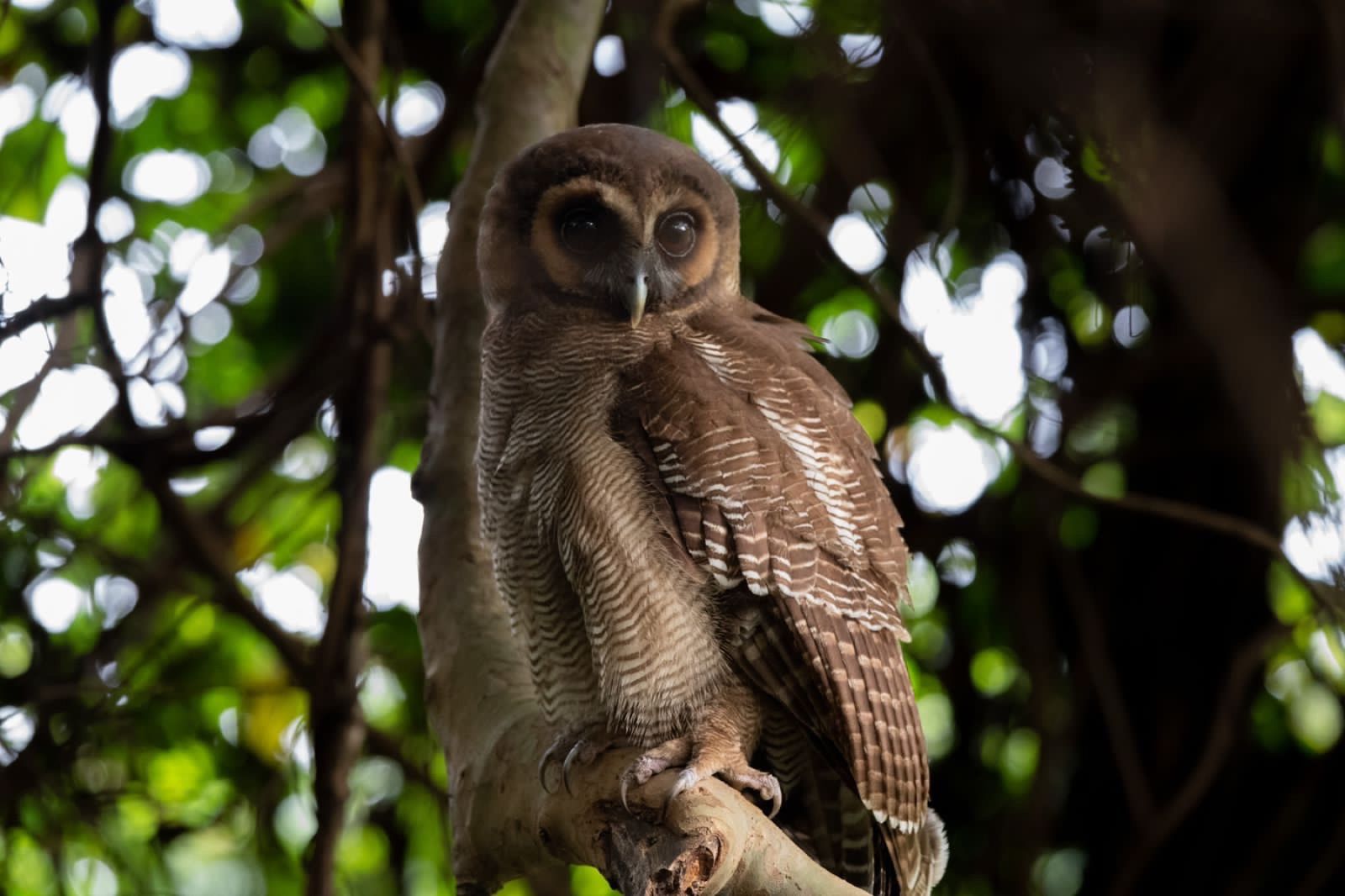
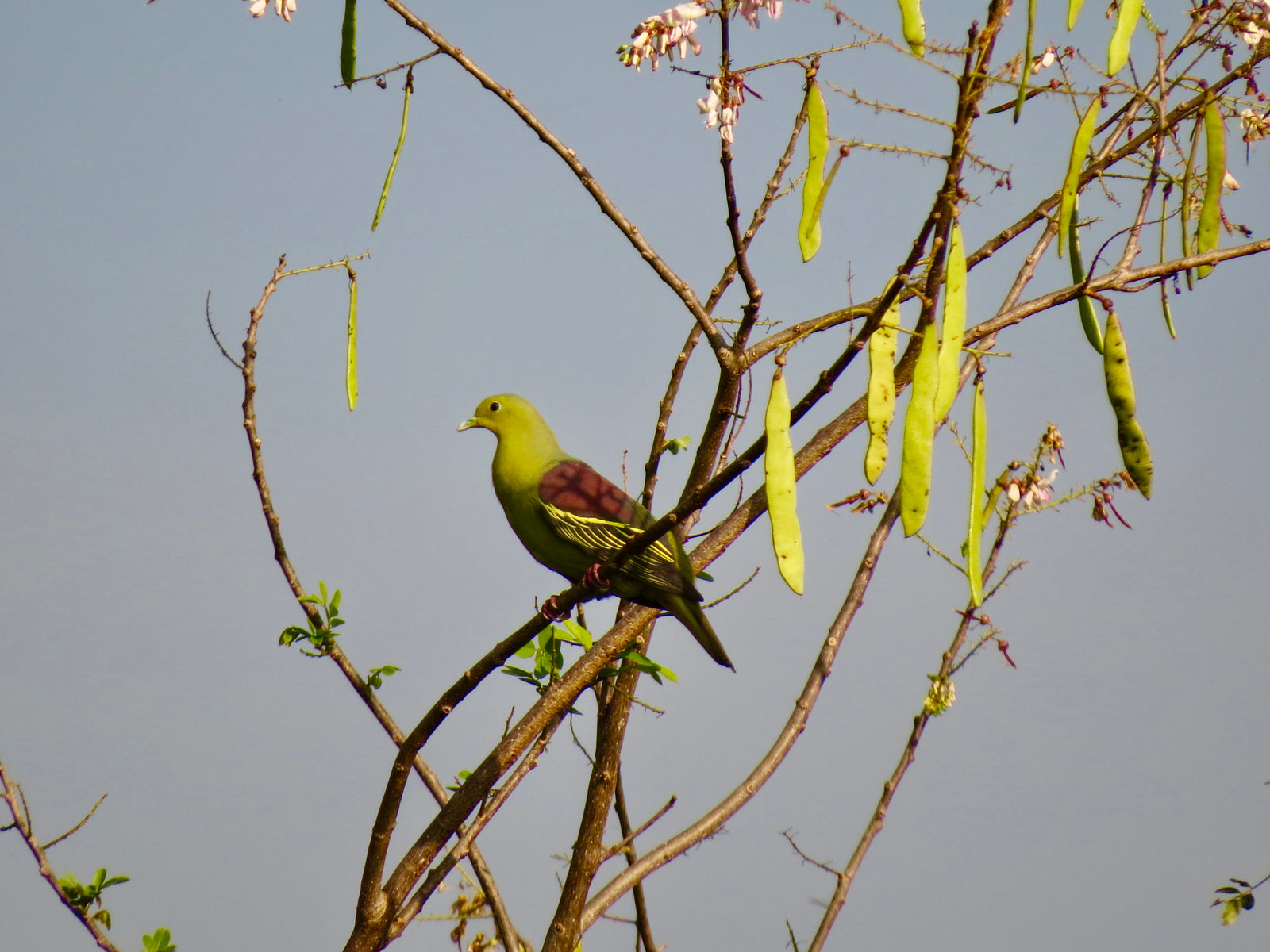
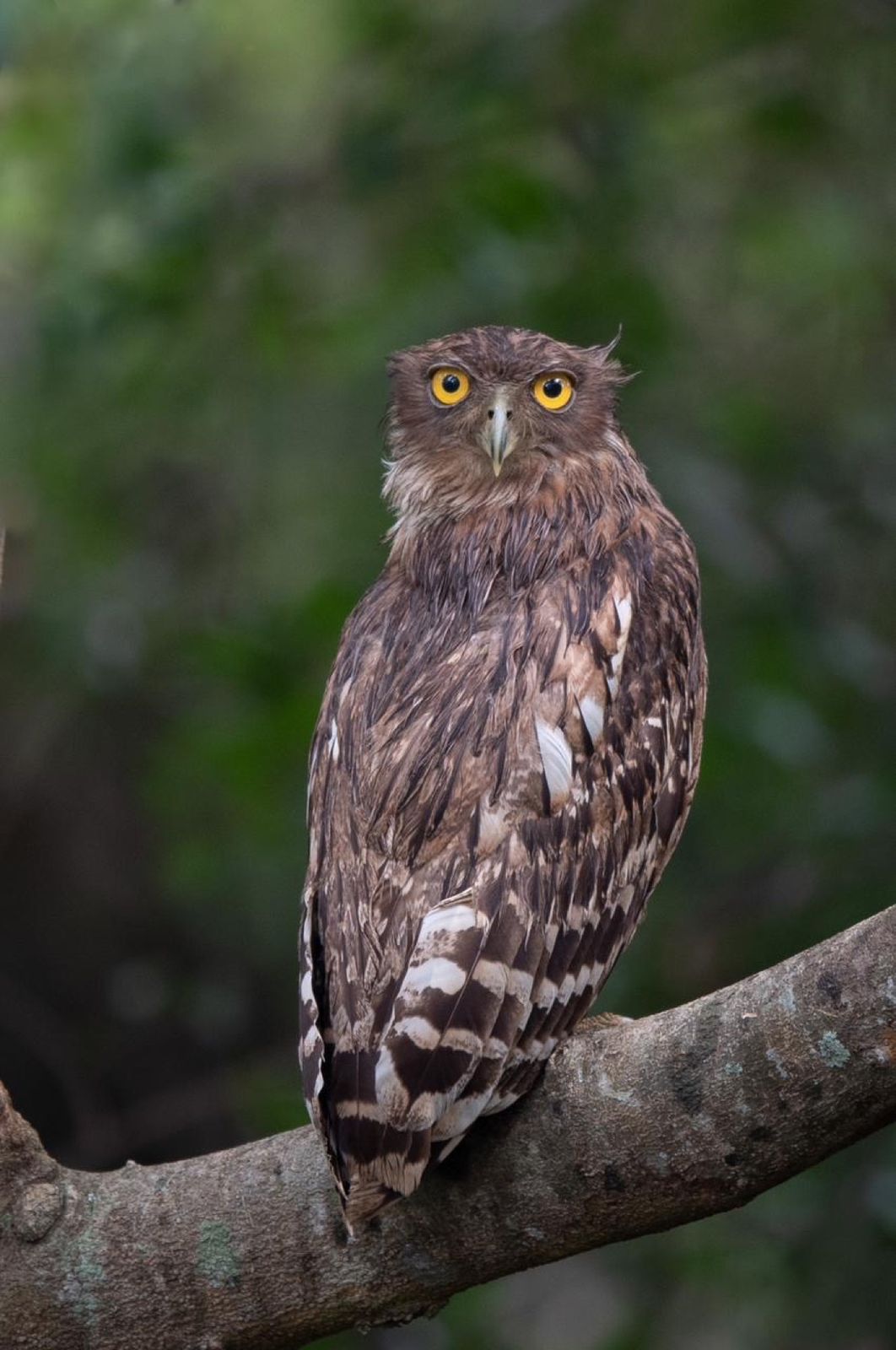
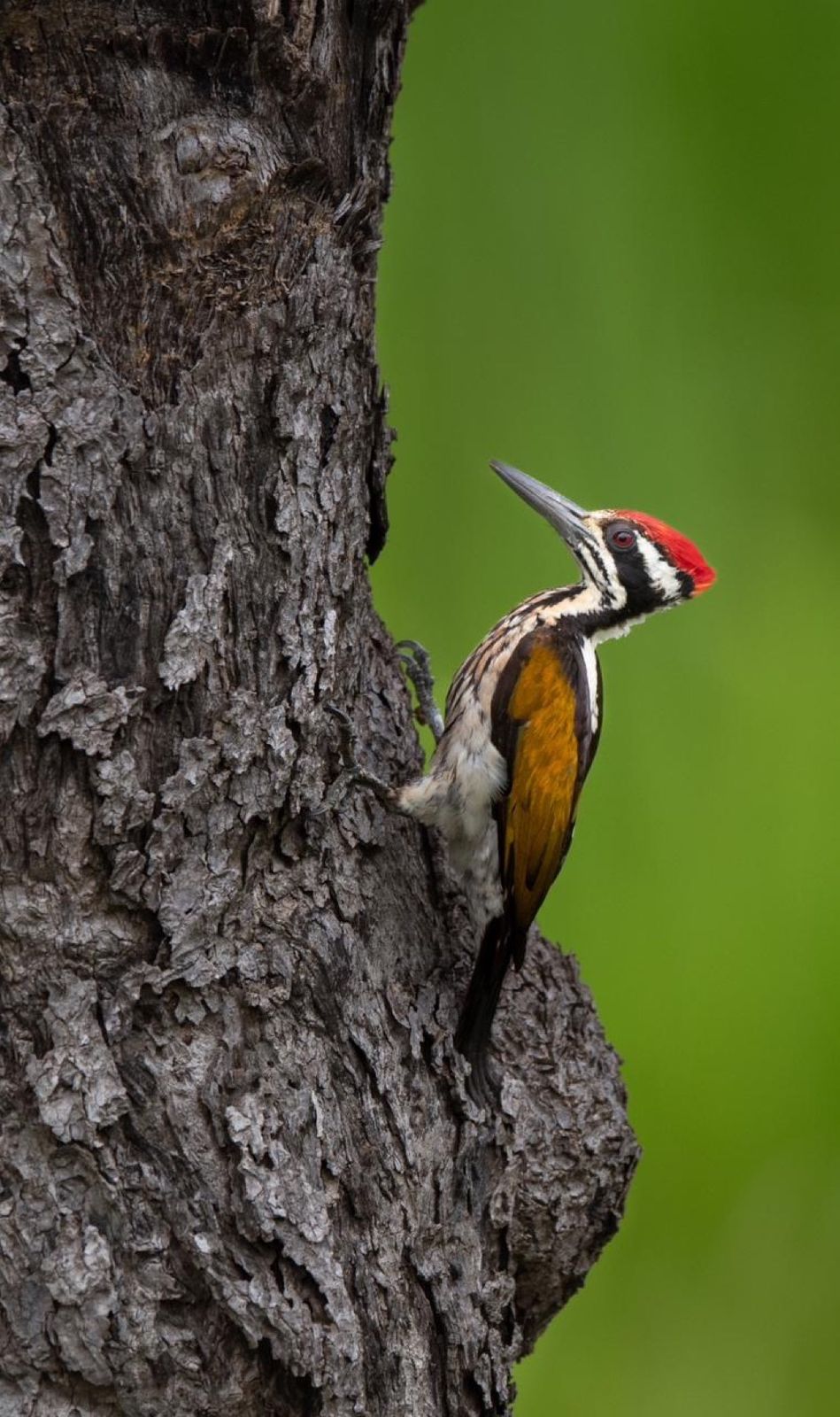
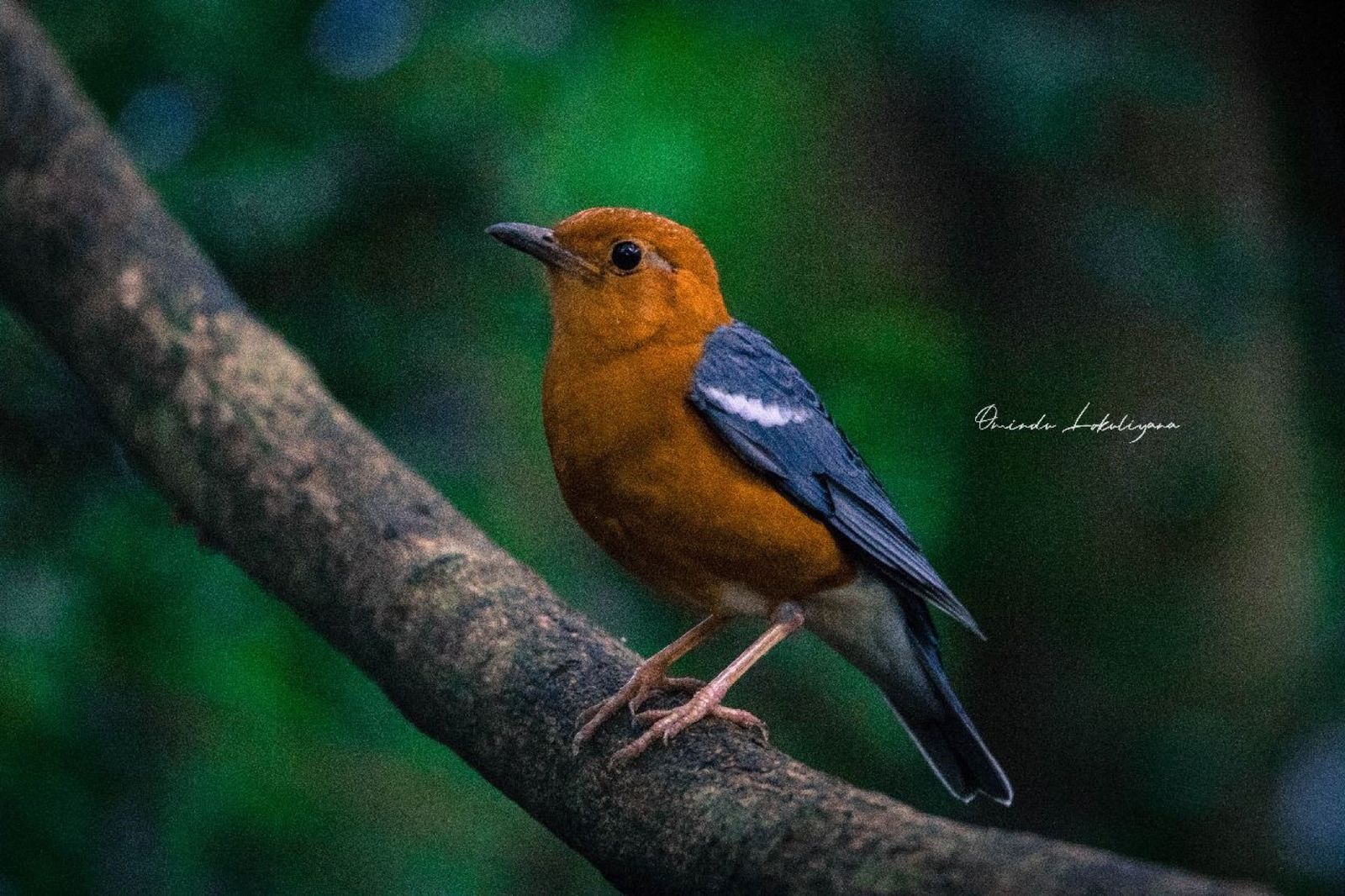
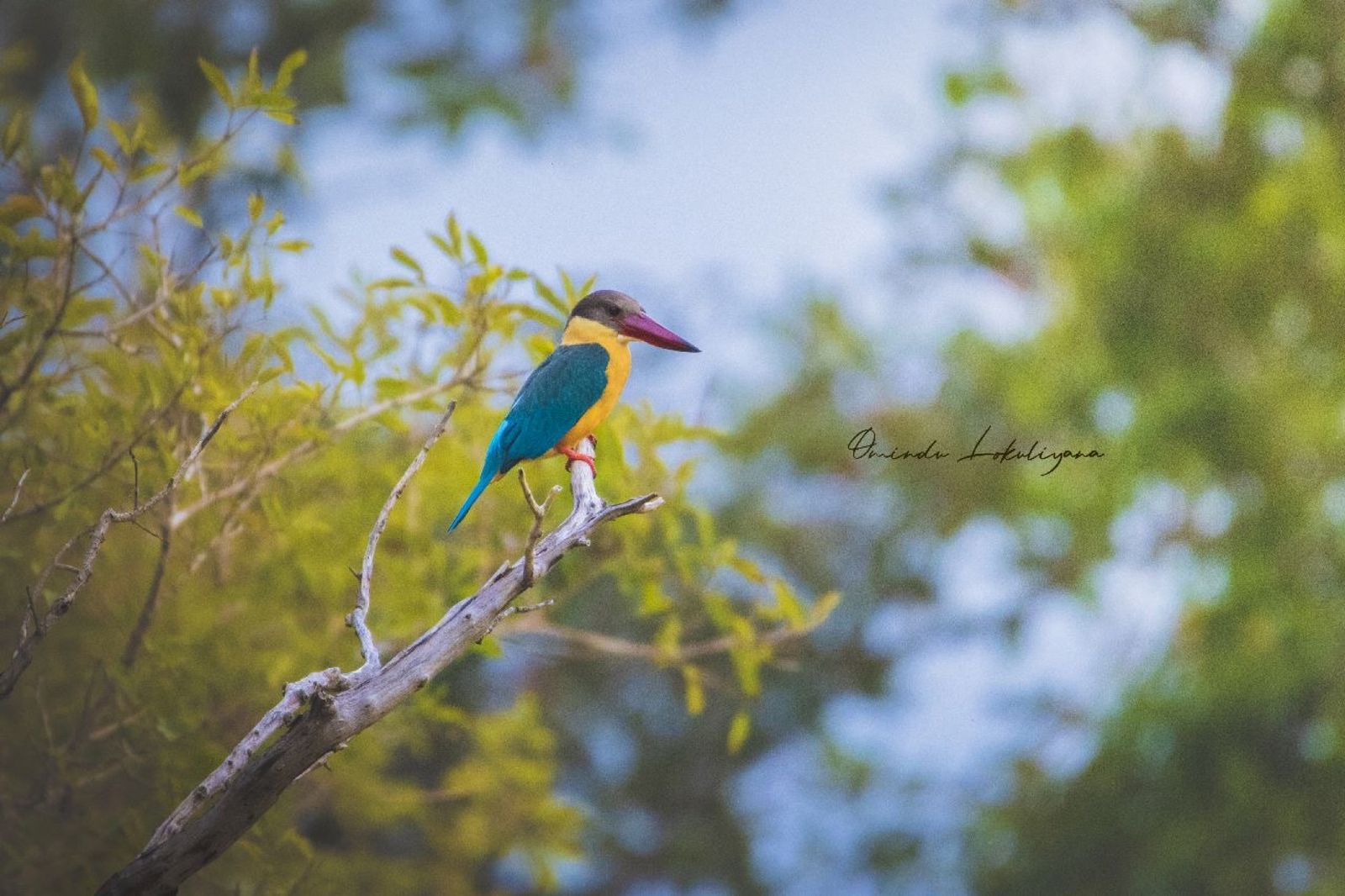
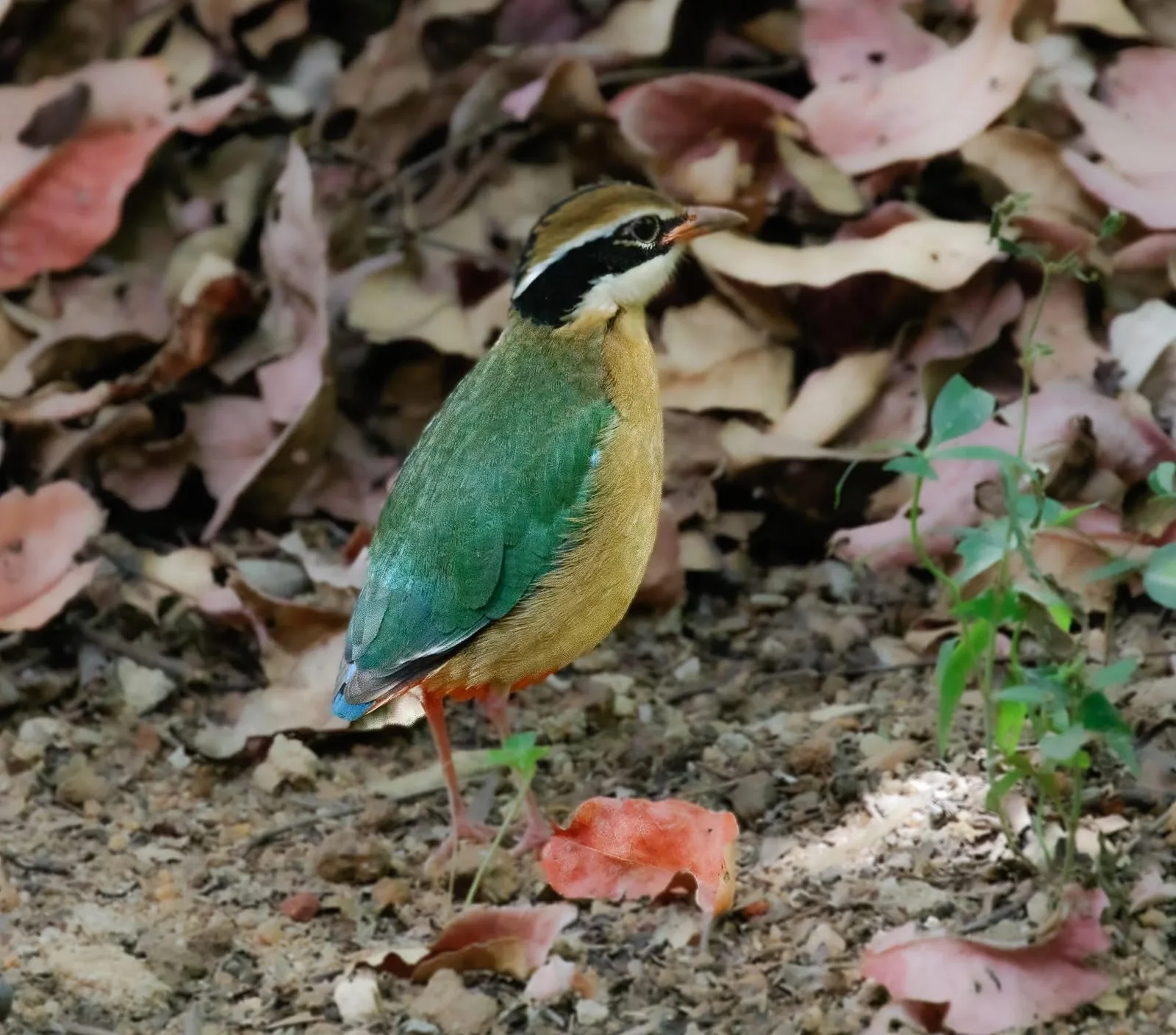
More than 130 species of birds, 50 species of butterflies and 20 species of
mammals have been recorded here, together with over 130 species of trees.
The village lake, irrigation canals, forest paths, paddy fields and quiet
village roads form a natural network along which you may walk, watch birds and
discover the landscape at your own pace.
Much of what lives here reveals itself only when one is
willing to stop, listen and look.
Photo Luxmi Rathore
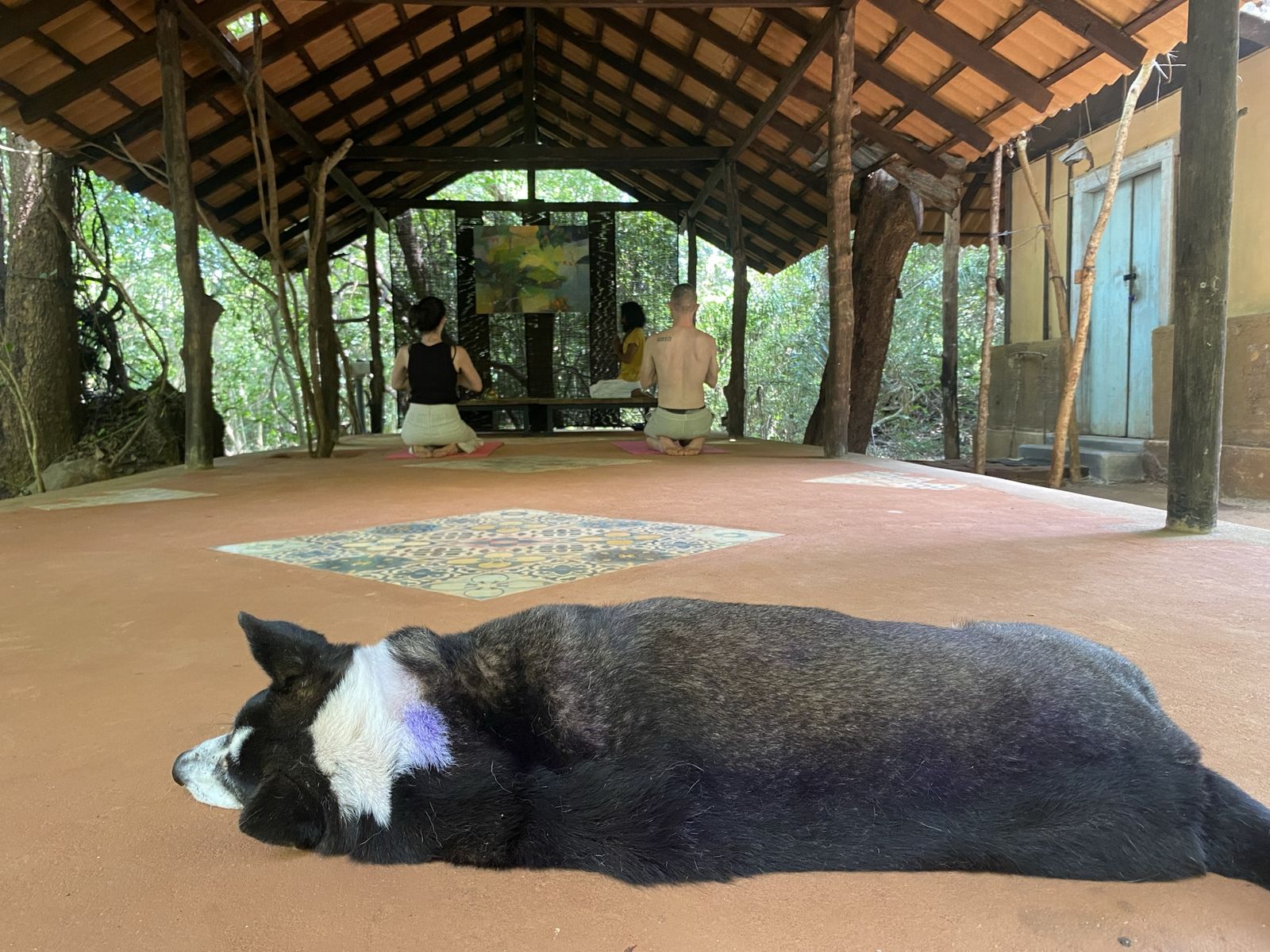
07:00 — on the mat
Yoga and Meditation
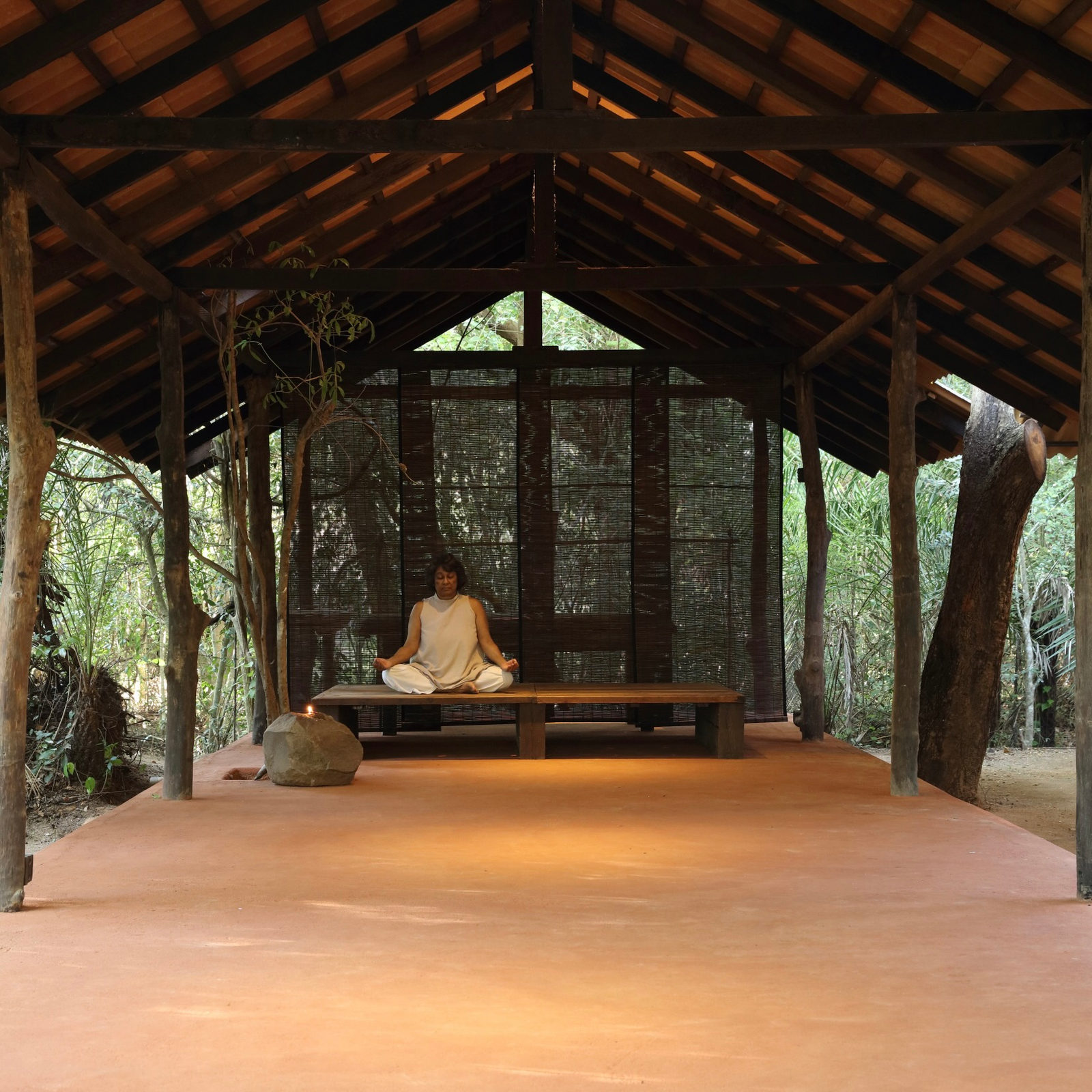
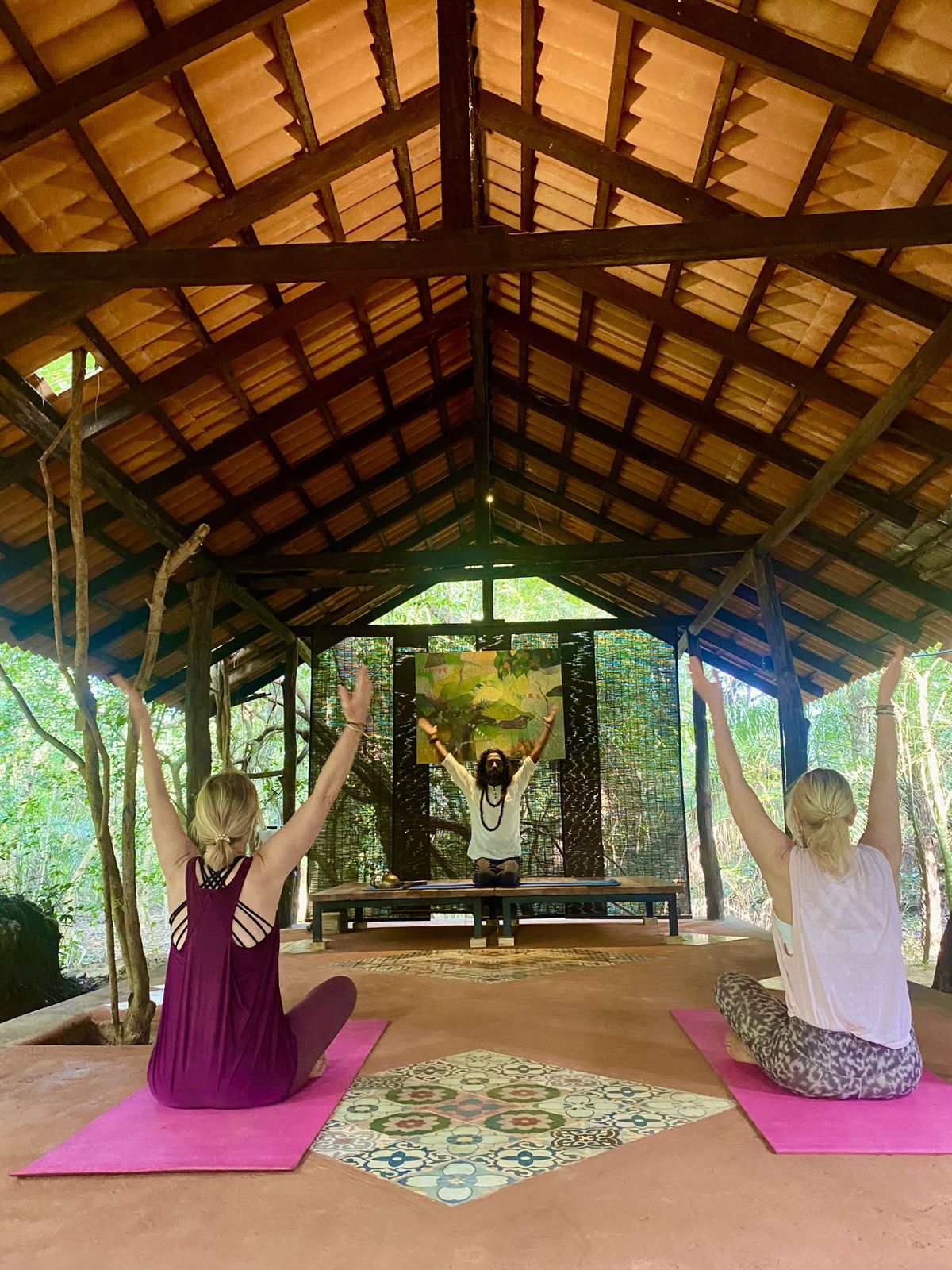
The tranquillity of Galkadawala provides a natural setting for yoga and
meditation, whether at the beginning of the day or as the afternoon gradually
draws to a close.
Sessions can be arranged with Kingsley, our experienced yoga teacher, whose
calm and thoughtful approach reflects his deep commitment to sharing the practice
with others.
Guests are also welcome to practise independently in the yoga pavilion or
elsewhere within the forest.
15:00 — how it began
Beginnings
Galkadawala began with a simple belief: tourism could help
restore a landscape rather than consume it.
In 2006, Maulie de Saram, architect Vijitha Basnayaka and their uncle Hema,
discovered four acres of land beside an ancient village lake. Years of
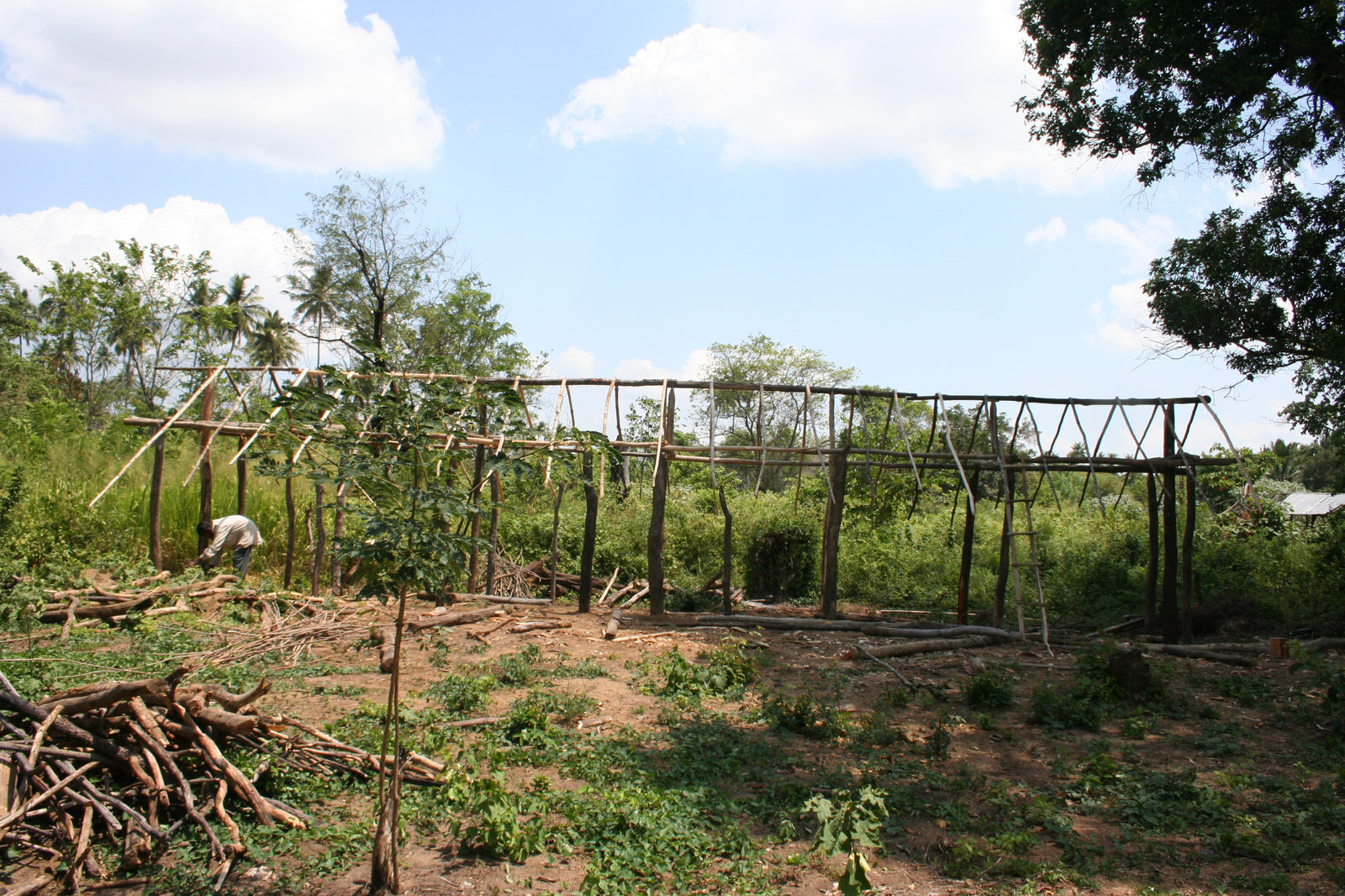
slash-and-burn cultivation had left it severely degraded.
They deliberately chose this damaged terrain rather than a picturesque setting
and began the patient work of allowing it to recover.
The lodge’s design was inspired by the watch-huts once built by Dry Zone
farmers and by Hema’s memories of watching elephants from a platform built high
in a great Kumbuk tree beside the lake.
The vision was not simply to build accommodation. It was to create a place
where architecture, rural life and the natural world could exist together – and
where wildlife would have its rightful place.
Twenty years later, the forest is home to an extraordinary variety of birds,
butterflies, mammals, reptiles, insects and plant life.
Guests now become part of the rhythm of a recovering
landscape, experiencing a deep connection with nature – a simpler way of living.
Where it all began — Galkadawala, 2006Road to GalkadawalaAn elephant watch hut, where farmers watch over their crops at nightRice paddy fields, GalkadawalaHorivila Lake and the Ritigala mountainAs the land dries beneath the sun, the village tank remains a sanctuary, giving life to all who depend on itThe village tank, a place of childhood adventures and a bond with natureA highlight of the day — meeting friends and pets at the village tank for an afternoon bathFishing at Galkadawala lakeWhere it all began — Galkadawala, 2006Road to GalkadawalaAn elephant watch hut, where farmers watch over their crops at nightRice paddy fields, GalkadawalaHorivila Lake and the Ritigala mountainAs the land dries beneath the sun, the village tank remains a sanctuary, giving life to all who depend on itThe village tank, a place of childhood adventures and a bond with natureA highlight of the day — meeting friends and pets at the village tank for an afternoon bathFishing at Galkadawala lake
drag the photographs sideways
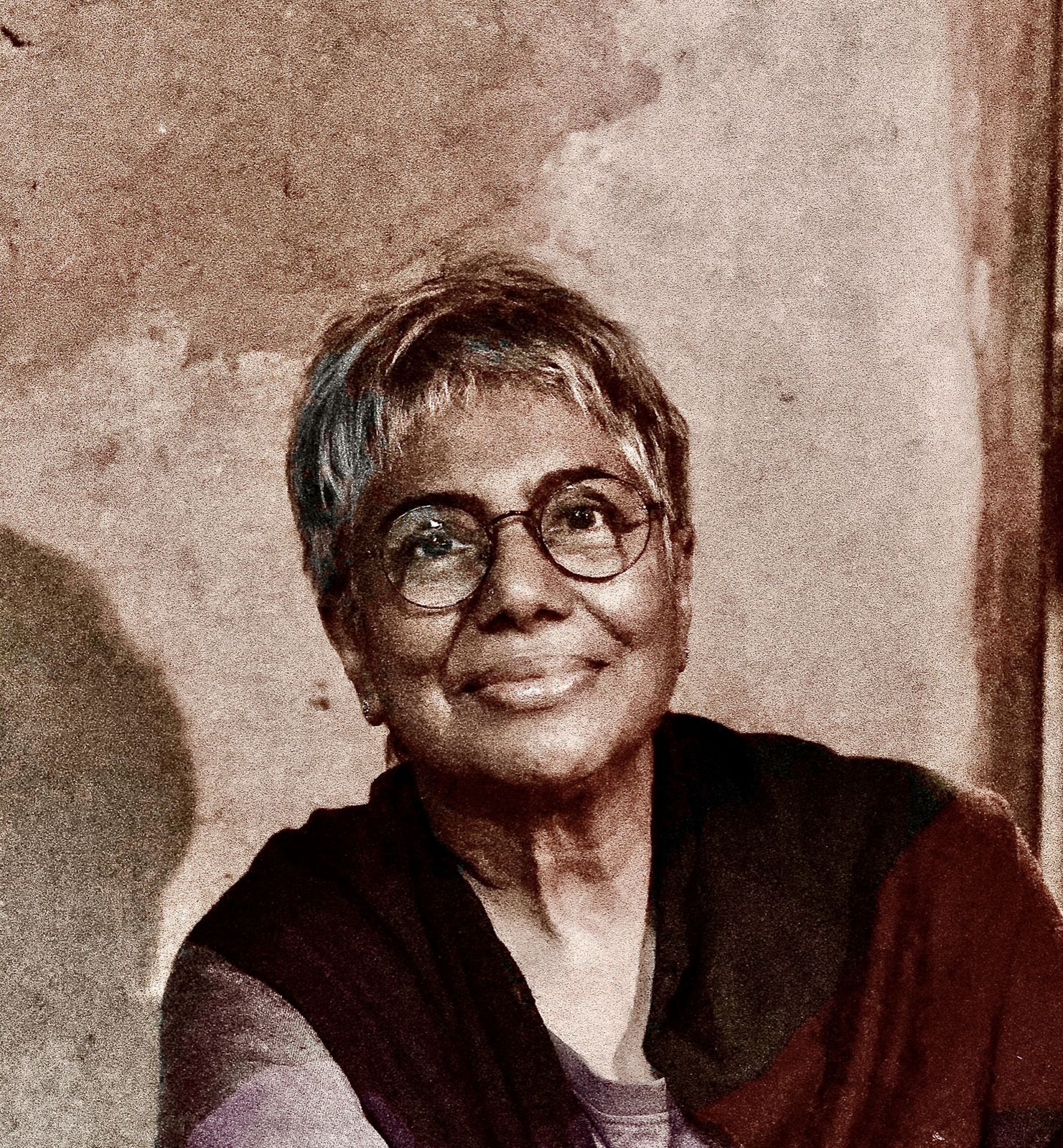
meet maulie
Meet Maulie
In 2006, after 20 years in Sri Lanka’s apparel industry, Maulie de Saram left
the security of her career to pursue a very different life.
She moved to Galkadawala to restore the degraded land and established a small
lodge to sustain the work – and herself.
Maulie continues to live at Galkadawala, observing its changing biodiversity
and sharing the restored landscape with those who come to stay.
For her, Galkadawala is an ongoing journey of restoration,
moderation and learning from nature.
the practical page
Contact and Getting Here
How to get there ▾
By Vehicle
From Colombo:
Via Pasyala – Mirigama – Kurunegala – Dambulla – Habarana – Palugaswewa – Galkadawala.
From the Airport/Negombo:
Via Mirigama – Kurunegala – Dambulla – Habarana – Palugaswewa – Galkadawala.
Allow approximately 3½–4 hours from either Colombo or the Airport/Negombo.
From Habarana roundabout, take the Anuradhapura road towards Palugaswewa.
After 6 km, at the row of shops in Palugaswewa, turn left towards Galkadawala
village. Continue for 4½ km, then turn left onto Wewa Paara, a narrow
earth lane running alongside a waterway …
Continue for another 300 metres until you see the Galkadawala nameboard, with its
elephant standing on the gatepost. You have arrived.
The drive from Habarana takes approximately 10 minutes.
Important: We recommend using Google Maps only once
you reach Habarana. Some alternative routes suggested between Dambulla and Habarana use roads
that are in poor condition.
Airport transfers and transport to and from most major towns and cities can be arranged by
car or van. Rates vary according to the journey.
By Bus
The following bus routes stop at Habarana:
Colombo – Trincomalee: Route No. 49
Colombo – Kaduruwela (Polonnaruwa): Route No. 48
Kandy – Trincomalee: Route No. 45
To and from Trincomalee or Batticaloa, travelling by bus is generally faster than travelling
by train. Approximate travel times to Habarana are:
Trincomalee: 1½ hours
Batticaloa: 2½ hours
Kandy: 2½ hours
From Habarana, take a tuk-tuk to Galkadawala Forest Lodge. The journey takes approximately
10 minutes.
By Train
From Colombo Fort, the Batticaloa/Trincomalee train leaves daily at 6.05 a.m. and arrives
at Palugaswewa Railway Station at approximately 11.00 a.m. Galkadawala is only 3 km away,
and we can arrange a tuk-tuk to meet you if informed in advance.
Alternatively, the Polonnaruwa Intercity leaves Colombo Fort at 3.00 p.m. and arrives at
Habarana Railway Station at approximately 7.30 p.m. Please let us know in advance so that we
can arrange a vehicle to meet you. Tuk-tuks do not normally use the route late in the evening
because of elephant movement.
From Batticaloa/Trincomalee towards Colombo, the train stops at Palugaswewa at approximately
9.30 a.m. daily.
The Polonnaruwa–Colombo Intercity stops at Habarana at approximately 4.50 a.m.
There is no direct train service between Palugaswewa/Habarana and Negombo (Airport) or Kandy.
Galkadawala Forest Lodge is situated beside the Galkadawala
village lake, approximately 10.5 kilometres from Habarana town, in the heart of
Sri Lanka’s Cultural Triangle.
Please contact us for accommodation enquiries, directions,
transport arrangements or help planning your stay.

 then
today